A smart allergic rhinitis care program integrating multidisciplinary care, digital monitoring, personalized treatment, and self-management to improve adherence, symptom control, and quality of life.
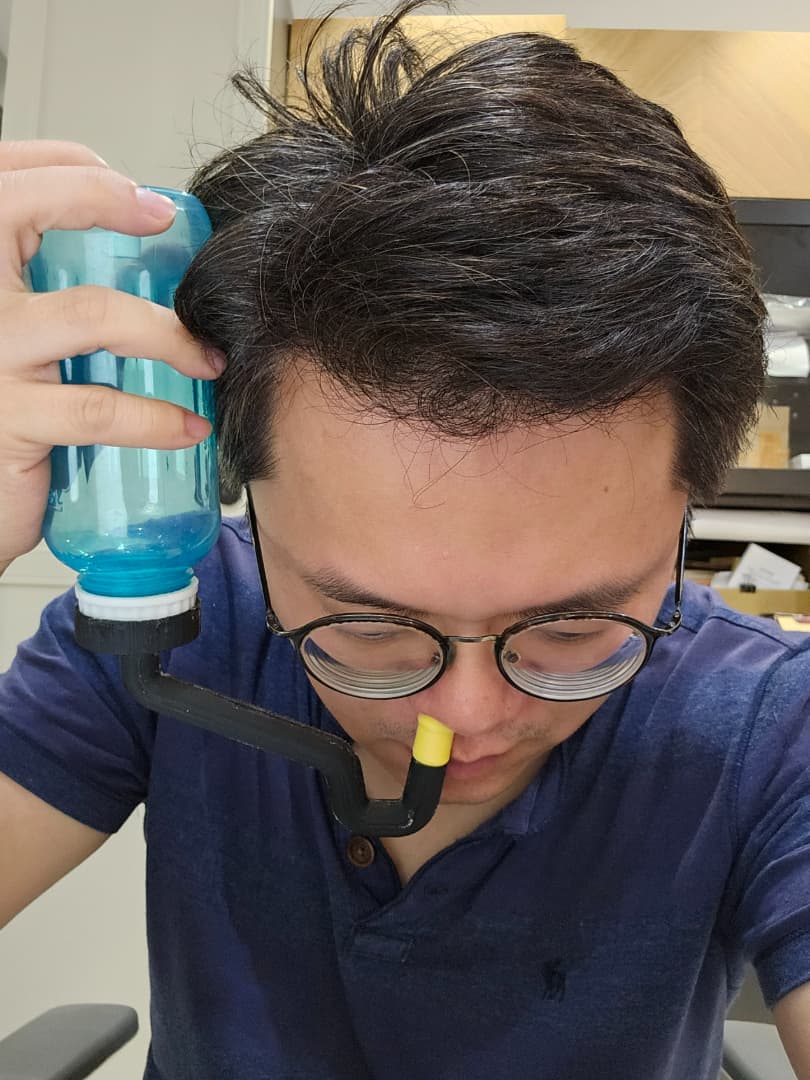
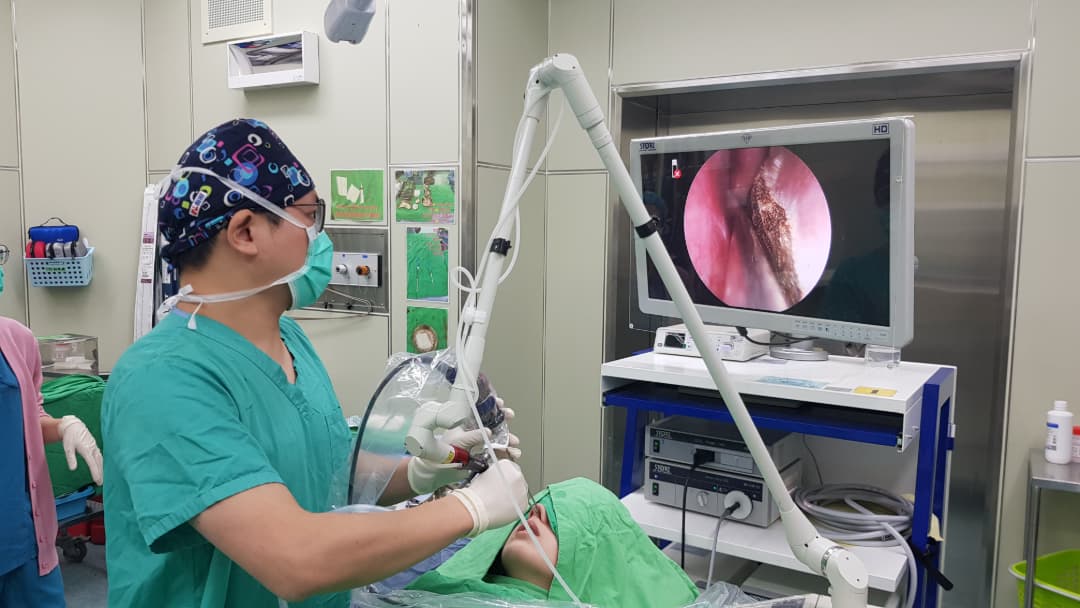
Our team pioneered the "Step-wise Holistic Allergy Management" system to address the critical pain points of low patient compliance in traditional rhinitis treatments and suboptimal outcomes in nasal allergy surgeries. For conservative care, we developed the "Dual Innovation to Enhance Nasal Irrigation Compliance," integrating a patented ergonomic nasal irrigator with an exclusive soothing Chinese herbal tea solution. This approach significantly reduces irrigation discomfort, transforming the treatment into a comfortable experience and markedly improving home care compliance. For severe rhinitis, we innovatively developed "Blue Laser Posterior Nasal Nerve Neurolysis (BPN3)," achieving precise nerve neurolysis with a minimally invasive technique and minimal bleeding. Furthermore, our team is dedicated to establishing standardized surgical protocols and a national educational training system for this procedure to ensure consistent medical quality and widespread accessibility, creating a "Golden Line of Defense" for respiratory care.
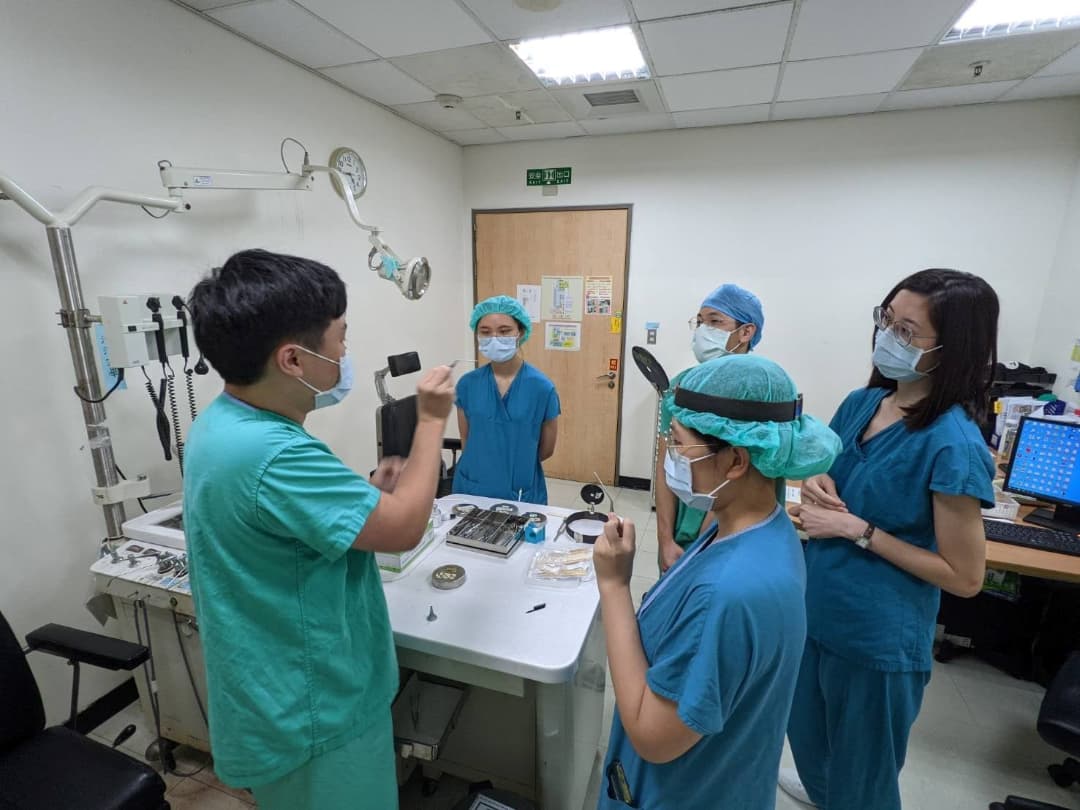
Dual Innovation Compliance Enhancement Scheme: Development of an integrated therapy featuring an ergonomic nasal irrigator and a soothing Chinese herbal tea solution. This addresses the discomfort and choking associated with traditional methods, effectively increasing the execution rate of nasal irrigation. 2. Blue Laser Posterior Nasal Nerve Neurolysis (BPN3): A precise, minimally invasive technique designed to perform targeted ablation and neurolysis of the posterior nasal nerve. 3. Standardized Educational Training System: Establishment of the nation's first standardized operating guidelines and national training platform for blue laser nasal nerve surgery, dedicated to the replication and promotion of advanced medical technologies.
The annual number of outpatient visits for rhinitis-related conditions reaches 7,000. 2. The annual volume of rhinitis-related surgeries reaches 960 cases. 3. The annual volume of BPN3 Blue Laser Posterior Nasal Nerve Neurolysis procedures reaches 200 cases.
BPN3 Blue Laser Posterior Nasal Nerve Neurolysis: Achieved a 92.1% improvement rate for nasal obstruction and a 77.6% improvement rate for allergy symptoms. 2. Integrated Therapy with Ergonomic Nasal Irrigator and Soothing Chinese Herbal Tea Solution: Successfully increased nasal irrigation compliance from 11.2% to 75%. 3.Medication Usage: Through the reminders and tracking of the "Scientific Data-Driven Medication Adherence System," the medication usage rate decreased from 70% to 30%.
Intraoperative blood loss during BPN3 surgery averages less than 5 ml, achieving a near-bloodless procedure. 2. The incidence of major complications is minimal: 0% for dry eye syndrome, 0% for empty nose syndrome, and less than 0.5% for bleeding.
1. Shared Decision Making (SDM) on "Treatment Options for Allergic and Chronic Rhinitis": Overall patient satisfaction improved from 3.0 to 4.5 (out of 5).
2. SDM on "Selecting the Optimal Surgical Method for Allergic and Chronic Hypertrophic Rhinitis": Overall patient satisfaction increased from 3.1 to 4.6.
3. SDM on "Necessity of Concurrent Nasal Allergy Nerve Neurolysis in Addition to Routine Surgery": Overall patient satisfaction improved from 2.9 to 4.4.
Invited to deliver a special lecture and perform a live surgical demonstration of BPN3 Blue Laser Posterior Nasal Nerve Neurolysis at the International Chinese Otorhinolaryngology Symposium hosted by The Chinese University of Hong Kong. 2. Presented a special report on BPN3 Blue Laser Posterior Nasal Nerve Neurolysis at the European Rhinologic Society (ERS) Congress. 3. The integrated therapy featuring the ergonomic nasal irrigator and soothing Chinese herbal tea solution has been granted both Invention and Utility Model Patents in Taiwan.
Reduction of Medical Expenditures: Through effective nasal irrigation and precise surgery, the postoperative usage of anti-allergy medication decreased by 57.1%, significantly reducing the financial burden on the National Health Insurance system. 2.Establishment of Technical Benchmarks: By establishing national standards for BPN3 surgery, we shorten the learning curve for novice surgeons and elevate the overall safety profile of rhinology procedures. 3.Promotion of Preventive Medicine: Shifting the paradigm of rhinitis treatment from "passive medication" to "proactive maintenance," thereby establishing a new public concept for respiratory health.