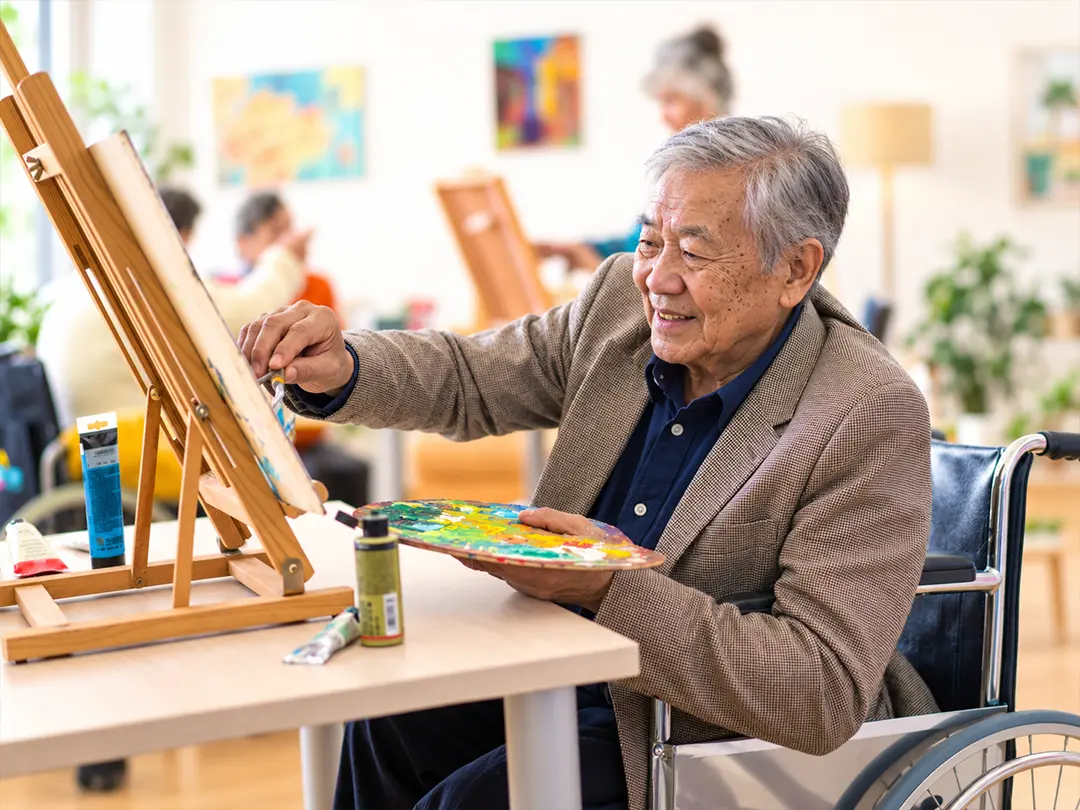
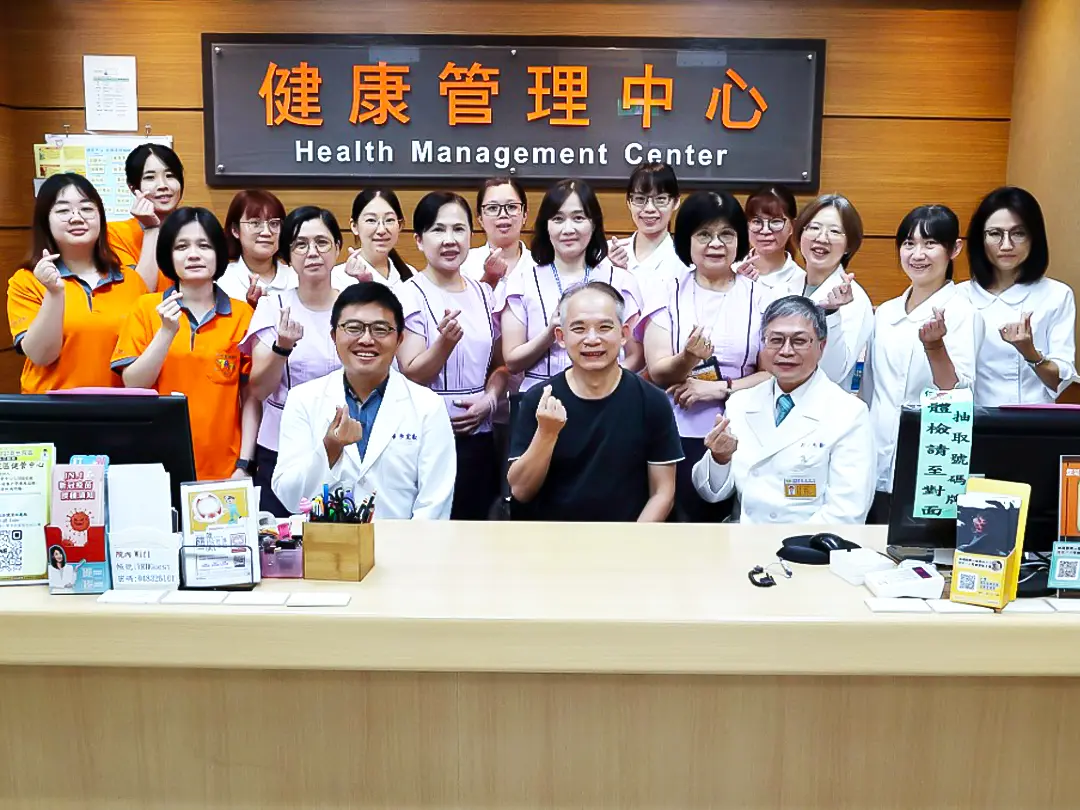
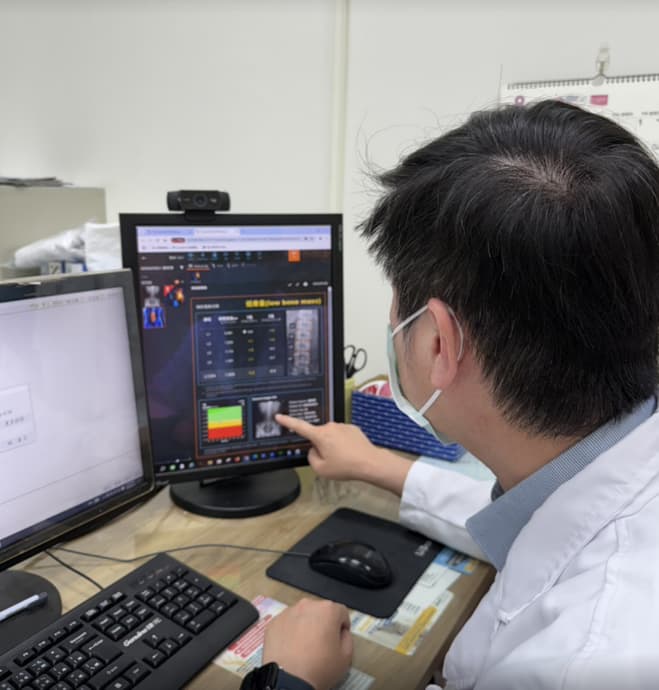
Generally healthy or suboptimally healthy older adults
Frail older adults with functional decline
Older adults with mild functional impairment
In response to Taiwan’s transition into a super-aged society, YuanRung Medical System integrates medical expertise with cultural arts to develop an art-based therapeutic prescription model for non-pharmacological health promotion. Guided by the core principles of people-centered care, culture-rooted practice, and art as a bridge, the program incorporates eight art therapy modules, including music and reminiscence, visual arts, storytelling, and hands-on crafts, to establish a care framework that is modular, standardized, and measurable.
The primary target population consists of adults aged 65 and older, including healthy older adults, frail individuals, those with mild functional impairment, and persons with early-stage dementia. Family caregivers are also included as extended participants. Pre- and post-intervention assessments are conducted using the ICOPE functional assessment and the Warwick–Edinburgh Mental Well-being Scale (WEMWBS), combined with individualized art-based prescriptions and interdisciplinary team collaboration. The program is implemented through community Tier-C care sites and mobile outreach services in rural and underserved areas.
Development of eight art therapy modules using a modular and standardized design
Implementation of multi-dimensional outcome evaluation using ICOPE and WEMWBS
Formulation of individualized art-based prescriptions based on functional and psychological
status
Integration of interdisciplinary collaboration across medical, artistic, and social welfare
sectors
Establishment of non-verbal expression mechanisms to enhance engagement and interaction
quality among older adults
Implemented 8 types of arts-based therapeutic program modules.
A total of 87 program sessions were delivered.
More than 420 participant attendances were recorded.
Average attendance rate: 88%
Program completion rate: 83%
Overall satisfaction: 94.4%
Psychological score improvement: +3.44 points
Functional indicators improved: 76% of participants
Zero major adverse events during program implementation
Course safety received a high level of positive feedback
Overall satisfaction among service recipients: 94.4%
High satisfaction among family caregivers
Course content approval rate exceeded 90%
High satisfaction among staff members
International presentation: Asia-Pacific Social Innovation Summit
International benchmarking: Indicators aligned with World Health Organization standards
SDGs alignment: Contributing to five United Nations Sustainable Development Goals objectives
Establishment of an institutionalized non-pharmacological art therapy model
Addressing intervention gaps in long-term care and dementia care policies
Enhancement of psychological well-being and social participation among older adults
Delaying functional decline and supporting independent living
Improving accessibility of community-based care services
Development of a replicable and scalable care model
Promotion of cross-sector integration among healthcare, cultural, and social welfare systems