Clinical cases where dental technicians and dentists collaboratively design and confirm aesthetic full-mouth reconstruction plans, including prosthetics and implant surgery
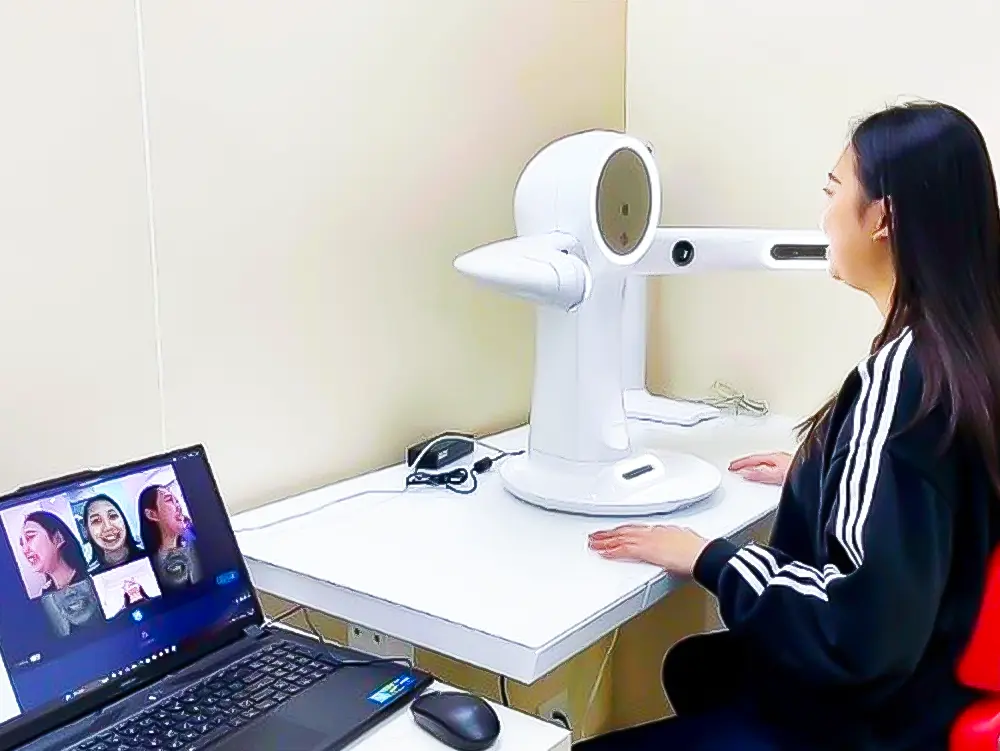
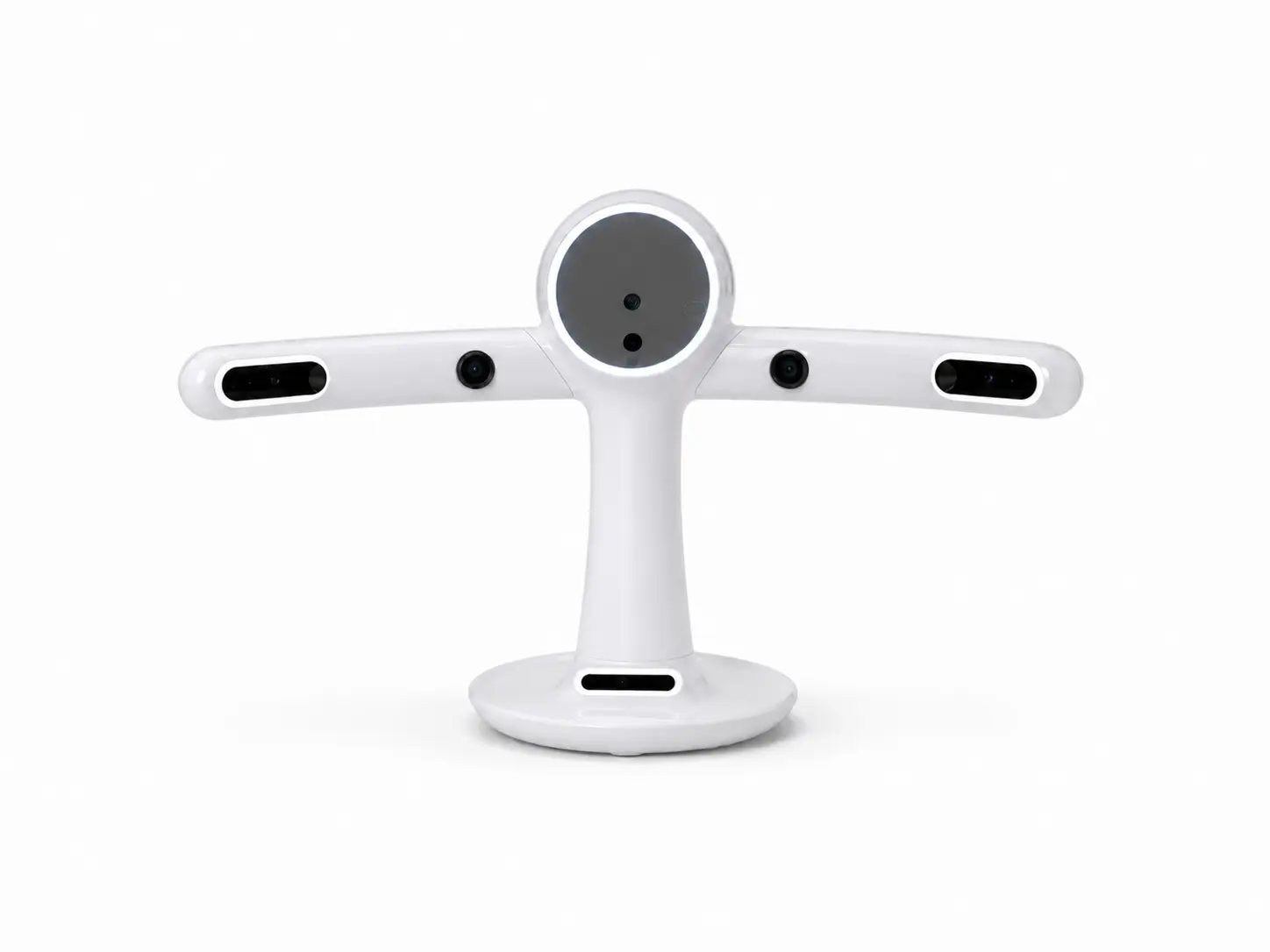
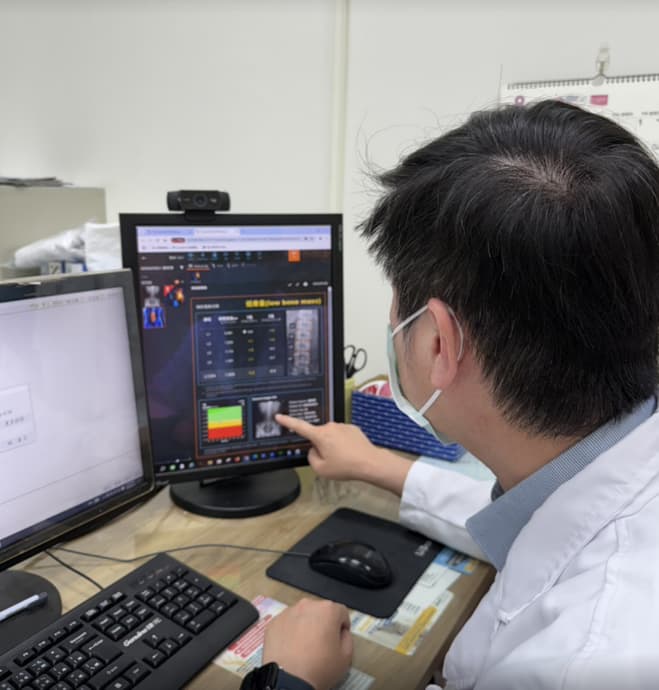
The Yuan Sheng Dental Department has actively implemented digital workflows to provide patients with fast, precise, and high-quality treatment. To address common discrepancies between patient expectations and actual results regarding appearance or color, we introduced the RayFace 200 3D Face Scanner. This technology simulates the appearance of prosthetics and their effects under different facial expressions at the beginning of treatment, allowing patients to participate intuitively in the planning process. This facilitates Shared Decision-Making (SDM) and ensures the results meet patient needs. Concurrently, our professional team has integrated the X-Guide 3D Dynamic Navigation System with face-scanning technology, connecting previously isolated digital steps into a seamless treatment chain. From implant planning to prosthetic design, the entire process is precisely simulated and rapidly executed, significantly enhancing predictability and efficiency. Through this innovative digital integration, we aim to not only elevate medical quality but also foster higher patient satisfaction and trust.
Visualize the Outcome Before Treatment
Unifying the Team, Engaging the Patient
Elevating Treatment Quality
Since the establishment of the Dental Department, we have aimed for a fully digital dental workflow. From the introduction and deployment of the RayFace scanner in December 2023 to July 2025 (a 20-month period), a total of 32 patients underwent All-on-X full-mouth reconstruction, and 278 patients received anterior aesthetic treatments. Statistical data showed a steady increase in the utilization of face scanning for prosthetics. This technology has facilitated direct clinical discussions between clinicians and patients regarding anterior tooth morphology, significantly enhancing patient satisfaction with anterior aesthetics, accelerating communication with dental technicians, and accurately fulfilling the requirements of both doctors and patients—effectively turning each prosthetic device into a perfect piece of art.
Patient Satisfaction Analysis: Compared to the previous year, this year showed significant improvements in preoperative assessment and communication, prosthetic morphology quality, and innovative dental treatment experiences. Satisfaction rates generally exceeded 90%, demonstrating continuous progress in service quality and high patient affirmation of innovative treatments.
Face-Scanning Utilization Rate: Since its introduction, the utilization rate of face scanning reached approximately 65% by July 2025 and has continued to rise.
Patient Data Analysis: Following the introduction of face-scanning technology, the discrepancy between pre-treatment planning and the final completed prosthetic result was 0.1\text{ mm} \pm 0.03.
Digital Integration: In the current research and clinical landscape, this technology serves as the "final piece of the puzzle" for dental digitalization, increasing the precision of pre-treatment discussions, enhancing patient engagement, and improving the quality of prosthetic morphology.
Equipment Level: Regular Training for Face Scanner Operation: Vendor-led training and lectures are provided to guide standard operating procedures and troubleshooting. Dedicated scanning personnel perform the operations to minimize inter-operator errors. Regular Instrument Calibration: The equipment undergoes routine calibration every week, or absolute recalibration whenever a significant relocation occurs, before it can be used. Design Level:** Teeth Arrangement Design: After the dental technician designs the teeth arrangement, they collaborate with the prosthodontist on digital models to refine the morphology and adjust the occlusion. Pre- and Post-operative Comparison: The initial teeth arrangement and face-scanning files are compared against the post-operative diagnostic try-in files to evaluate discrepancies between the design and actual placement, allowing for precise prosthetic adjustments or direct finalization of the definitive prosthesis. Clinical Level: Temporary Prosthetic Try-in: Diagnostic trial fittings of temporary prosthetics check marginal fit and proximal contacts, allowing patients to practice occluding while identifying any needed morphological modifications.
The combined rate of "Satisfied" and "Very Satisfied" remained above 85% across all evaluation categories. Pre-treatment Evaluation and Communication: Very Satisfied 37.5%, Satisfied 62.5% Comfort with Facial Scanning: Very Satisfied 37.5%, Satisfied 62.5% Satisfaction with Prosthesis Appearance: Very Satisfied 31.25%, Satisfied 56.25%, Neutral 12.5% Improvement in Chewing Function: Very Satisfied 31.25%, Satisfied 50%, Neutral 6.25%, N/A 12.5% Overall Experience with Innovative Dental Technology: Very Satisfied 37.5%, Satisfied 62.5%
2023-2024 Nobel Biocare Full-Mouth Immediate Restoration Certification
Visits from International Delegations from Mongolia and Vietnam Delegations from Mongolia and Vietnam visited the hospital, where the dental digital dynamic navigation implant process was introduced, promoting international exchange and collaboration.
The Final Piece of the Digital Workflow Enabling More Convenient International Dental Care Enhancing Prosthetic Esthetics Improving the Efficiency of Dentist–Patient Communication Advancing the Digital Prosthetic Workflow Broad Future Applications: Orthodontics, Orthognathic Surgery, Anterior Esthetic Procedures, and More