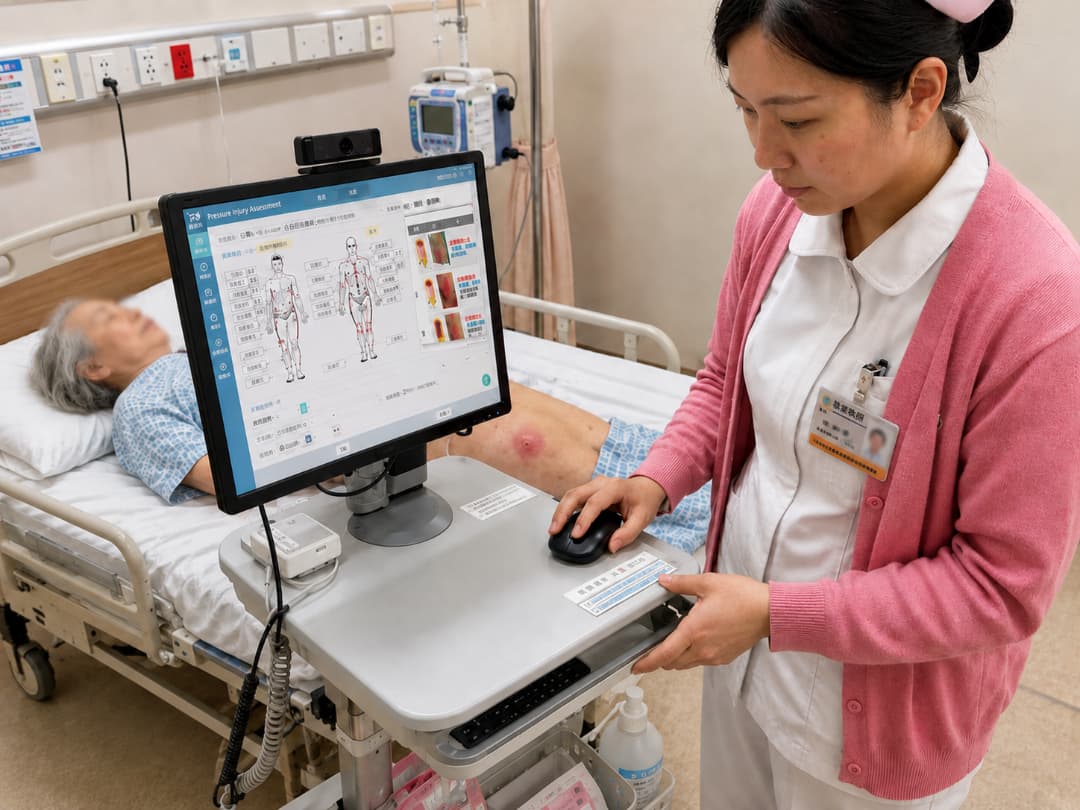
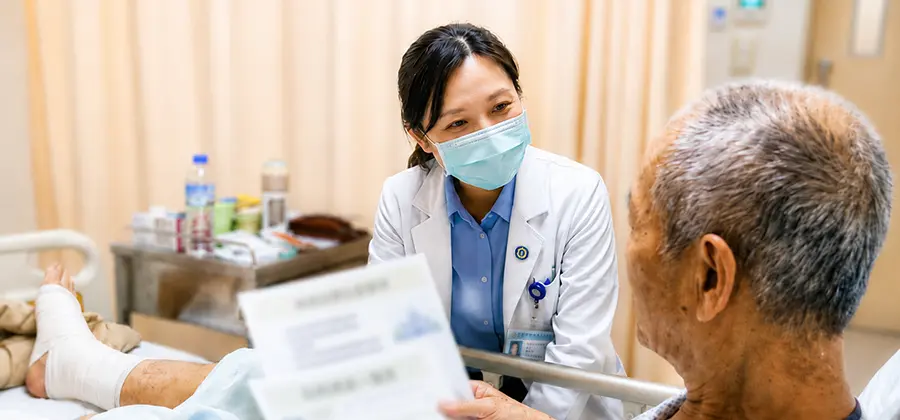
Patients at high risk of pressure injury (PI).
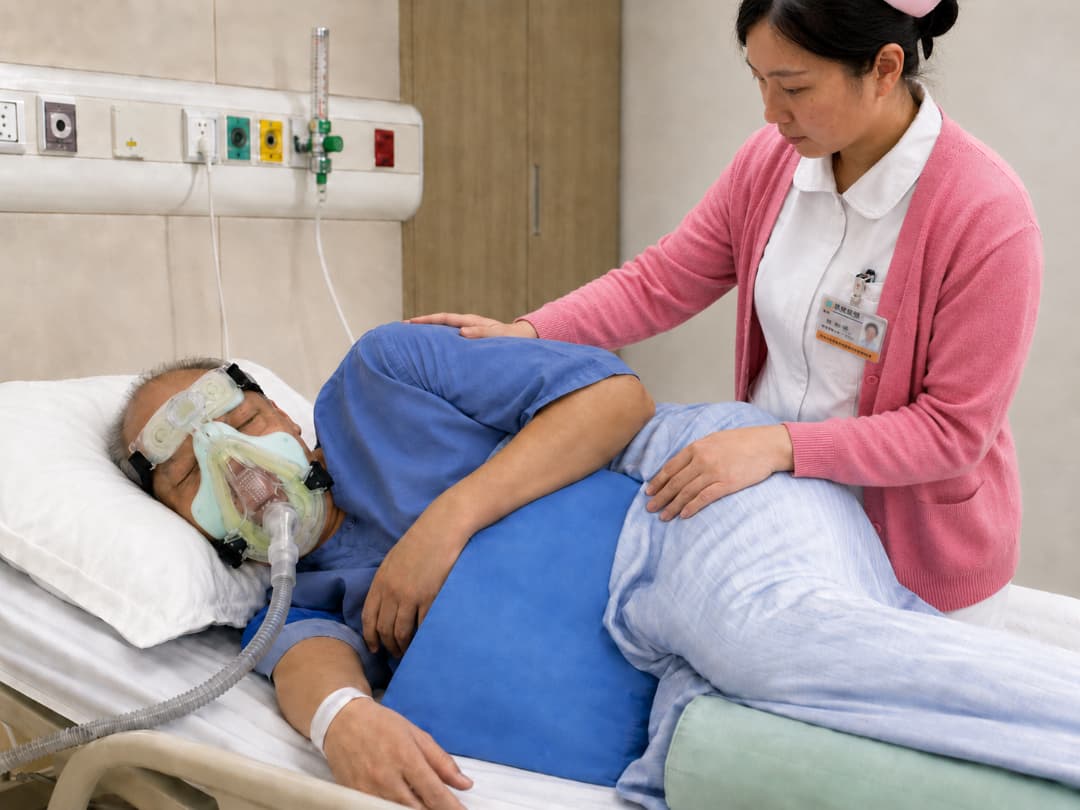
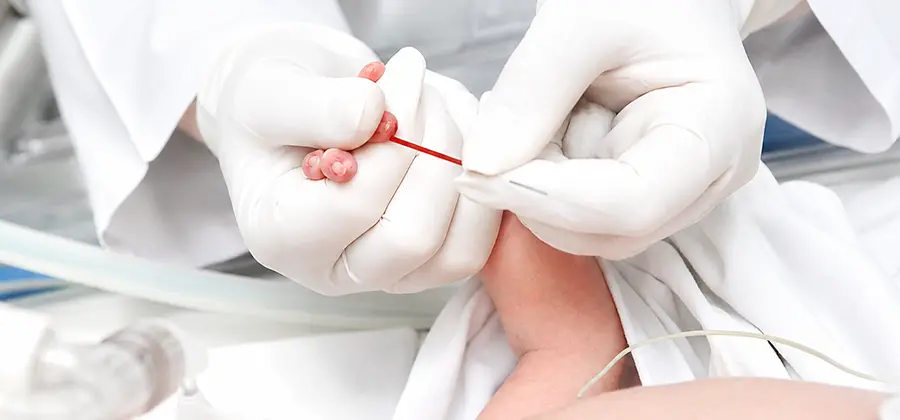
High-risk patients for pressure injuries caused by medical devices.
Patients in intensive care units, operating rooms, and Long-term bedridden.
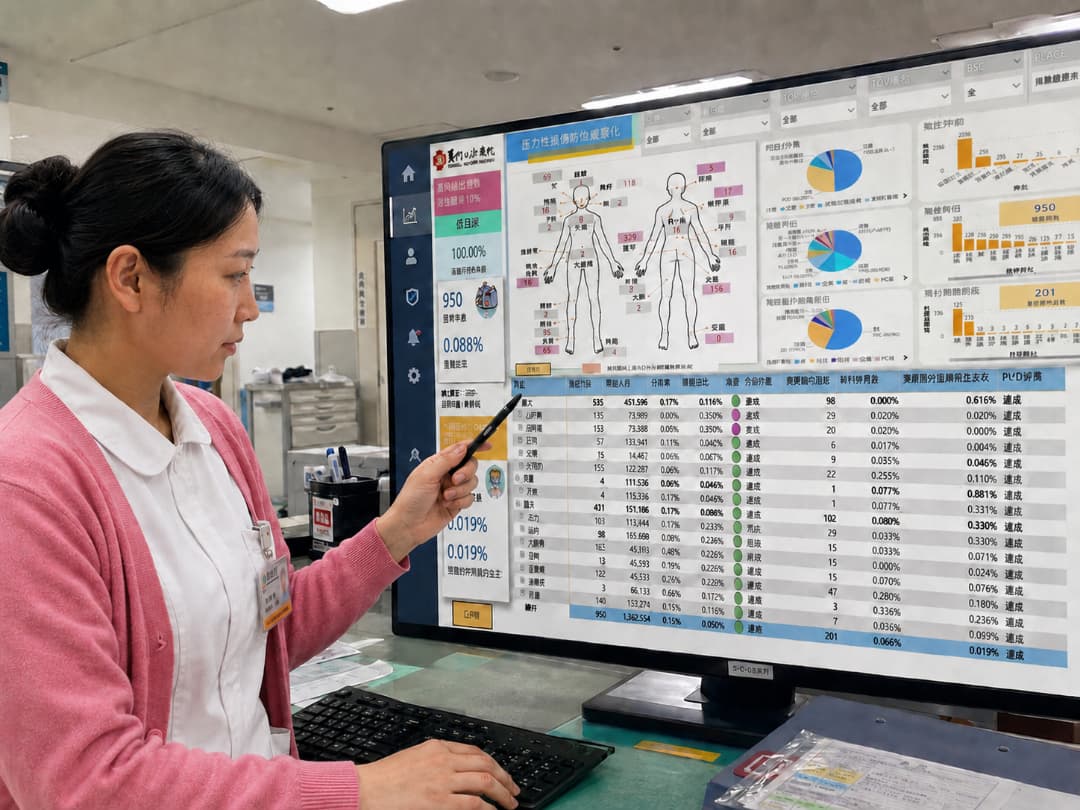
Our team has established an intelligent patient-oriented pressure injury care system, which integrate an interdisciplinary team of doctors, nurses, and dietitians to develop an evidence-based care method. We developed a Cloud-Based Pressure Injury Clinical Decision Support System, utilizing Power BI dashboards to visualize distribution of high-risk patients and pressure injury events across the hospital. This intelligent data analytics approach significantly reduces manual statistical workload and supports real-time clinical decision-making. In terms of protective hardware, the team has reached outstanding innovation by developing pressure-relief devices such as the NIPV Ventilator Protective Pad, which has obtained multiple international patents and certifications, effectively enhancing the prevention of medical device-related pressure injuries. Furthermore, to address the needs of diverse users, we established a LINE chatbot and multilingual education materials, extending pressure injury prevention knowledge from the hospital to home care settings. Which have led to a significant reduction in both general pressure injuries and medical device-related pressure injuries, comprehensively safeguarding patient skin integrity.
Intelligent Cloud-Based Management: Establish Power BI visual dashboards to automatically monitor key indicators and analyze pressure injury hotspots.
Patent-Driven Innovation: Develope NIPV protective pads with multiple international patents, obtaining medical device certification and achieving widespread clinical adoption.
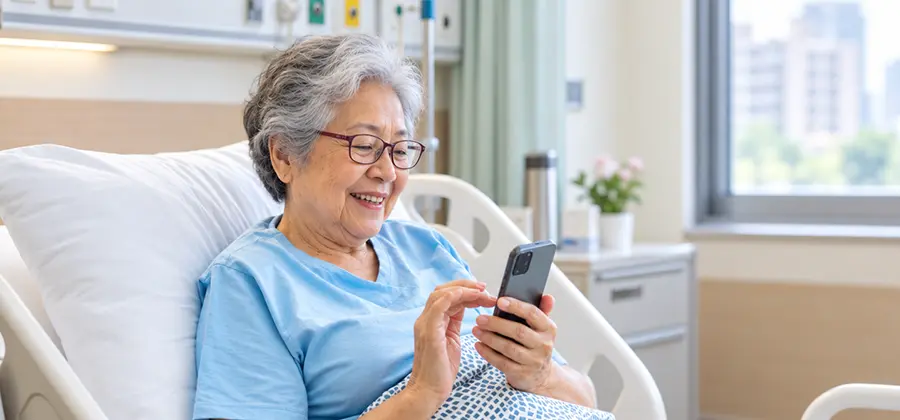
Digital Health Care Education: Provide a LINE chatbot with multilingual education materials to help families overcome barriers in caregiving.
Real-Time Alarm: The system automatically flags high-risk cases in handover lists, ensuring the care plans are fully implement within 8 hours.
Delivered over 78,000 inpatient nursing services in 2024.
Provides 24-hour comprehensive dynamic skin integrity assessment for all inpatients.
Pressure injury incidence decreased to 0.18% in medical wards, and medical device–related pressure injuries in ICUs reduces to 0.15%.
Pressure injury care education was provided to 100% of patients, and nursing documentation completeness reaching 99.7%.
Since 2023, the intelligent audits and visual dashboards was implement accross hospital ,we reduced statistical workload from 77 hours to 5 minutes, manpower from 49 staff to 1, while also lowering the carbon footprint.
The incidence of pressure injuries in general wards and pressure injuries from medical equipment were lower than other medical peers, which is 0.10% and 0.03% respectively.
For high-risk cases, the nursing plan was initiated within 8 hours with a 100% implementation rate.
Pressure injury assessment accuracy reaches 99.9% under Barden scale, accurately identifying high-risk patients for immediate intervention.
High Patient Satisfaction: Based on 54,314 samples (2022–2025), overall satisfaction climbed to 98.5%.
Excellence in Care & Education: Satisfaction with nursing expertise and discharge care instructions both reached 98.6%.
Record-Breaking Commendations: Formal patient commendations for the Nursing Department peaked at 688 cases in 2024.
Perfect Educational Record: Pressure injury nursing courses achieved 100% satisfaction and have maintained a zero-negative-feedback record for ten consecutive years.
Pressure Injury Prevention: 11 papers
Patient Safety & Fall Prevention: 10 papers
Nursing Quality & Management: 7 papers
Smart Healthcare & IT Applications: 8 papers
Transitional & Chronic Care: 4 papers
Occupational Health & Safety: 2 papers
Indicator Optimization: Significantly reduced general and MDRPI rates, ensuring superior skin integrity.
Standardized Export: Established intelligent care protocols and promoted the application of patented pressure-relieving devices.
Care Empowerment: Supported immigrants and home caregivers via multilingual materials and Line chatbots.
Green Healthcare: Implemented paperless cloud monitoring, saving 310,000+ sheets annually for environmental sustainability.
Administrative Relief: Automated alerts drastically reduced manual workload, allowing nurses to focus on direct patient care.