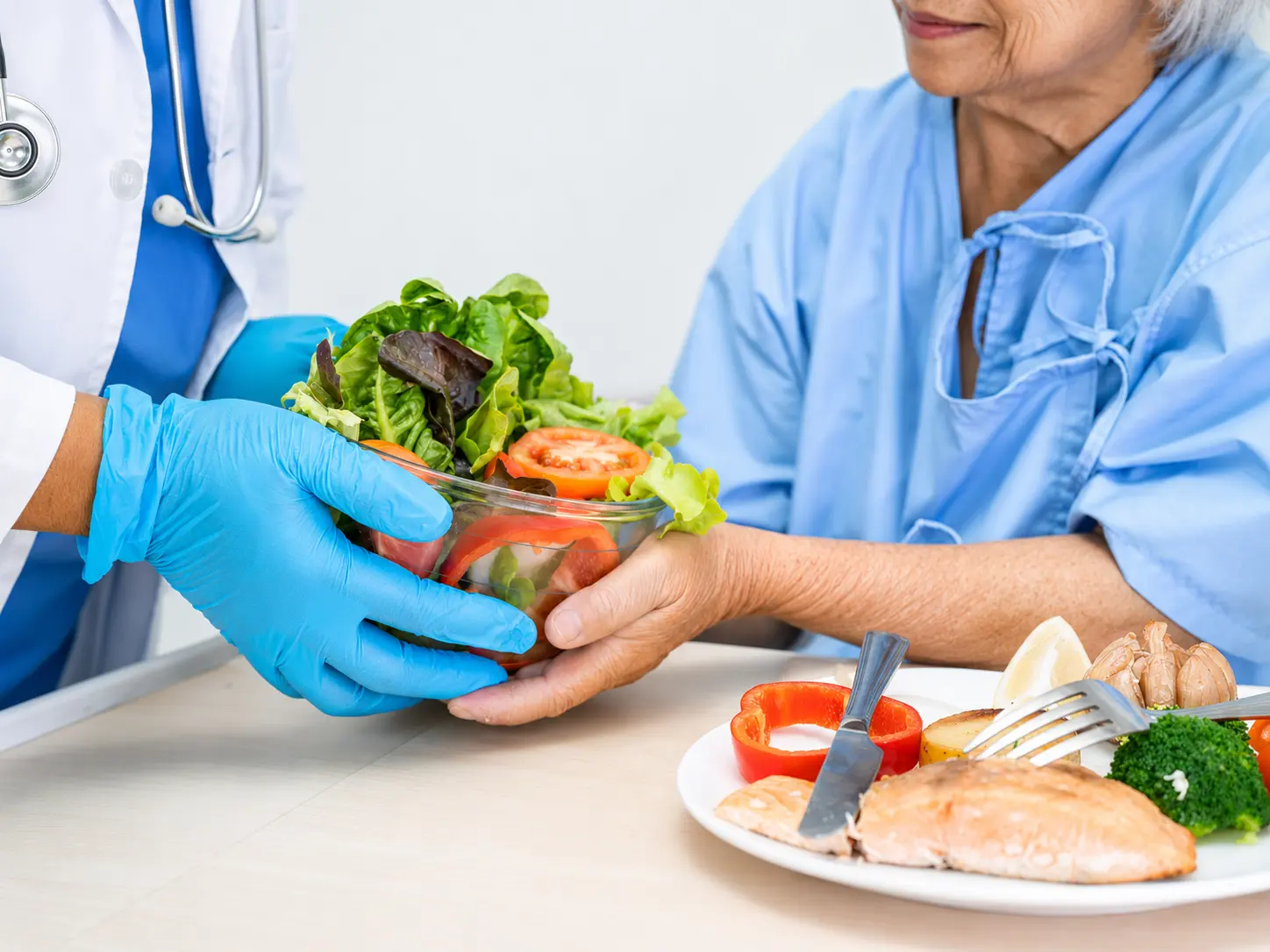
Inpatient cancer patients
Patients with specific cancers (upper gastrointestinal cancer, head and neck cancer, and esophageal cancer)
Outpatient chemotherapy patients
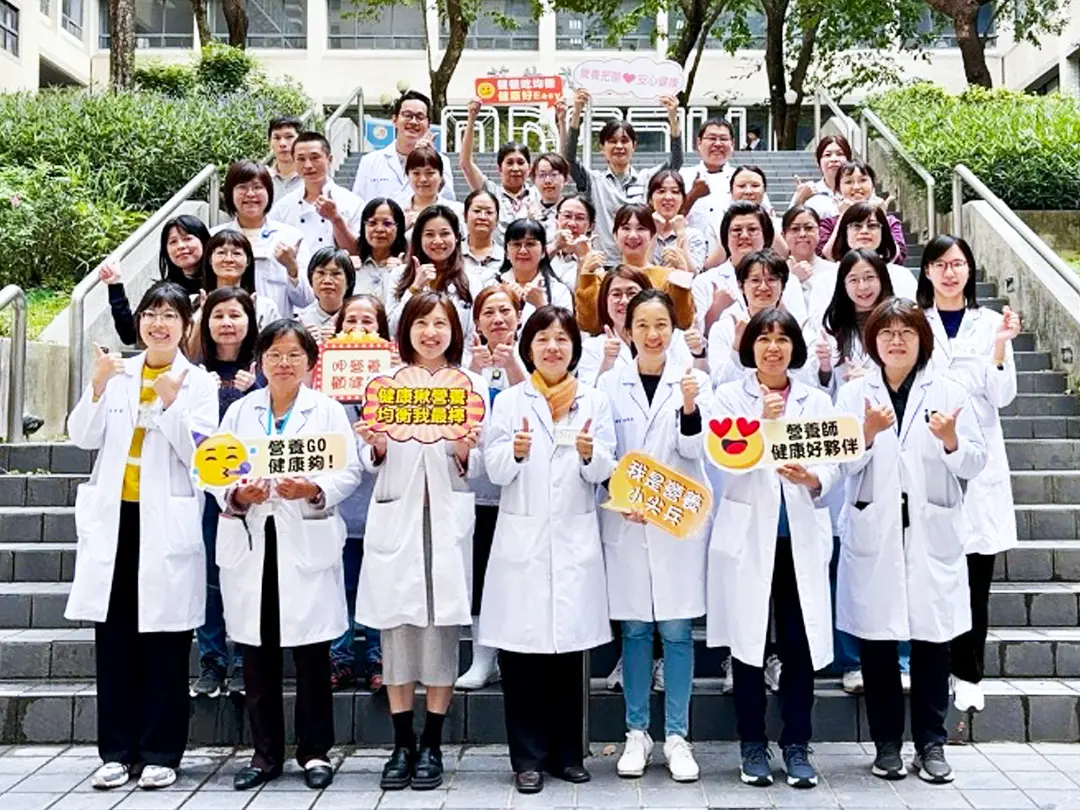
One of only two National University Medical College-Affiliated Hospitals (Medical Centers) in Taiwan
Southern Operations Center of the National Disaster Medical Team (NDMT)
Undertakes "Prevention and Delay of Disability" programs commissioned by the Health Promotion Administration (HPA) and actively participates in public affairs
The first public medical center in Taiwan to obtain HACCP sanitation accreditation.
Hospital-wide nutritional screening (MUST): Automatically displays and flags MUST scores
Targeted screening for three specific cancer types: System automatically flags cancer categories and generates filterable lists
Refeeding Syndrome (RFS) screening: Color-coded system to visually differentiate risk levels
Provides appropriate nutritional recommendations based on evidence-based guidelines
Offers diversified therapeutic diets tailored to specific disease requirements (39 types of therapeutic diets available)
Oncology Nutrition Outpatient Clinic: Provides continuous follow-up for referred patients or those whose nutritional issues remain unresolved upon discharge
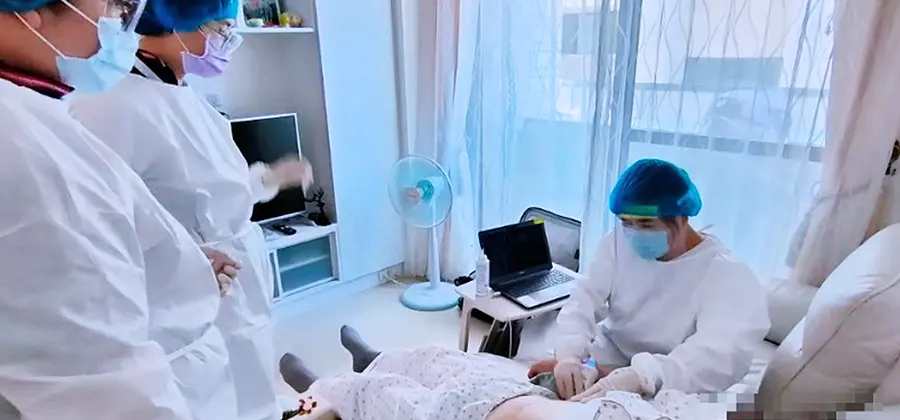
Dietitians proactively conduct outreach visits to outpatient chemotherapy patients
The only medical center in Taiwan to provide International Dysphagia Diet Standardisation Initiative (IDDSI) compliant testing diets
Pioneered the "1.3.5.7.10" slogan and intervention protocol for Refeeding Syndrome screening—a first in Taiwan and Asia
Nutritional screening rate within 48 hours of admission: > 98%
Visitation rate for patients with MUST score ≥ 3: > 90%
Visitation rate for cancer patients with MUST score ≥ 3: > 90%
Visitation rate for three specific cancer types: > 90%
The Swallowing Integration Clinic has been in operation since June 6, 2023 (twice monthly); as of September 21, a total of 29 patients have been served, including 3 head and neck cancer patients.
Cancer-related group health education: 40 sessions per year
Patient education satisfaction score: 3.8 out of 4
Family conferences held: 30–40 sessions per year
Caloric and protein intake among cancer patients was significantly increased.
Patients with initially poor oral intake (< 75% of requirements) and those with the three specific cancer types showed substantial improvements in caloric and protein intake following nutritional intervention.
The proportion of patients meeting ≥ 75% of daily recommended nutritional intake: 74.4% for calories and 73.4% for protein, outperforming other domestic hospitals (66.6% for calories and 64.6% for protein).
Post-intervention caloric intake increased by 432 kcal/day, surpassing other domestic medical centers (224 kcal/day).
Post-intervention protein intake increased by 19.2 g/day, surpassing other domestic medical centers (9.6 g/day).
The 48-hour nutritional screening completion rate averaged over the past five years (2018–2022) outperformed other domestic medical centers.
The incidence of refeeding syndrome (RFS) in head and neck cancer surgical patients decreased from 20% to 5%, significantly lower than figures reported in international literature.
For head and neck cancer patients following flap surgery: 60% of patients achieved 60% of their required caloric intake by postoperative day 5, and average caloric intake reached approximately 100% of recommended requirements by postoperative day 10.
Mean body weight loss during radiotherapy in head and neck cancer patients on oral feeding: reduced from 6.2% to 5.0% (p = 0.037).
Proportion of patients with body weight loss ≥ 10%: among oral feeding patients, decreased from 28.0% to 17.8% (p = 0.02).
High satisfaction score for cancer-related group health education: 3.8 out of 4.