All blood donors and recipients in Taiwan (especially high-risk groups including women of childbearing age and chronic transfusion patients)
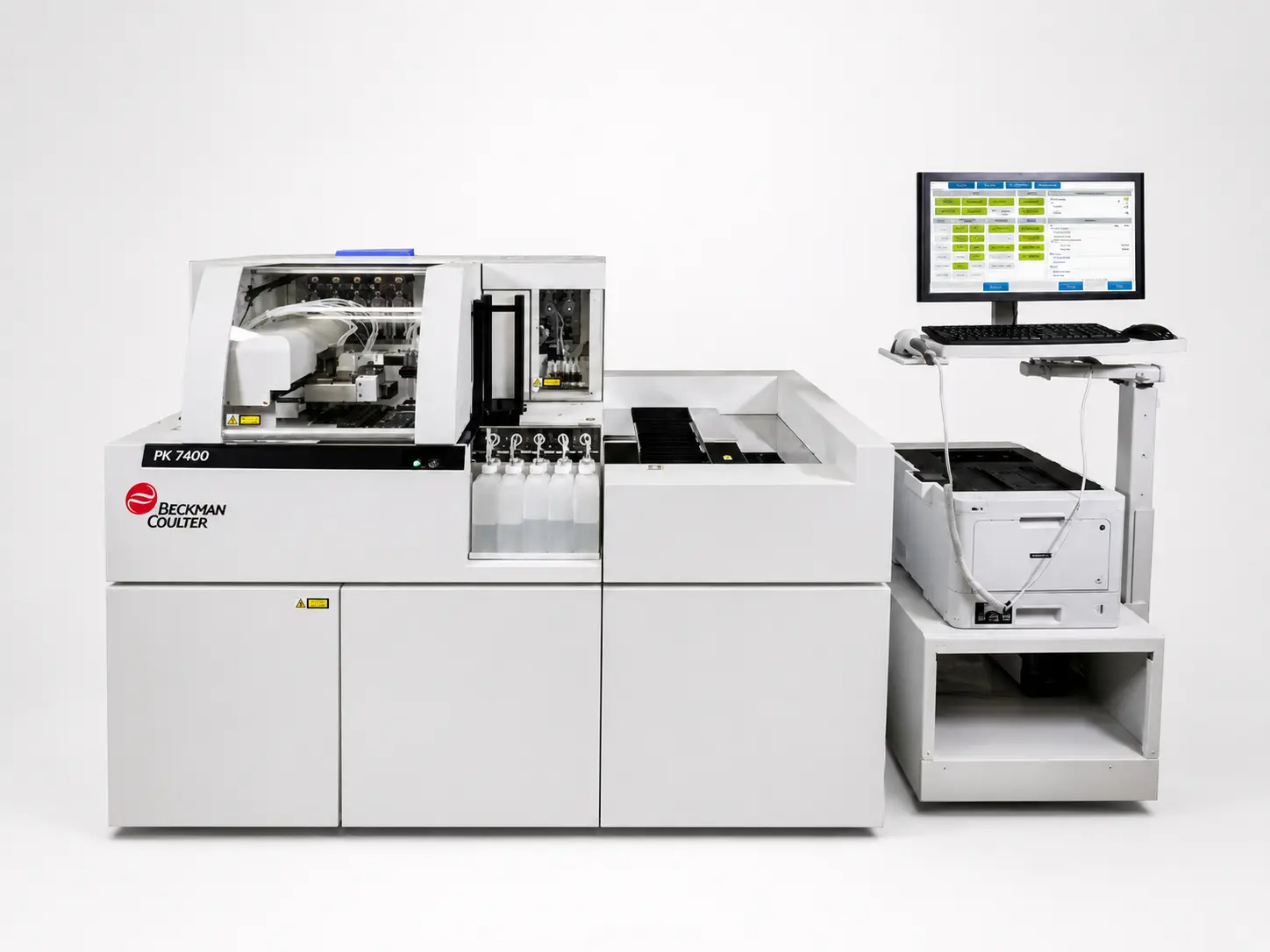
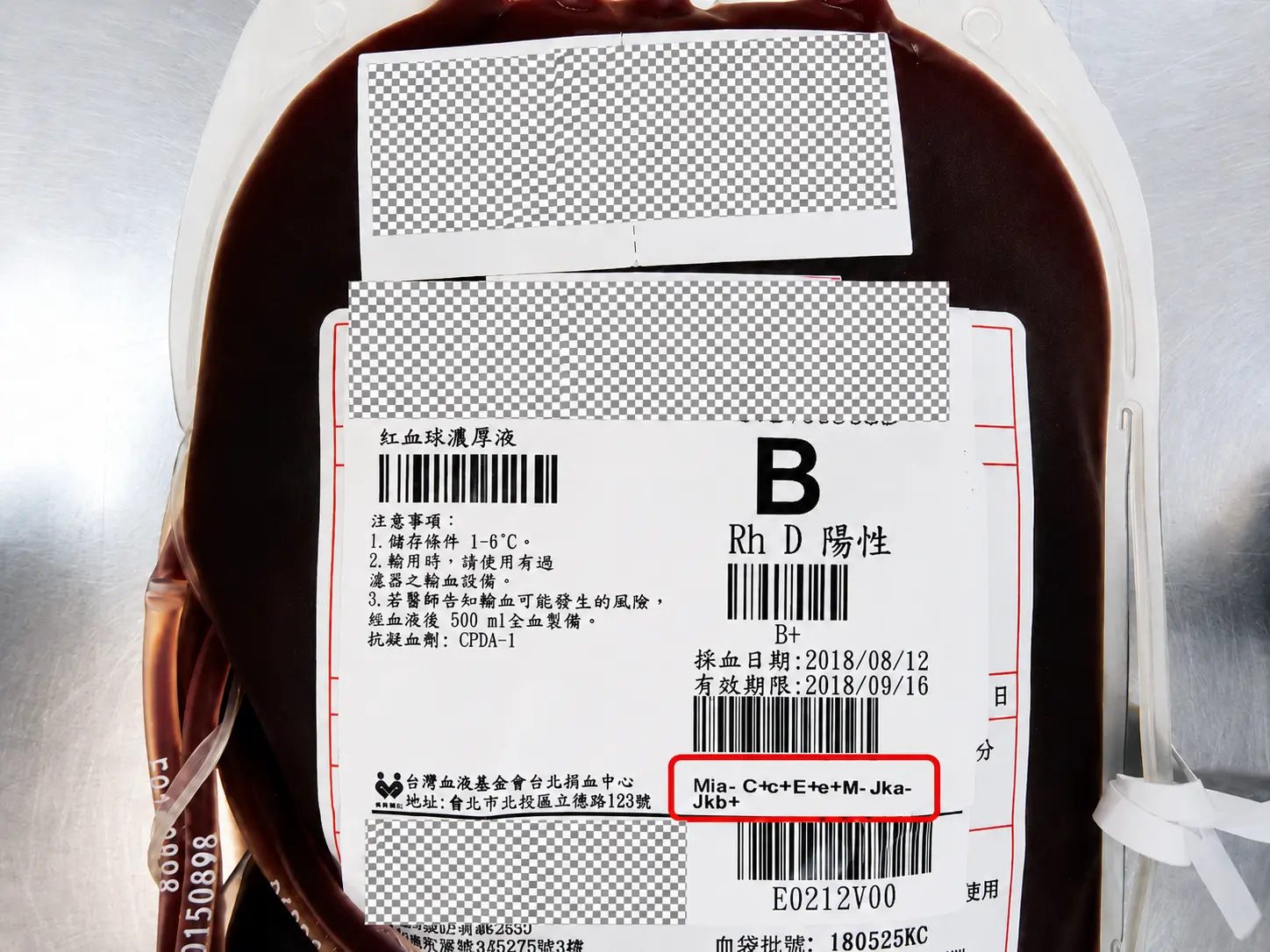
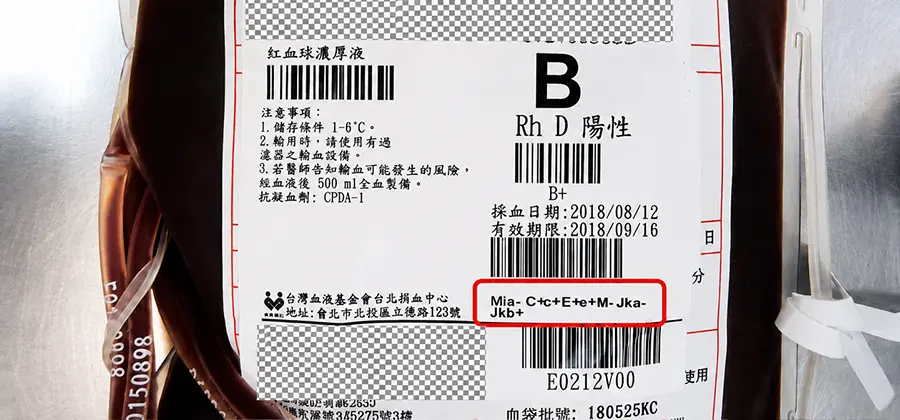
Mia antigen of the Miltenberger family is expressed in around 5% of Taiwan's population, the second most significant blood group antigen after ABO. With no commercial reagents from US/Europe, the Taiwan Blood Services Foundation collaborated with Japanese Red Cross Society from 2015. Researchers were sent to the Kanto-Koshinetsu Blood Center in 2016 to develop hybridoma cell line HIRO-377T from a Taiwan blood donor's B lymphocyte. This globally unique cell line produces high-titer human anti-Mia monoclonal antibody (patented in July 2020). Applied to PK7300/7400 automated analyzers for nationwide donor screening, Taiwan became the only country worldwide with comprehensive Mia testing, reducing special requests by 46% (from 7,900 to 4,300 annually) and elevating transfusion safety.
First globally to produce human monoclonal antibody anti-Mia (HIRO-377T) derived from a Taiwan high-titer B lymphocyte. 2. IgM antibody directly causes red cell agglutination, applicable to high-speed automated blood group analyzers. 3. Patented in July 2020 (20-year protection). 4. Taiwan is the only country worldwide with universal donor Mia screening. 5. Special requests reduced by 46% (from 7,900 to 4,300 annually). 6. Shifted from "treatment" to "prevention" strategy, comprehensively preventing antibody development in high-risk patients (women of childbearing age, chronic transfusion patients).
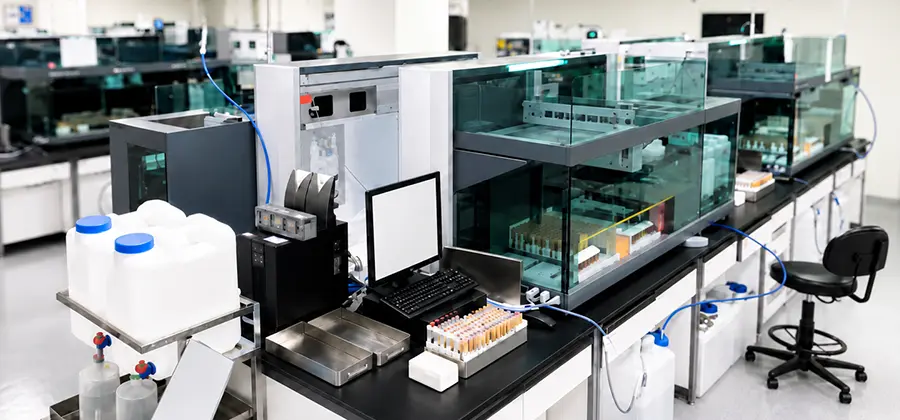
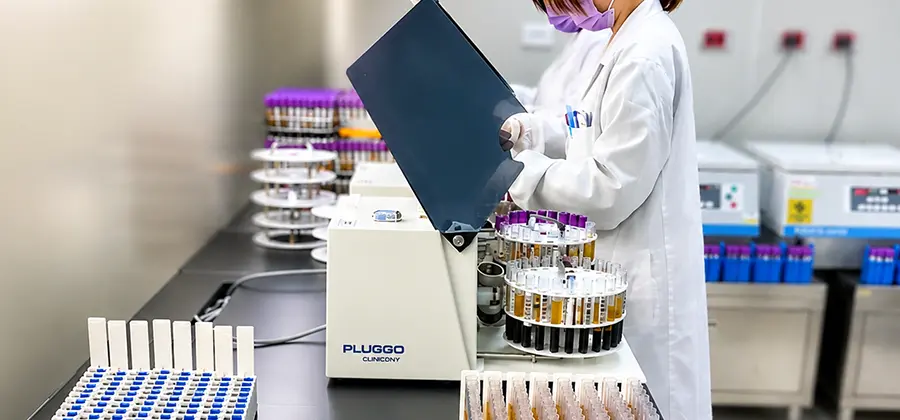
Blood Screening Laboratory operates 9 PK7300/7400 analyzers (7 PK7300 + 2 PK7400) processing 300 samples per hour; HIRO-377T fully characterized, advancing from ambiguous to definitive testing.
Achieved ISO 9001/ISO 15189 (medical lab)/PIC/S GMP/GDP certifications; annual internal audits and regular external audits by health authority and Australia CSL plasma plant.
Participates in proficiency testing of US College of American Pathologists (CAP), Australia National Serology Reference Laboratory (NRL), American Society for Histocompatibility and Immunogenetics (ASHI), and Taiwan Association of Medical Technologists.
The measure enhances the efficiency of blood banks in finding Mia antigen-negative blood: 93.3% Strongly Agree, 6.7% Agree.
The measure meets the demands of blood banks for Mia antigen-negative blood products: 93.3% Strongly Agree, 6.7% Agree.
The overall satisfaction is exceptionally high: 93.3% Very Satisfied, 6.7% Satisfied.
Mia antibody is the most prevalent irregular antibody in Taiwan (50% of total per Mackay; 47.54% per NTUH); rare in US/European Caucasians but prevalent in Asian populations (Southeast Asia, southern China, Taiwan Ami tribe up to 88%).
Mia antibody causes severe hemolytic transfusion reactions, hemolytic disease of fetus and newborn, and hydrops fetalis; this innovation solves a long-standing Taiwan-specific transfusion medicine challenge.