National blood-using institutions.
Transfusion patients with irregular antibodies
Chronic transfusion recipients
Hematologic malignancy and chronic kidney disease patients
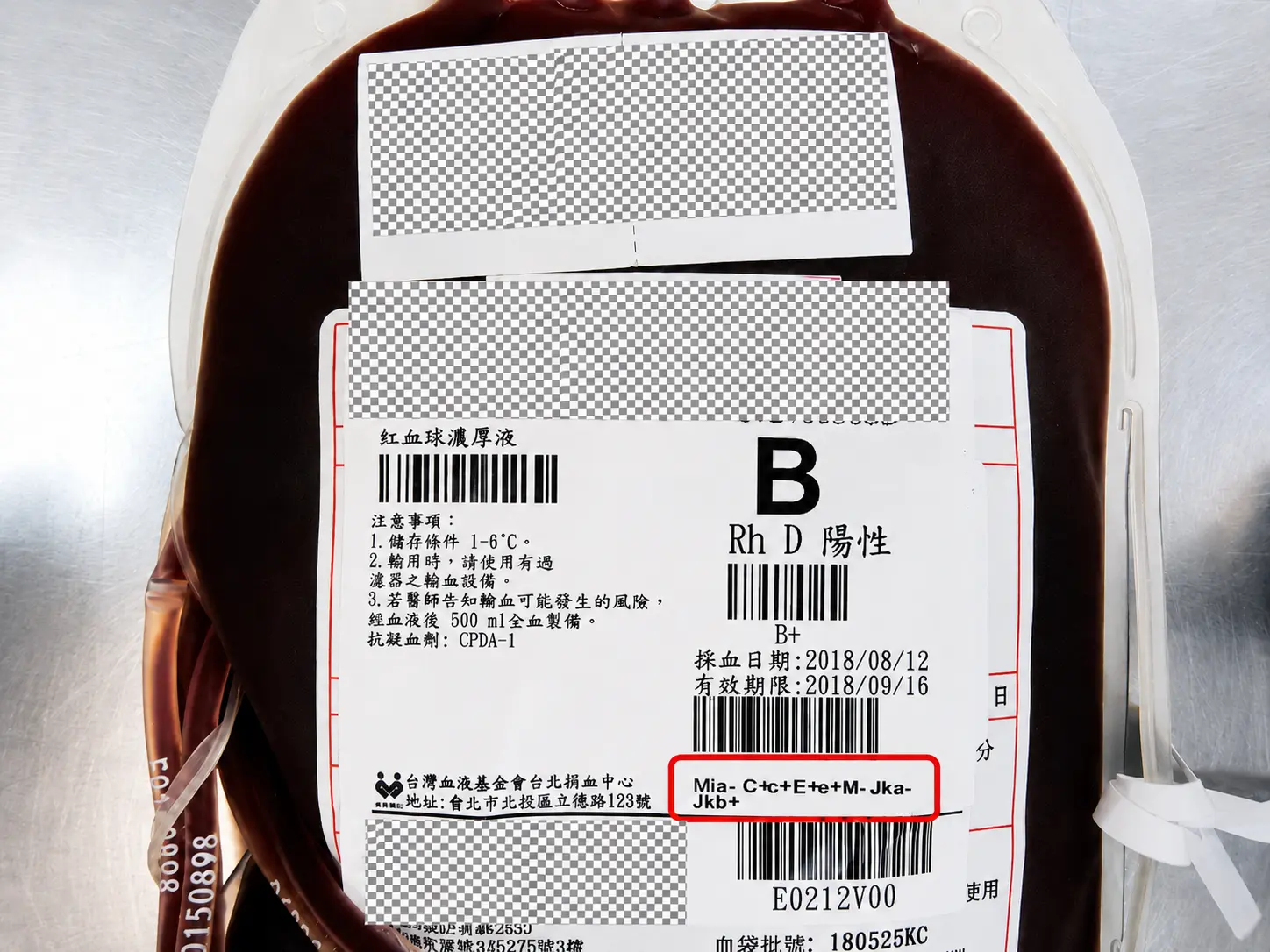
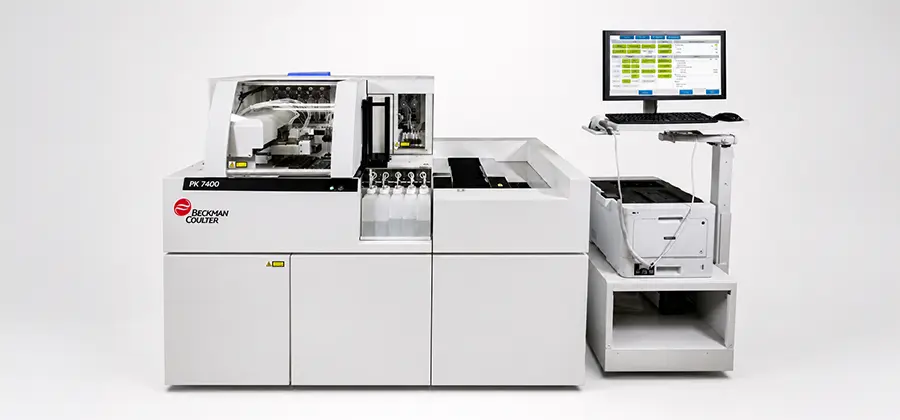
Through comprehensive blood type antigen testing and matching strategies, all blood donors undergo large-scale testing of primary antigens (C, c, E, e, Jka, Jkb, Mia), selective testing of secondary antigens, and free provision of antigen information with blood bags. Additionally, genetic blood type antigen testing services are provided to chronic transfusion recipients to simplify patient crossmatching procedures, improve timeliness of matching and transfusion, reduce alloimmunization and transfusion frequency in chronic transfusion recipients.
Primary antigen detection coverage rate of 99.8%, reaching world standard
Free provision of comprehensive blood type antigen information with blood bags to blood-using institutions
Lower cost burden for blood bank inventory and patient transfusion with better timeliness than US blood centers
Designated antigen blood product order fulfillment rate of 86%, surpassing US blood center performance of 50%
Proactive service provision to all blood donors, not limited to specific populations
Establishment of rare blood type antigen donor database, increasing diversity of blood supply
Approximately 90,000 transfusion cases per year for patients with irregular antibodies
National designated antigen blood product applications reduced from 90,000 units to 48,000 units
Blood bag antigen labeling rate of 99.8% in July-September 2022
Primary antigen testing covers all blood donors
Secondary antigen testing includes 10 items: M, N, S, s, Fya, Fyb, Lea, Leb, P1, Dia
50% of designated blood type antigen products for national blood-using institutions no longer require application procedures
Simplified patient crossmatching procedures for blood-using institutions
Improved timeliness of patient crossmatching and transfusion
Reduced blood bank requests for specific antigen blood products and waiting time
Increased registration of rare blood type antigen donors
Provision of most suitable blood bag selection for chronic transfusion recipients, reducing risk of antibody production and transfusion inefficacy
Comprehensive blood type antigen matching has lower alloimmunization rates compared to Type & Screen matching
Reduced risk of primary immunization (development of anti-E, -c, or -Jka after transfusion)
Reduced risk of secondary immunization (rapid antibody regeneration and hemolytic reaction in patients with existing antibodies)
Enhanced consistency of national transfusion safety
Implementation of blood group antigen testing and labeling in our institution: 100% Very Satisfied
Improvement in the timeliness of real-time management of antigen-specific blood products and blood bank inventory preparation: 85% Very Satisfied, 15% Satisfied
Ability to meet the routine demand for antigen-specific blood products: 75% Very Satisfied, 25% Satisfied
Primary antigen detection coverage rate of 99.8%, higher than Japan Blood Center's 70-90%
Primary antigen testing items (C, c, E, e, Jka, Jkb, Mia) comparable to Japan Blood Center, surpassing Korea Blood Center
Secondary antigen testing items reach 16 items including M, N, S, s, Fya, Fyb, Jra, K14, IFC, Ge, Lan, Oka, Ena, Dib, Lea, Leb, P1, Dia, surpassing Japan, Korea, and New York blood centers
Maintains 4 monoclonal antibodies from hybridoma cells (Mia, Mur, MUT, M), distinctive compared to Japan Blood Center's 300+ strains
Proactive service provision to all blood donors, same as Japan Blood Center, superior to passive provision model of Korea and New York blood centers
Blood bank personnel can quickly identify suitable blood products for patients with irregular antibodies
Reduced blood bank requests for specific antigen blood products (from 90,000 to 48,000 units) and waiting time
Reduced risk of antibody production and transfusion inefficacy in chronic transfusion recipients
Further reduction in transfusion frequency
Improved patient outcomes, especially for thalassemia and myelodysplastic syndrome patients
Decreased medical expenses, hospital and ICU days, and mortality associated with alloimmunization
Establishment of benchmark strategy for blood typing and transfusion in thalassemia patients nationwide