As a district hospital, we provide internal medicine, surgery, OB-GYN, pediatrics, orthopedics, and subspecialties, with outpatient, inpatient, and surgical services for community healthcare needs.
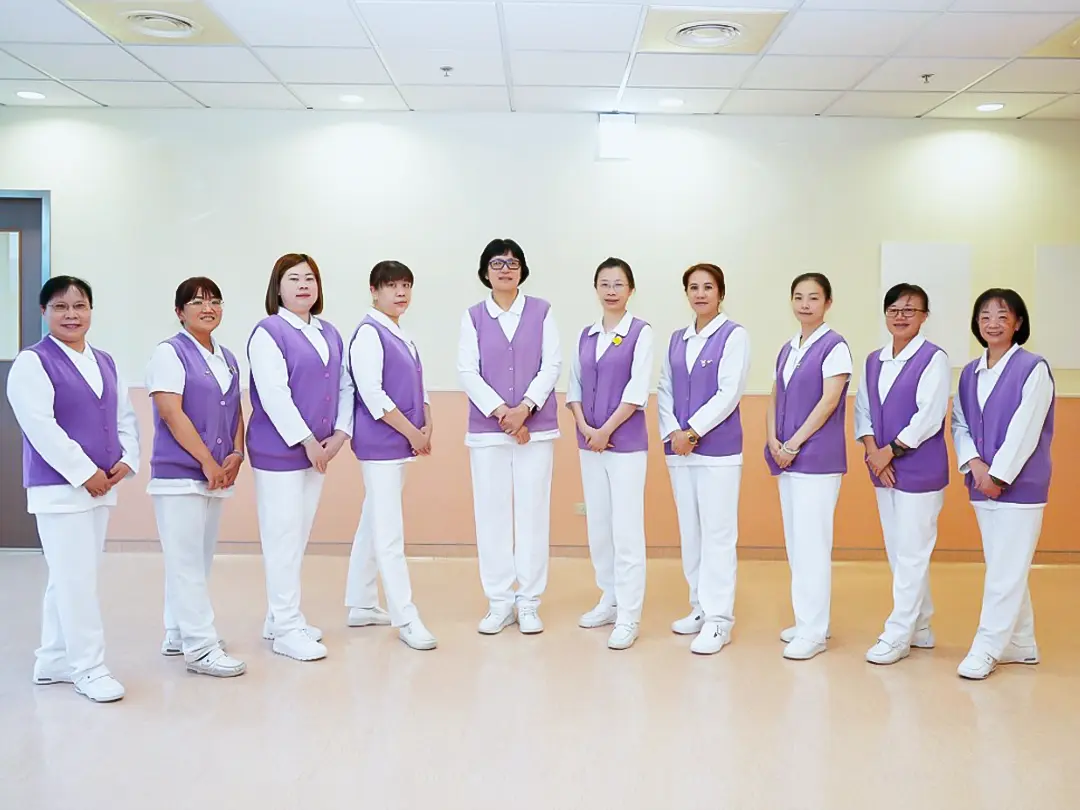
Since about three decades ago, large communities have been developed, and population keeps growing in the Ankeng area of Xindian. Howeber, there has been an absence of medical resources due to the poor transportation system and other geographical factors. In March 2014, the Ankang Branch of Cardinal Tien Hospital was established.The most convenient and high-quality complete medical services are finally provided to nearby residents. All matters, which includes operating process standings, start from scratch. Throughout teaching, quality management and construction, the surgical nursing team adheres to the SMART concept Care for the sick .S(Safety), M(Management),A (Assessment) , R (Receptive) , T (Team)is the team, nursing with professional knowledge, warmth and heartful care. We provide a developed nursing process, so that surgical patients can receive safe medical care. Our responsibility is earing patients' trust and guarding their health. The team nowdays provides outpatient and inpatient with emergency surgery about 396 people per month.
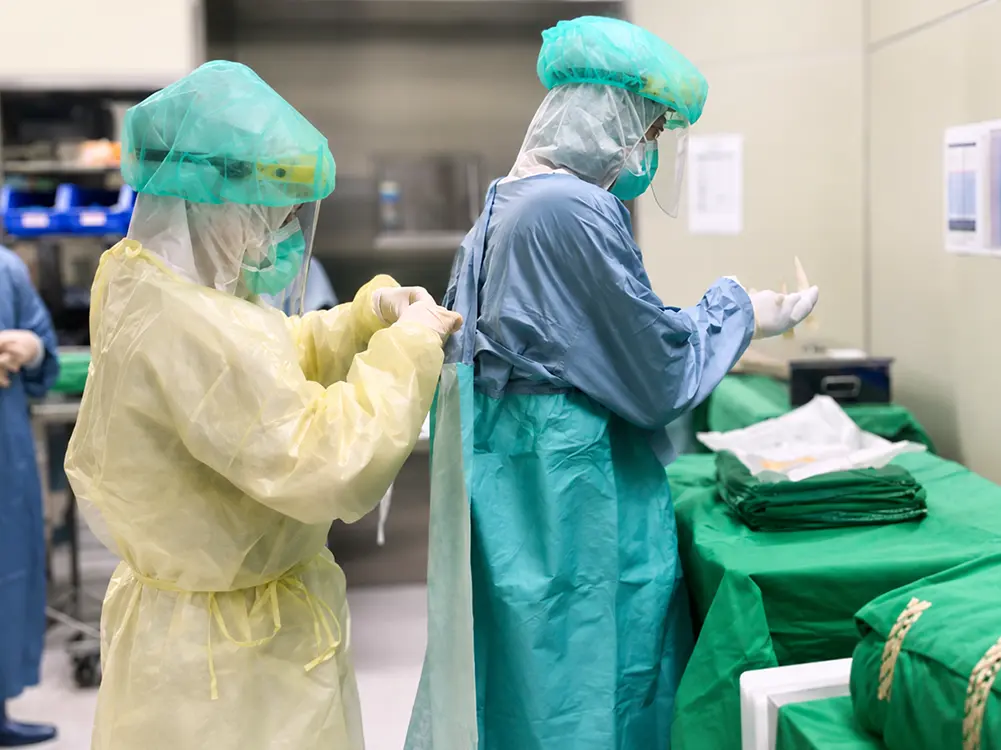
During the COVID-19 pandemic, Ankang Hospital took over the responsibility of COVID-19 inpatient ward. We also provides surgical treatment for COVID-19 patients. We expect in the furture, we will apply Evidence-Based Careand Innovative Delivery so that we can provide patients with better quality nursing care throughout the entire surgical period.
Since 2015, we have focused on “flipped learning,” “quality management,” and “warm, patient-centered care” as our core principles to promote patient safety education and the implementation of care quality initiatives.
Through systematic risk management, we have established management mechanisms to enhance the quality of medical care.
12,827 surgeries were performed between 2022 and 2024.
Surgical success rate reached 99.91%.
The proportion of surgical patients waiting over 60 minutes decreased from 13.5% to 1.5%.
Clinical audit implementation rate reached 100%.
New nursing staff learning effectiveness (EPAs) scored ≥3.6.
Mortality rate decreased from 0.12% to 0.09%.
Surgical patient safety reports decreased from 3 cases to 1 case.
High-risk anesthesia alert rate: 10.53%.
Surgical patient fall rate decreased from 0.12% to 0.084%.
Abnormal preoperative nursing preparations decreased from 42 cases to 1 case.
Patient and family satisfaction on “communication—identity verification and checks” reached 94.6 points.
Overall patient and family satisfaction score: 93.35 points.
Average satisfaction with flipped learning effectiveness among nursing staff: 94.58 points.
Nursing staff satisfaction increased from 69.4 points to 81.74 points.
A total of 18 domestic articles and posters were published and awarded.
One research article was published in a domestic journal.
One international poster was presented.
By adopting the concepts of a learning organization and “flipped” education, we have established a core teaching framework to enhance surgical patient safety.
Through systematic organizational risk assessment, integrated medical management, and PFM review of processes and outcomes, we have improved the quality of care for surgical patients.