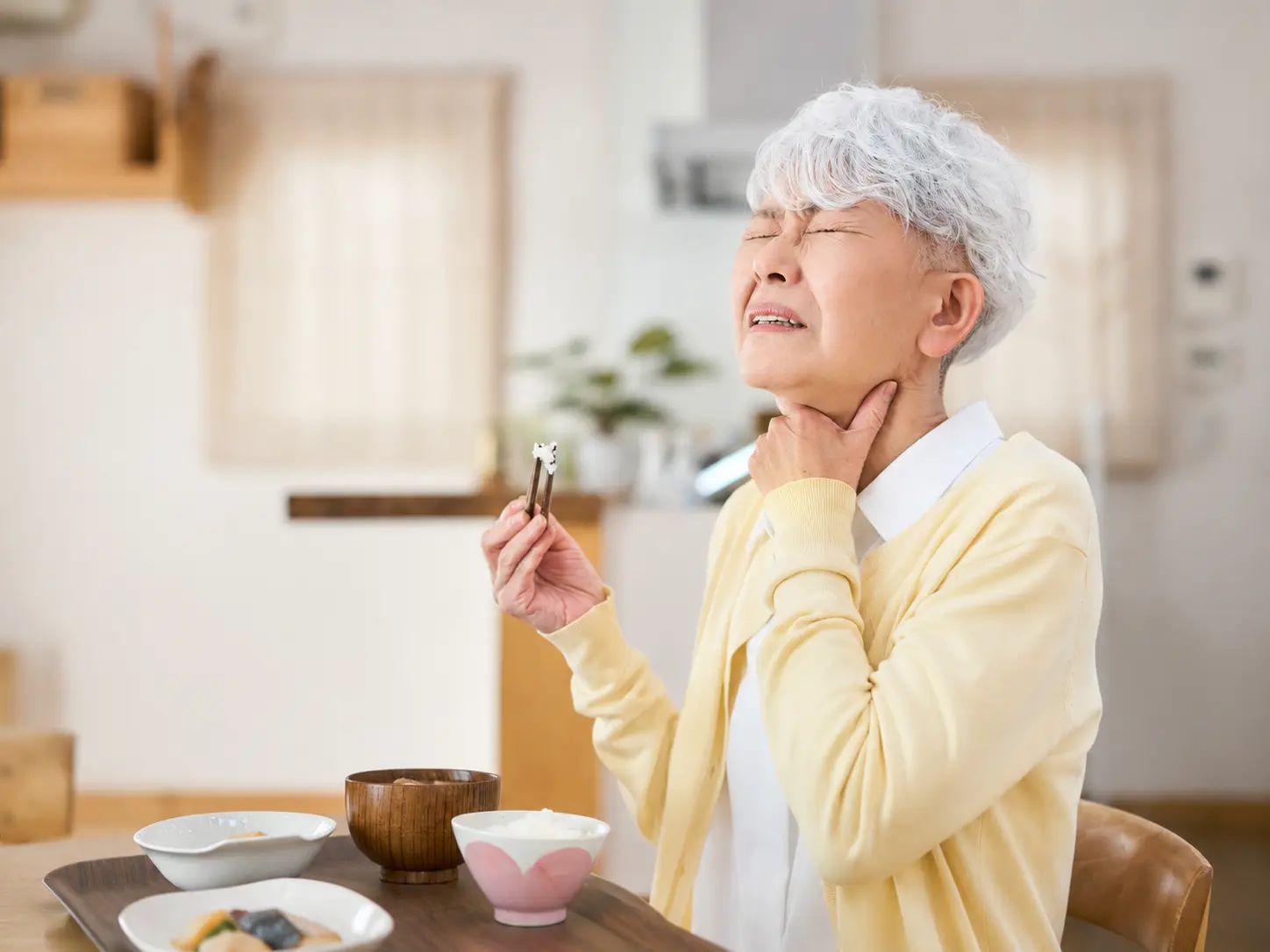
Recipients include patients with oral/pharyngeal swallowing disorders due to stroke, brain injuries, head/neck cancers, and neurodegenerative conditions (e.g., Parkinson's or dementia).
The Nantou Hospital of the Ministry of Health and Welfare established its Department of Rehabilitation and Therapy in 2003. In 2007, the hospital added a rehabilitation ward, and in 2008, a speech therapy unit was further established. Currently, the Department of Rehabilitation includes two rehabilitation specialists, five speech therapists, thirteen physical therapists, six occupational therapists, and one specialized nurse. In addition to actively procuring swallowing therapy equipment and measurement tools that comply with the International Dysphagia Diet Standardization Initiative (IDDSI), the hospital also places a strong emphasis on talent development. To this end, the hospital fully subsidizes speech therapists to obtain certification in the Modified Barium Swallow Impairment Profile (MBSImP) evidence-based assessment method, which enhances the quality of the videofluoroscopic swallowing study process. This initiative strengthens clinical personnel's ability to detect swallowing risks, improves referral procedures, and encourages the reporting of high-risk dysphagia cases. In line with its public health mission, the hospital is committed to providing comprehensive and professional swallowing care.
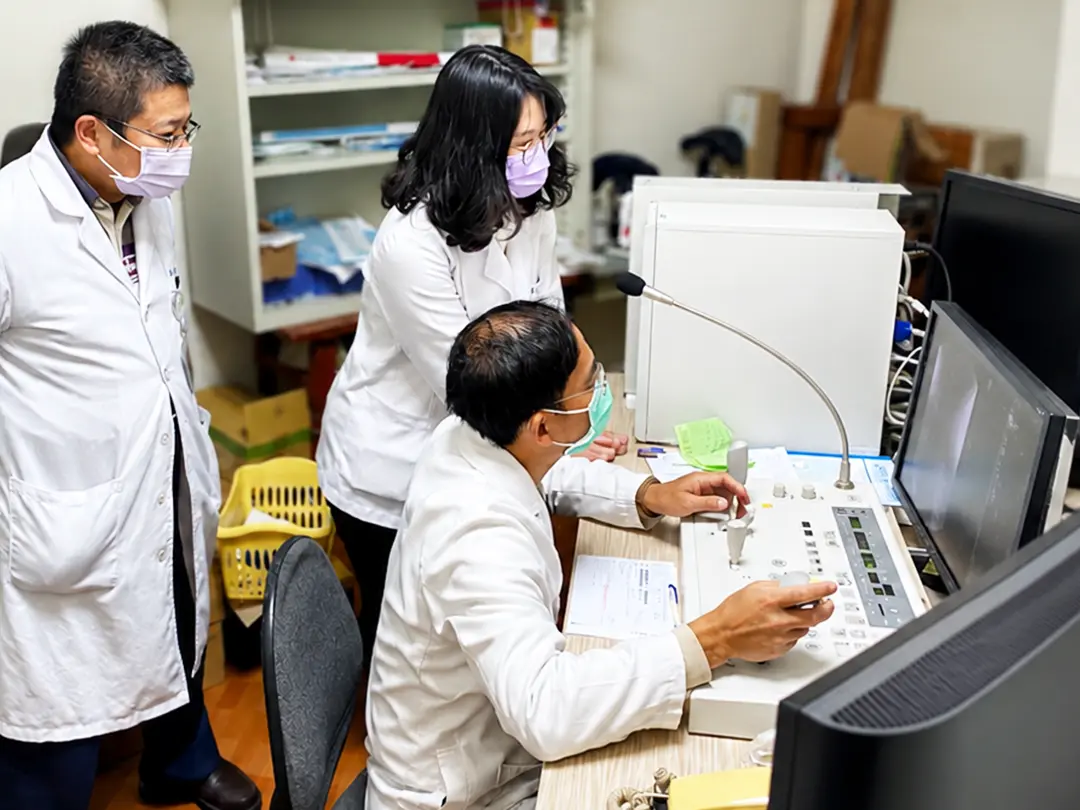
Our hospital has purchased various swallowing function training equipment with proven results, including repetitive transcranial magnetic stimulation, four-channel Bluetooth electrical stimulation swallowing therapy, VocaStim swallowing therapy device, tongue pressure assessment training and recording system, stethoscope and oximeter, etc. In addition to the above-mentioned equipment, our hospital is also committed to strengthening the professional functions of its personnel, such as allowing speech therapists to complete MBSImP training, strengthening professional skills in fluorescent swallowing photography examinations, and continuing to participate in empirical competitions to accumulate experience and publish the results at domestic and foreign seminars. Our hospital uses the International Dietary Standards for Dysphagia Dysphagia (IDDSI) online system to write assessment and treatment records, allowing team members to promptly understand the swallowing condition of the case.
Number of patients with swallowing disorders who had their nasogastric tubes removed
Changes in the food texture levels that patients with swallowing disorders can consume; As patients' swallowing abilities gradually improve, speech therapists provide recommendations for the types of food textures that patients with swallowing disorders can safely consume. The greater the variety of food texture levels a patient can handle, the better their swallowing ability.
Satisfaction surveys for hospital staff and patients with swallowing disorders – A QR Code linking to a Google cloud-based satisfaction form is used.
During this study, 276 patients with dysphagia were referred for speech therapy, including 213 inpatients and 63 outpatients. The overall care outcomes were significant, with oral intake success rates reaching around 70% for both groups. Among the 213 inpatients, 62 had no NG tube at initial assessment (experiencing only occasional coughing with liquids), while 151 had NG tubes. Of those with NG tubes, 52 patients (34.4%) successfully had them removed before discharge. Among the remaining 99 patients, 51 continued swallowing training under IDDSI texture standards, 13 discontinued therapy due to changes in their medical condition, and 38 temporarily received indirect therapy due to tracheostomy, poor lung function, or UTIs. Overall, 103 inpatients maintained or partially recovered oral intake upon discharge, achieving an oral intake success rate of 68.2%. Among the 63 outpatients, 22 had no NG tube initially (with occasional coughing only with liquids), and 41 had NG tubes. Ten of them (24.3%) successfully removed their NG tubes before the project ended. Of the remaining 31 patients, 13 continued IDDSI-standard training, while 18 temporarily focused on indirect therapy due to reasons such as tracheostomy, poor lung function, or cognitive and language comprehension impairments. Ultimately, 45 outpatients maintained or partially recovered oral intake, achieving an oral intake success rate of 71.4%.
From the patient's perspective, Nantou Hospital’s patient-centered, multidisciplinary dysphagia care allows individuals to receive local videofluoroscopic swallowing studies (VFSS) and bedside assessments. This helps them quickly and clearly understand the causes and locations of their swallowing difficulties, thereby boosting their motivation and adherence to subsequent training and indirect therapies. Guided by speech therapists, patients and caregivers learn to measure food textures using IDDSI-compliant tools, or select and cook appropriate foods from convenience stores. This enhances eating motivation, diversifies nutritional sources, increases daily oral intake frequency, and improves eating safety. From the care team's perspective, hosting dysphagia training workshops and having speech therapists complete the MBSImP certification enables a comprehensive review of the risks hidden behind each swallowing stage, serving as a solid basis for setting treatment goals and dietary recommendations. Furthermore, establishing shared communication platforms (e.g., the NIS system, Google Calendar) and adopting the International Dysphagia Diet Standardisation Initiative (IDDSI) framework increases communication efficiency and data integrity among team members. This enhances their grasp of condition changes to meet rapidly evolving clinical needs, ultimately ensuring safer dysphagia interventions across all professional backgrounds.
A service satisfaction survey conducted by the Rehabilitation Department at Nantou Hospital for outpatients, inpatients, and their caregivers reveals that the vast majority of respondents highly approve of the department's overall quality of care. According to the results, 76% of respondents expressed satisfaction with the overall service quality. Furthermore, 75% indicated a willingness to recommend the hospital's rehabilitation services to friends and family with similar medical needs. In terms of specific satisfaction rankings for the healthcare team, respondents were most pleased with the professional knowledge, medical expertise, and excellent bedside manners of both the physicians and therapists. Overall, the survey highlights that the rehabilitation department is highly recognized as an efficient, communicative team that consistently protects patient privacy.
In May 2024, the results of our swallowing care program were presented at the International Symposium on Transdisciplinary Care for Dysphagia. Not only did we have the opportunity to exchange clinical care experiences with experts and scholars, but we also gained insights into the latest care concepts from both domestic and international practices. The poster presentation of our results was awarded first place in the Clinical Care category at this international symposium.