Residents of Keelung and North Coast community
Dementia patients and high-risk individuals
Elderly depression patients
Elderly people in remote areas (Wanli, Ruifang, Gongliao, Pingxi)
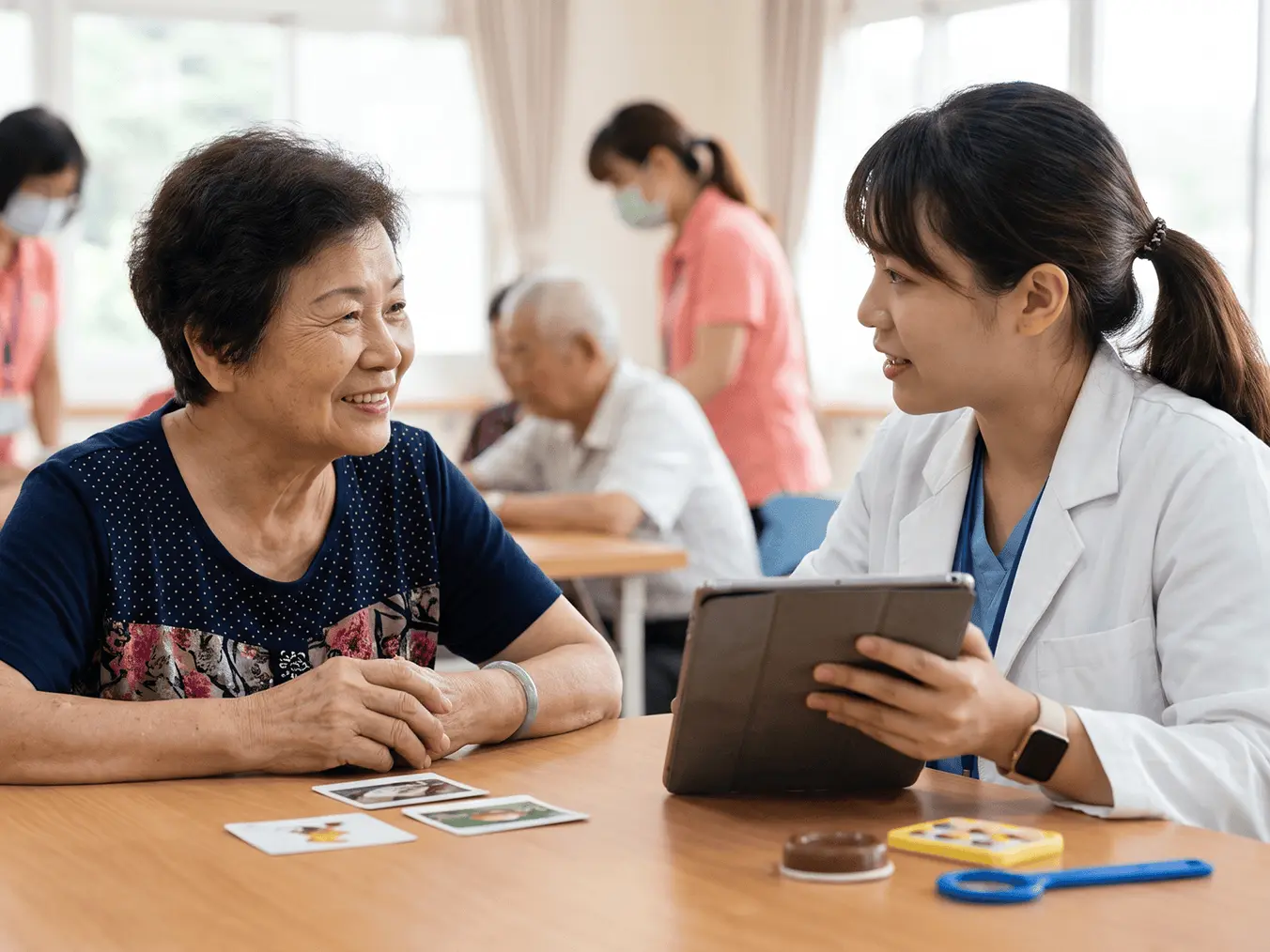
The Happy Smart Care Circle is a holistic care service system integrating community screening, medical treatment, home care and social services. Since 2013, it has been deeply rooted in the community, providing prevention, treatment and care services for dementia and elderly depression through active screening, early detection, comprehensive assessment and long-term follow-up. It combines a multidisciplinary team of neurology, psychiatry, social work and nursing to achieve a circular care model from community to medical institutions and back to community.
Active community screening: 275 health activities and services to 8,121 residents since 2013
Holistic biopsychosocial assessment: Covering cognitive, mental, nutritional, sarcopenia and multi-dimensional assessment
Surrounding care with horizontal linkage: Integration of medical, social welfare and long-term care resources
Long-term follow-up with vertical care: Complete disease spectrum coverage from very early to severe dementia with long-term tracking
Cross-disciplinary integrated innovation: Combining brain imaging, biomarkers, multidisciplinary research and clinical services
Community cognitive and mental health care: 275 health activities, serving 8,121 residents, total 24,502 person-times
Shared dementia care: Serving 6,051 dementia patients with education and training
Dementia social services: 27 free clinics, 12 health education lectures
Remote area cognitive and mental health medical services: 79 clinics serving 414 person-times since 2023
Integrated home medical care: Serving 101 patients, 710 home visits
Dementia shared care center cumulative enrollment: 6,015 patients (March 2019-2024)
Dementia shared care center referrals to community centers: 2,256 patients, 70.2% referral rate (2023)
Service coverage: Serving over 7% of residents in Keelung and North Coast area
Dementia shared care center service referral growth: 167% (2019-2023)
Referral rate to neurology treatment after community screening: 26.1%
Referral rate to psychiatry treatment after community screening: 46.1%
Dementia shared care center services significantly reduce clinical dementia rating (CDR) decline and slow cognitive decline (Log Rank p<0.001, p=0.018)
Long-term follow-up study: 240 patients with complete brain MRI and assessment (2016-2024)
Significant reduction in loneliness after 10-week mindfulness stress reduction treatment
Community screening satisfaction: 100% of participants willing to continue follow-up and participate in community activities
Standardized organizational operation procedures
Standardized enrollment content and assessment
Standardized referral process
Standardized information registration system
Standardized tracking system
Dementia shared care center rated "Good" by Department of Health and Welfare
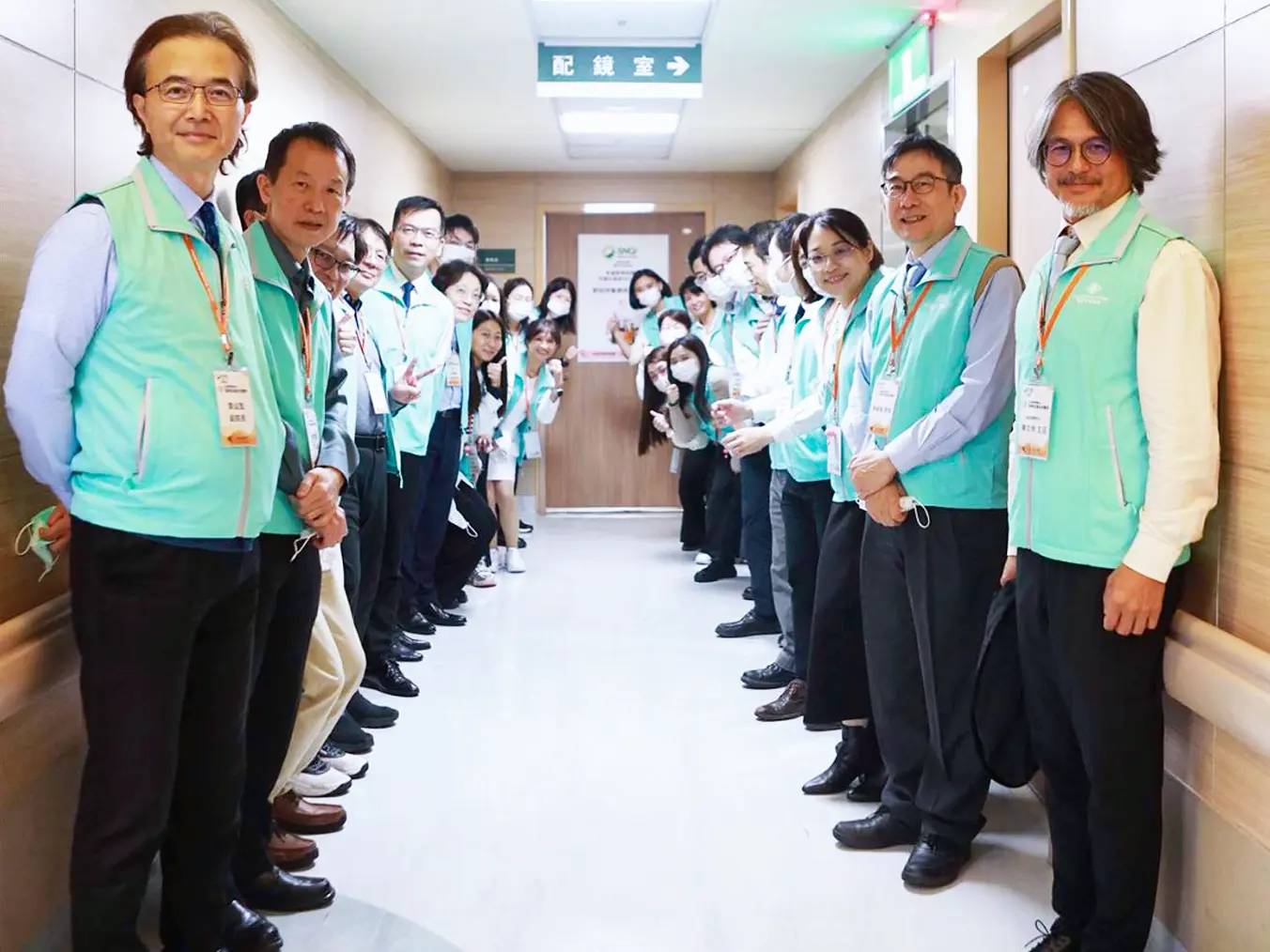
Community Medicine Center certified by SNQ
Community screening health care activity satisfaction: Average rating 4.5 or above (out of 5)
Dementia shared care service satisfaction: Average rating 4.0 or above (out of 5)
Willingness to continue follow-up and participate in community activities: 100%
Proportion with family members participating in screening: 56.41%
Average years of participation: 3.8±2.0 years
Survey sample: 117 community screening participants, 24 dementia shared care participants
National Science Council Wu Ta-You Award (research innovation)
National Science Council Future Technology Award
International conference paper presentations
Leading MRI research in Asia, especially in preclinical dementia and elderly depression research
Series of papers representing Taiwan's unique medical and service environment
Patent applications: MRI-derived patent protection in progress
Become one of the representative studies in domestic middle-aged and elderly cognitive generation research
Demonstrated potential to become an important part of international cognitive research in middle-aged and elderly populations
Positive outcomes: Increase screening rate and promote early treatment; strengthen community screening and hospital referral; optimize medical treatment and community care coordination; slow cognitive decline and reduce severe dementia needs; reduce family and patient psychological burden; lower medical and social costs
Integration of research and clinical practice: Conducting intensive follow-up through comprehensive neuropsychiatric and brain imaging assessment recall
Cross-disciplinary collaboration: Integration of Chang Gung Hospital departments, government health and welfare units, and community organizations
Human resources: Establishing a complete care team from case managers, specialist nurses to clinical psychologists
Community empowerment: Enhancing residents' cognitive and mental health literacy and self-care awareness
Policy impact: Demonstrating best practice model for community dementia care