Focused on autonomy and advance preparation for end-of-life medical decisions
Anyone who wishes to prepare for future end-of-life medical decisions while they are still capable and competent
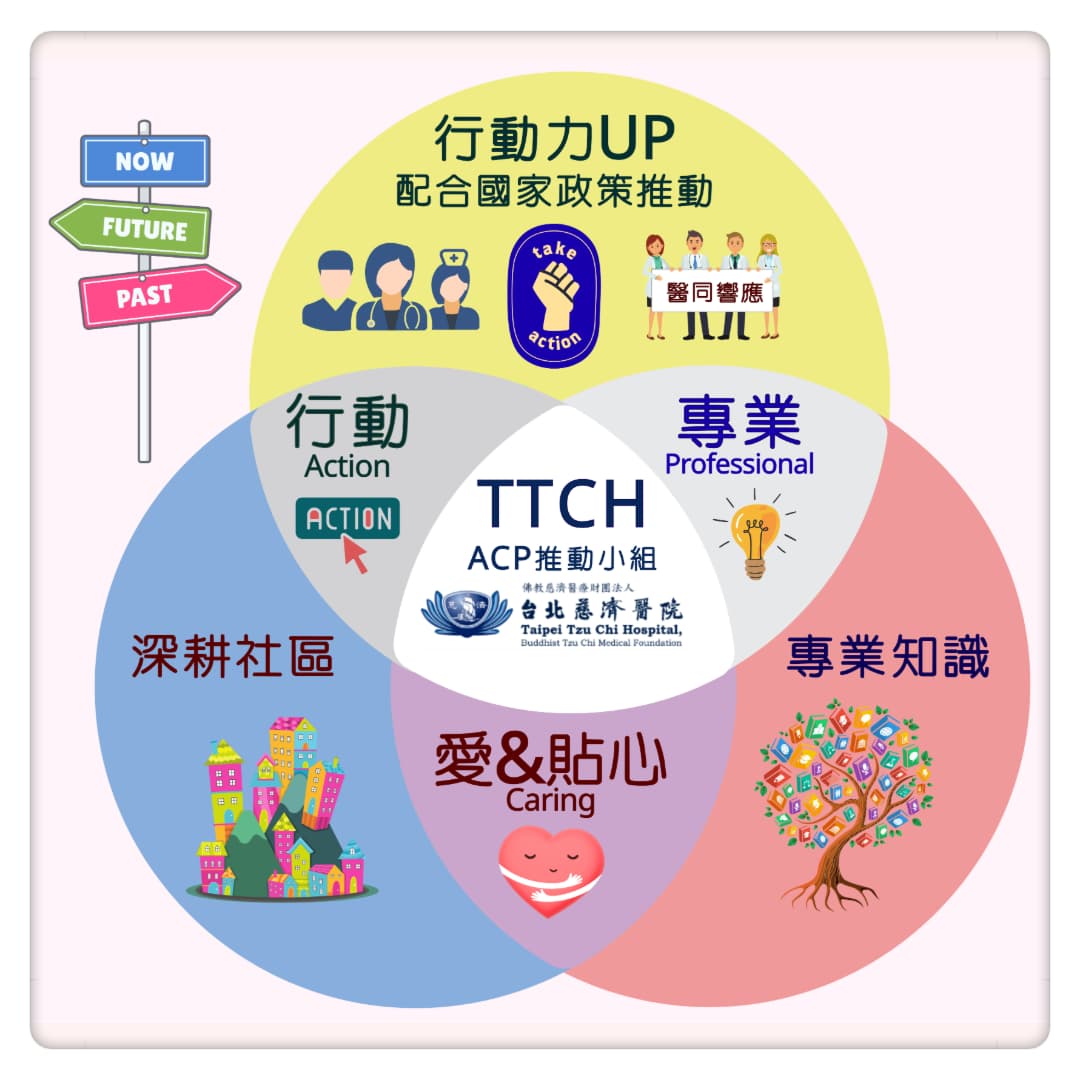
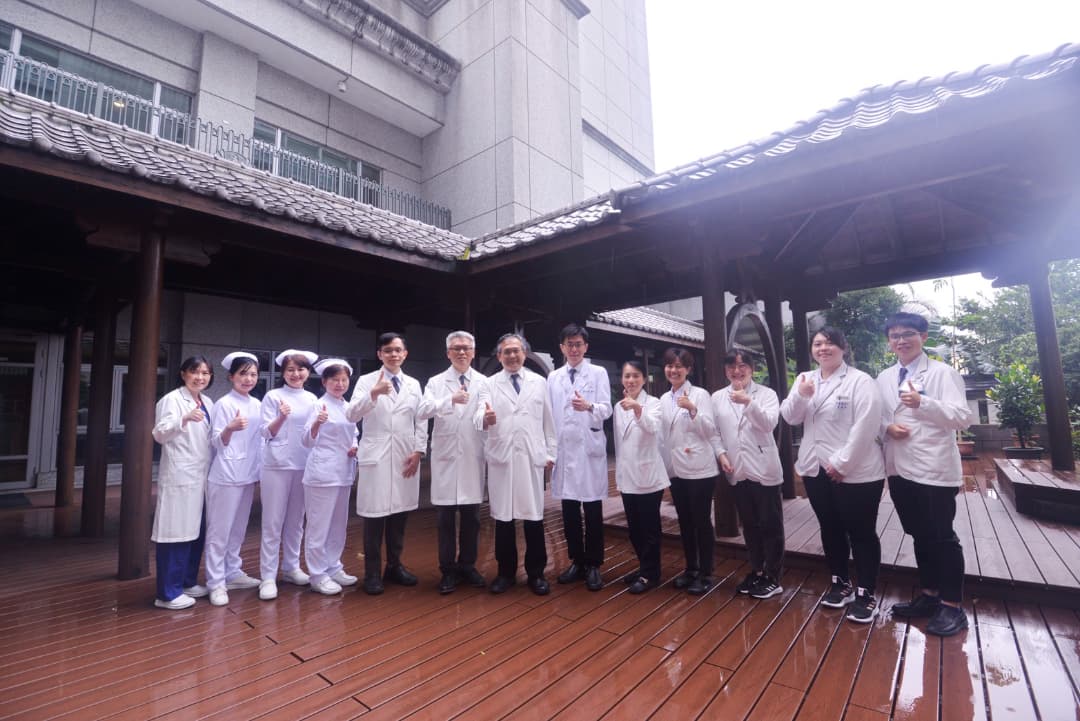
The Patient Right to Autonomy Act Promotion Task Force of our hospital is under the Office of the Superintendent and is supported by a well-structured organization and professionals. The team consists of six attending physicians and two full-time case managers, with nearly 90% of counseling professionals certified as core instructors under the PRAA. Social workers from department of medical social services and psychiatry are also integrated, forming a multidisciplinary ACP counseling team.
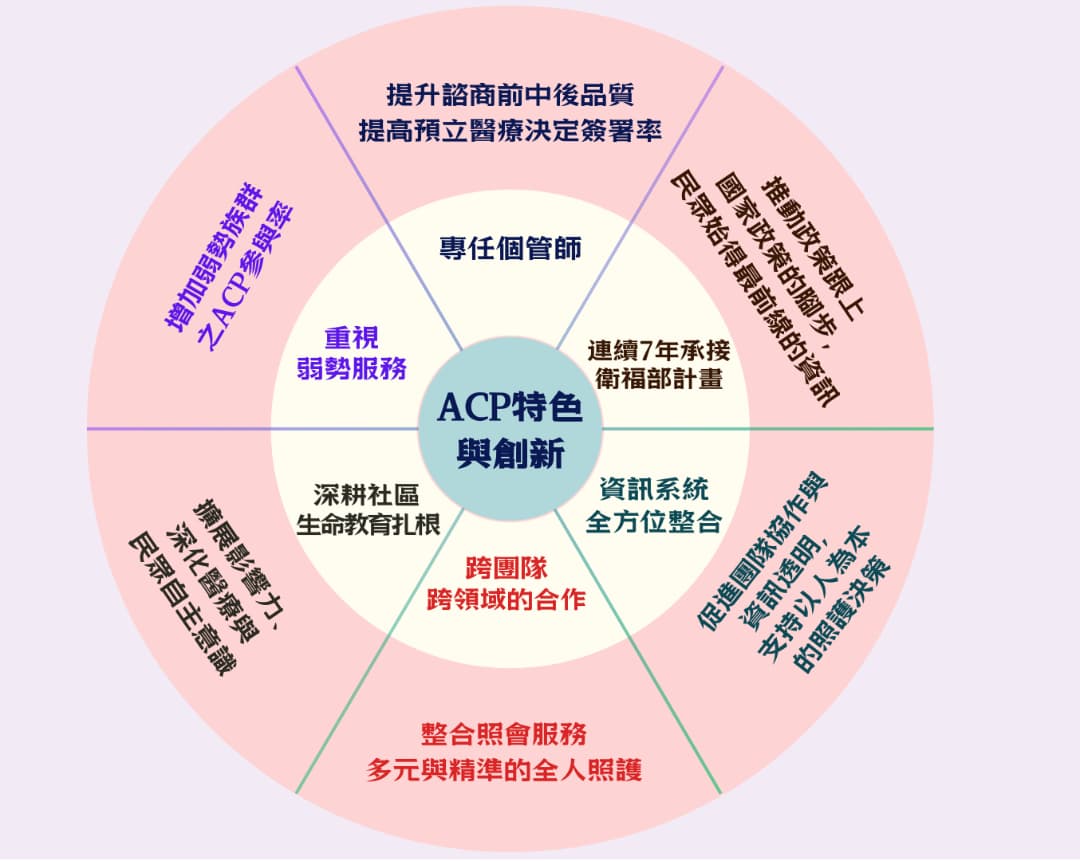
Clinical services include ACP outpatient clinics, tele-ACP counseling, group counseling, and home-based ACP services. Since 2018, the hospital has participated in programs led by the Ministry of Health and Welfare, and from 2019 to 2025 has been consecutively selected as a demonstration hospital in New Taipei City for 7 years. The hospital has consistently achieved the highest AD signing rates in the city and has supported many medical institutions in establishing ACP counseling capacity & clinics.
In addition, the hospital is committed to services for vulnerable populations, the training of ACP promotion volunteers, and the spreading of life education programs in the community. With a strong emphasis on medical education and research, including the publication of SCI-indexed papers, the hospital’s achievements demonstrate both exemplary and leadership value.
Prioritizing Vulnerable Populations: ACP outpatient services for patients with early-stage dementia and expanded support for vulnerable populations.
Tele-ACP Integrated with Rural Resources: Ensuring uninterrupted ACP consultations during pandemic and transportation limitations.
Diverse Service Models: Outpatient, group ACP, inpatient, tele-ACP, and home-based for comprehensive coverage.
Promoting Life Education: Community engagement from living well to dignified end-of-life care.
Person-Centered Case Management: Dedicated case managers provide full coordination, follow-up, and AD activation.
Providing Financial Subsidy: Green Channel program reduces financial barriers and increases participation rates.
Total ACP Consultations and AD Signings. From219 to 2025, there have been 3,970 ACP consultation sessions provided, resulting in 3,925 Advance Directive (AD) signings. The signing rate reached 98.9%.
Group ACP Consultation Formats
Family ACP Consultations: Each session typically involves 6–7 participants.
Small Group ACP Consultations: Each session typically involves 20–30 participants.
From 2019 to 2025, the average number of Advance Directive (AD) signings has exceeded 500 cases per year.
From 2019 to 2025, our cases accounted for up to 45% of New Taipei City cases, while up to 4.6% of all cases in Taiwan. Our program has maintained a consistently high execution rate over time.
In 2024, the institution ranked third nationwide in total service volume among hospitals participating in the Green Channel program for ACP services.
Requirement for Participation of Second-Degree Relatives
Participation of second-degree relatives is required, ensuring the first line of communication to protect the interests of the declarants.
Improving Attendance of Second-Degree Relatives
The attendance rate of second-degree family members in ACP consultations has remained at approximately 90% over the years.
Reducing Sessions Without Second-Degree Relatives
The attendance rate of second-degree family members in ACP consultations has been increased to more than 95% in 2025.
Overall Satisfaction: Annual overall satisfaction with ACP consultations is consistently high, averaging 98%–99%.
Cost Satisfaction: Satisfaction with ACP consultation fees is approximately 81.35%; dedicating to providing additional social welfare and subsidies for vulnerable groups.
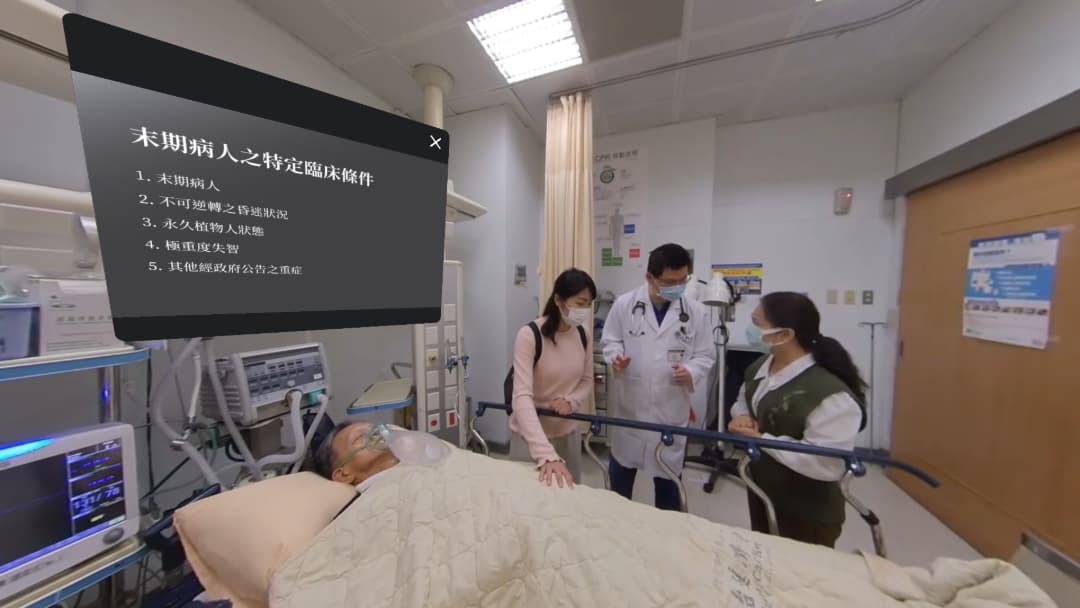
“Teaching Effectiveness of Using Virtual Reality for Advance Care Planning Education among Healthcare Professionals”
Published as an SCI-indexed article in BMC Medical Education (BMC Med Educ 24, 112; 2024).
Promotion of ACP for Early-stage Dementia; filling the decision-making gap in elderly care.
Development of diverse ACP consultation models; improving accessibility for rural and disadvantaged areas.
Strengthening interprofessional collaboration; improving the quality of medical decision-making and team consistency.
Reduce ineffective or excessive medical interventions; improving the quality of care and patient dignity.
Alleviate decision-making pressure of the family; promoting harmonious doctor-patient relationship and family consensus.
Promoting a patient-centered decision-making model; supporting the sustainable development of the healthcare system.