Individuals with dementia, general disabled elderly who are partially independent in daily living but require companionship, and those with mobility impairments requiring care or long-term bedridden.
Established in February 2006 in the central coastal region of Taiwan, this nursing home has successively set up a specialized dementia care unit and a day care center. Backed by a strong medical support system, the institution promotes complementary therapies to enhance residents' physical and mental well-being, ensures patient safety, and implements comprehensive, cross-disciplinary care plans. Furthermore, it actively engages with community groups and academic institutions to jointly elevate the quality of life for its residents.
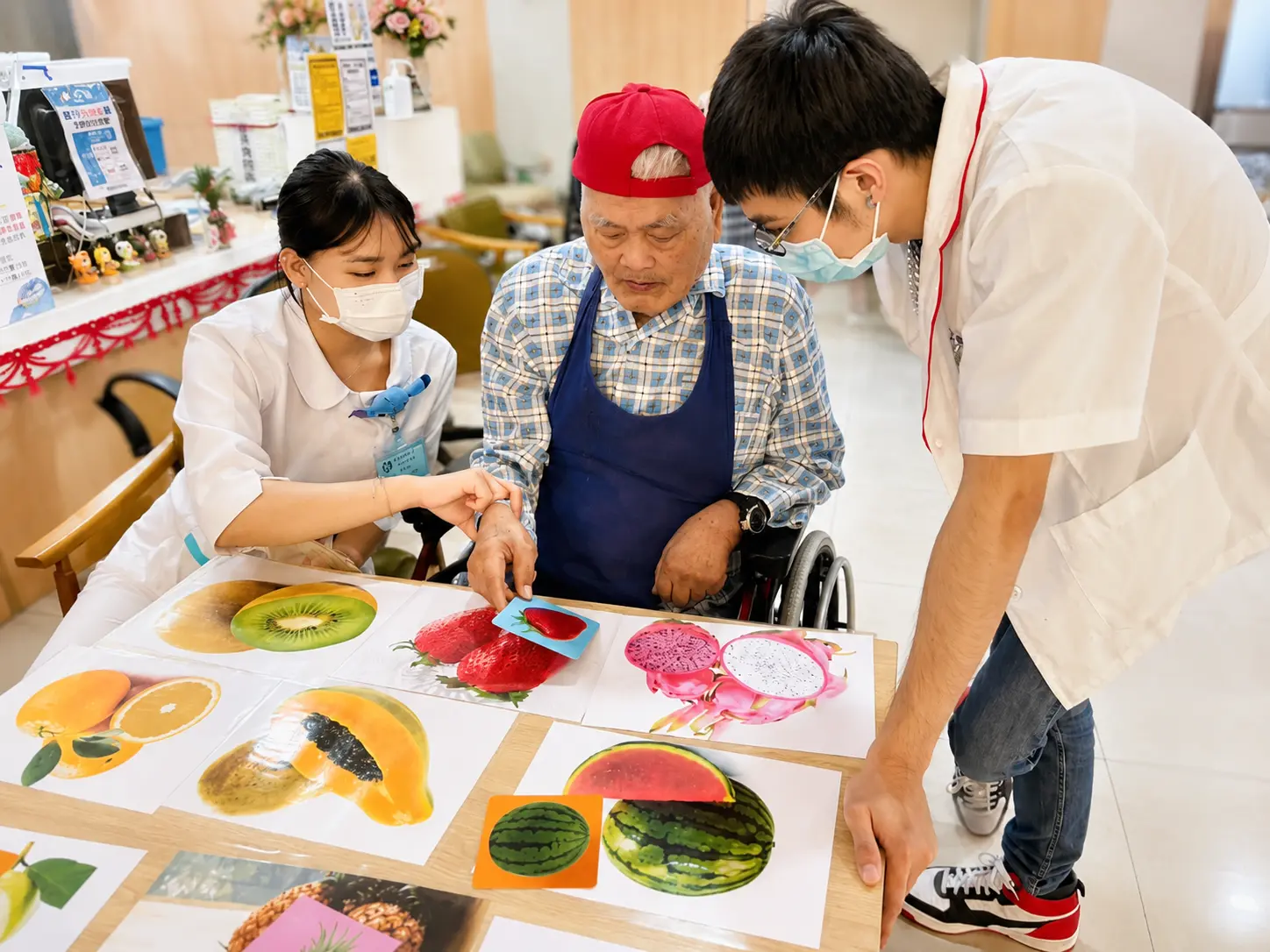
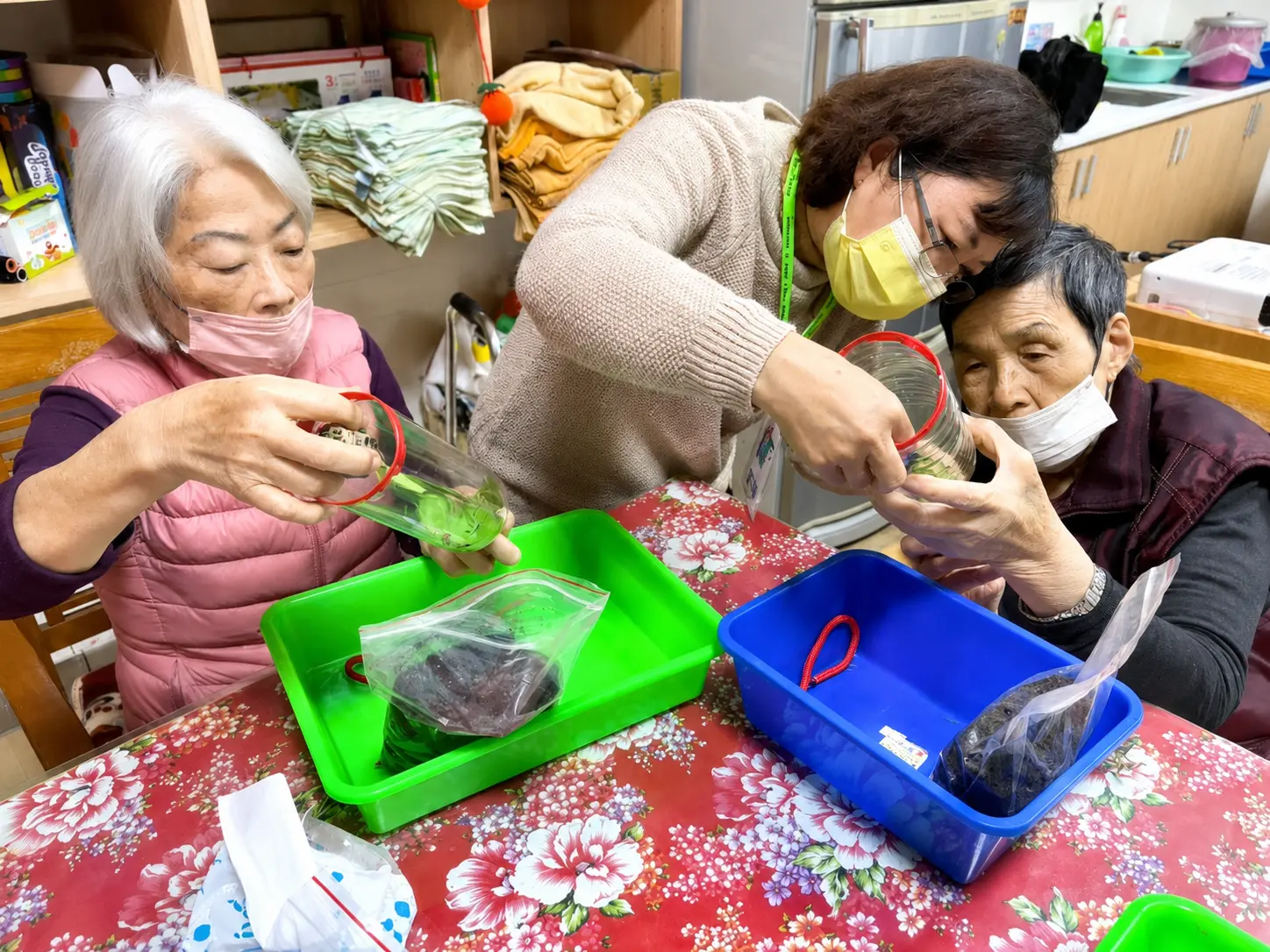
Learning Therapy: Initiated in 2007 to promote learning therapy for improving cognitive and behavioral symptoms in elderly individuals with dementia. •Music-Assisted Therapy: Initiated in 2007 to introduce and promote music-assisted therapy within nursing home facilities. •Aromatherapy: Initiated in 2007 to introduce and promote aromatherapy within nursing home facilities. •Art Therapy: Conducted hands-on craft activities and established a university-industry collaboration with faculty and students from Hungkuang University to jointly promote expressive art-assisted therapy. •Bed-Exit Alarm Systems: Initiated the use of bed-exit alarms in 2007 to effectively reduce the incidence of patient falls. •Color-Coded Management for Evacuation Efficiency: Implemented a color-coded system (Red, Yellow, and Green) based on residents' mobility and transfer capabilities to enhance evacuation efficiency during emergencies. •Televisit Services: Launched the Televisit service system in 2007 to provide remote visitation options for families.
2012 "Effectiveness of Learning Therapy on Improving Cognitive and Behavioral/Psychiatric Symptoms in Institutionalized Elderly with Dementia." 2012 The 21st NKG.
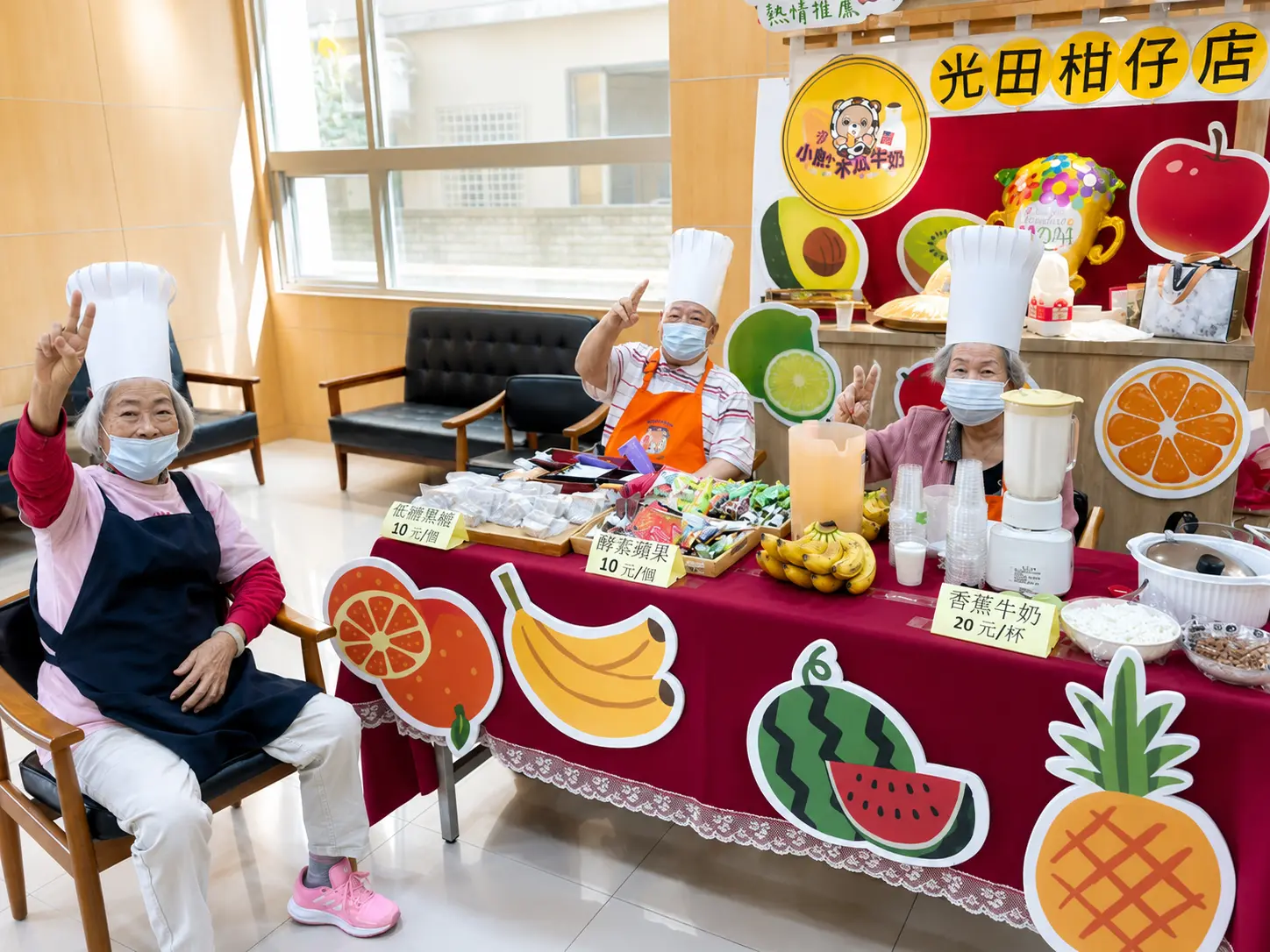
2012 "Exploring Nursing Students' Perceptions and Readiness Regarding Caring for Elderly with Dementia." Presented at the 28th Nursing Research Conference and Cross-Strait Nursing Academic Exchange. -Dec 2014 "Nursing Experience of Applying the Validation Approach to an Older Adult with Dementia." Chang Gung Nursing Journal. -May 2017 "Effectiveness of an Activity Program on Improving Muscle Strength and Reducing Falls among Older Adults in a Day Care Center." Taiwan Association of Long-Term Care Professional Education. -Apr 2018 "Nursing Experience of Caring for an Institutionalized Patient with Moderate Dementia." Taiwan Association of Long-Term Care Professional Education. -2018 Excellent Poster Award: "Innovative Services in Dementia Life Care and Non-Pharmacological Therapy Utilizing Smart Technology." -2024 "Reducing the Frailty Rate of Older Adults with Dementia in Day Care Centers." First Place in Quality Management, 7th Academic Symposium and Care Competition of the Nursing Home Association / Published in Nursing Home Quarterly, Issue 12, ISSN: 2958-1451. -2024 "Nostalgic Grocery Store: One-Day Manager, Follow Me!" First Place in Activity Planning, 7th Academic Symposium and Care Competition of the Nursing Home Association / Published in Nursing Home Quarterly, Issue 12, ISSN: 2958-1451.
After 3 months of learning therapy intervention, the results indicated that: (1) Neuropsychiatric Inventory (NPI): The mean score of the experimental group was significantly lower than that of the control group (0.48 vs. 2.57). This indicates that the symptom severity in the control group was higher than that in the experimental group, reaching a statistically significant difference (t = -5.350), (p = 0.000).
Mini-Mental State Examination (MMSE): The experimental group showed improvement in the post-test results, whereas the control group showed a decline. After receiving learning therapy, the mean MMSE score of the experimental group was significantly higher than that of the control group (15.70 vs. 14.14), reaching a statistically significant difference (p < 0.001).
Year 2023 (112):Fall rate 0.02%, equivalent to the 75th percentile of the TCPI peer group.
•Year 2024 (113): Fall rate0.01%, equivalent to the 25th percentile of the TCPI peer group. •Year 2025 (114): Fall rate0.02%, equivalent to the 50th percentile of the TCPI peer group.
2023 Institutional Service Satisfaction: 91.8%
2024 Institutional Service Satisfaction: 91.5%
2025 Institutional Service Satisfaction: 93.9%
Long-term partnership with Hungkuang University to conduct Basic Training Programs for Care Attendants.
• Collaborative internships with Hungkuang University, Central Taiwan University of Science and Technology, and various other universities—providing practical training fields for students in Nursing, Long-Term Care, Social Work, Healthcare Business Administration, and Senior Service Management.
• Recipients of the MoHW Excellence Award for the Residential Care Service Quality Improvement Program (2020–2023).
Approved for the MoHW Residential Care Institutional Quality Incentive Program (2024–2025).