Recurrent ureteral stricture with hydronephrosis
Post-radiation ureteral stricture (cervical cancer)
Iatrogenic surgical ureteral injury
Post-stone or endoscopic surgery stricture
Failed multiple dilatation/incision patients
Elderly intolerant of open reconstruction
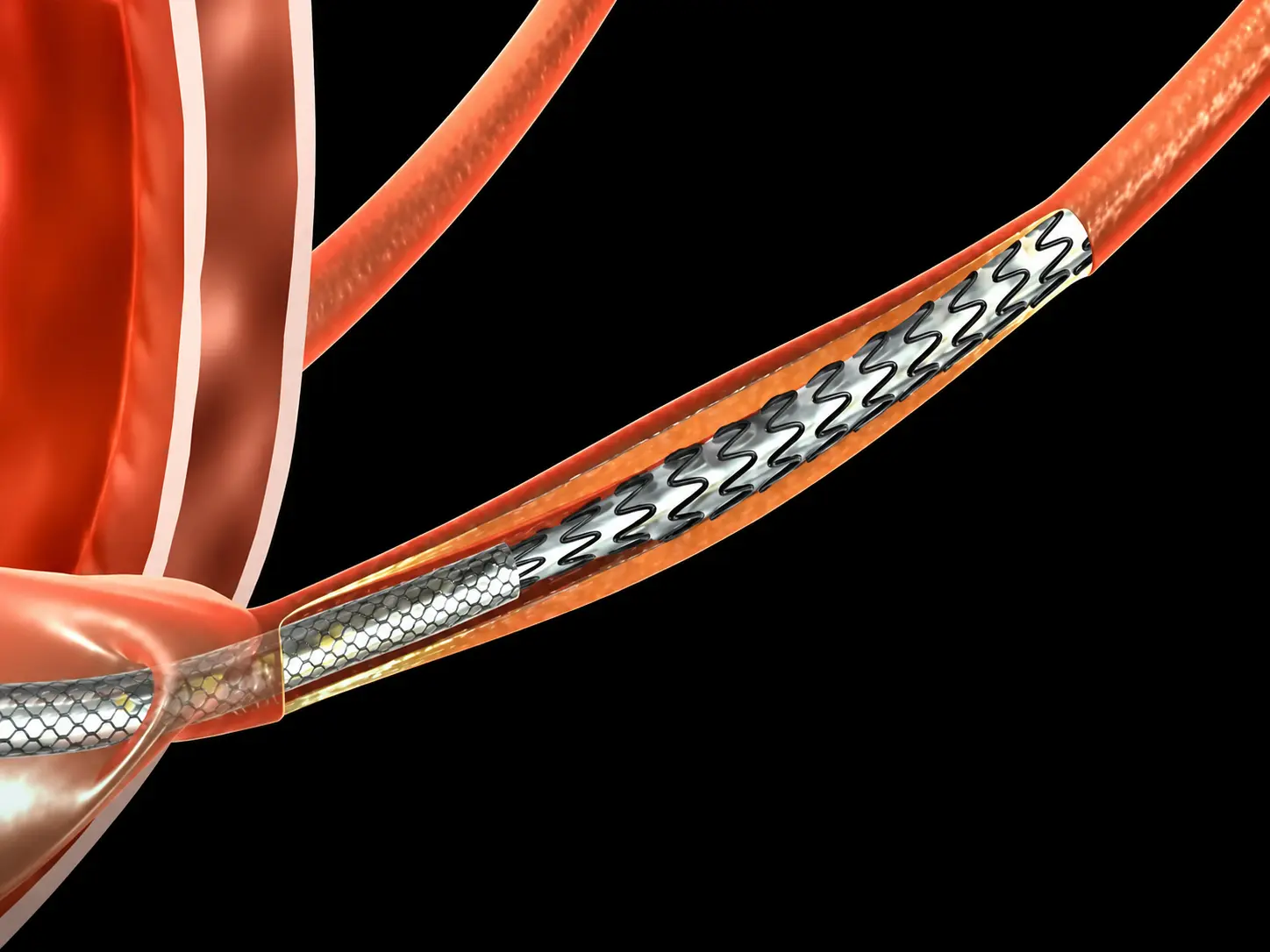
En Chu Kong Hospital, led by Vice Superintendent Chiung-Cheng Wang, completed Taiwan's first ureteral self-expanding metallic stent (Allium stent) placement, providing minimally invasive treatment with the shortest hospital stay for refractory ureteral stricture patients. Inspired 7 years ago by a 57-year-old post-cervical-cancer patient with recurrent stricture, the team optimized the manufacturer's instructions, became the first in Taiwan to receive IRB approval, and expanded to 14 hospitals with 27 physicians participating. 21 cases completed with average 24-month follow-up. The standardized protocol includes pre-admission SDM and anesthesia assessment, in-hospital endoscopy-guided placement under general anesthesia, and 3-6 month routine follow-up post-discharge. Outcomes at 24-month average: 81.0% success (17 cases), 4.8% improvement (1 case), only 7.7% failure. Taiwan's first SCI publication on this topic, with invited talks at NTUH and TUA.
Taiwan's first Allium stent placement
Optimized manufacturer's instructions
First IRB approval in Taiwan
Endoscopic placement, minimal invasive
14 hospitals, 27 physicians collaboration
The first peer revew paper in Taiwan
26 patients
Execution rate 100%; failure rate 0%
26 patients with mean 24 months followup
Success treatment was noted in 18(69.2%) patients, improvement in 5(19.2%) patients and failure in 3(11.5%) patients.
Above-average international success rate
Stent migration rate: 14.3% (intl 4.3-26.7%)
Stent obstruction rate: 9.5% (intl 0.9-39.1%)
No mortality or major complications
Safe GA endoscopic operation
Detailed records & regular case conferences
Regular equipment maintenance
100% positive feedback
Mininal invasive, minimal pain
Short length of stay, rapid recovery
Patient favored minial therapy
High follow-up compliance
Taiwan's first Allium stent paper
The results were similar with those of Israel, Italy, China, UK reports.
Provides novel alternative for refractory ureteral stricture
No need for multiple and repeated operation
Shorten length of stay , reduce medical burden
Expands influence through experience sharing