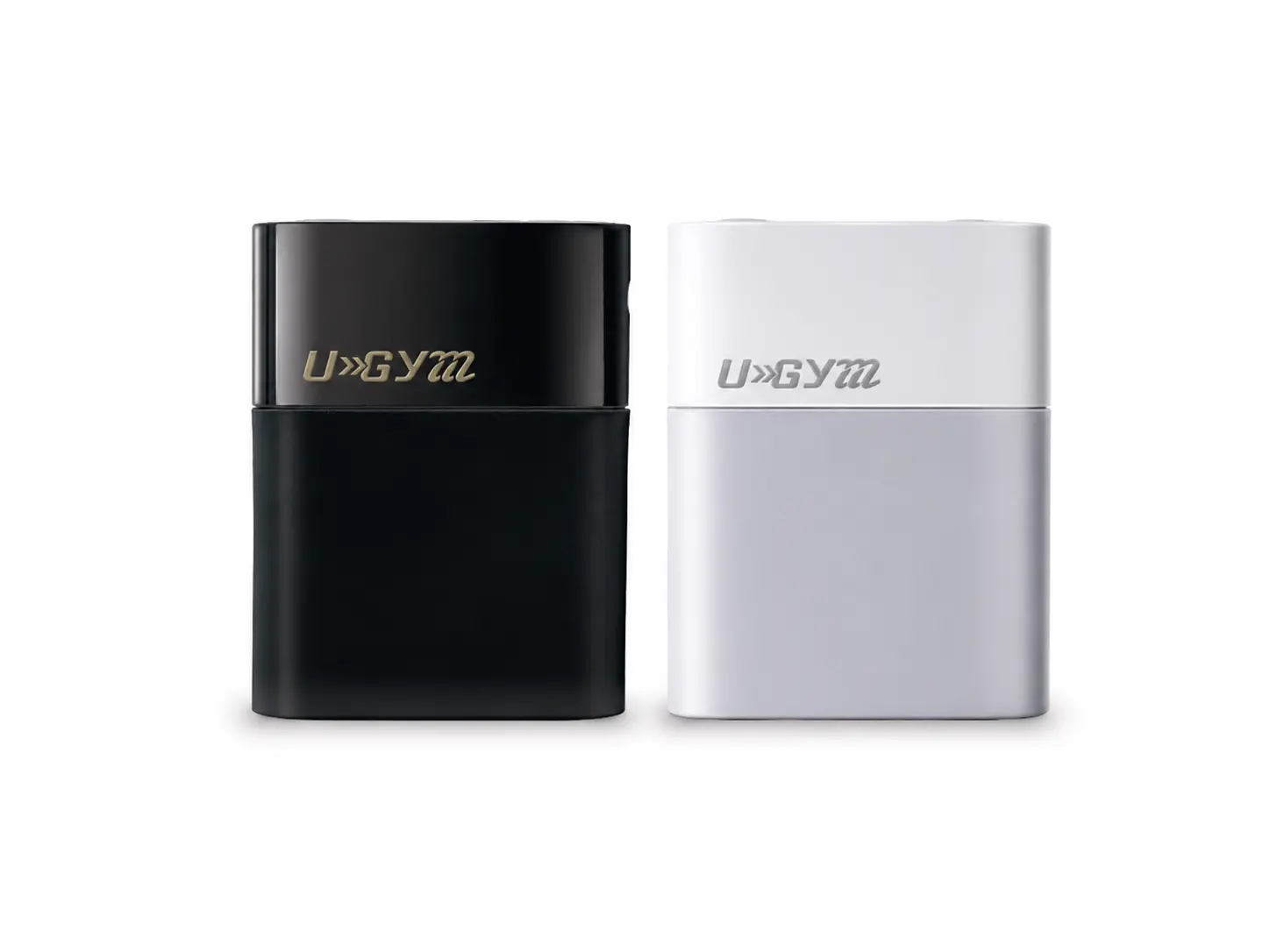
【Product Model】UG02-BLE-X Series 【Product Description】 TENS: Transcutaneous Electrical Nerve Stimulator The operating principle of this product is based on middle frequency square wave electrotherapy to adjust different frequencies and intensities so to create varying sensations, similar to the effects of pressing, kneading, and beating. Works by electrically stimulating the patient’s peripheral nerves in order to relieve pain symptoms.
【Indications】 Relieve shoulder, upper back, waist pain and peripheral nerve paralysis. 【Product Efficacy】It can relieve pain in the shoulders, upper back, waist and peripheral nerve paralysis.
【Product Description】
EMS: Electronic Muscle Stimulation
The operating principle of this product is based on square waves and adjusted in line with different frequencies and intensities to produce intermittent and continuous muscle contraction effects, stimulate muscle contraction and relaxation. The contraction effect produced by muscles can promote local blood circulation.
【Indications】Muscle re-education, muscle strength training, and promotion of local blood circulation.
【Product Efficacy】 After use, it can help muscle re-education, muscle strength training, and promote local blood circulation.
The product also integrates Bluetooth connectivity, allowing for operation, parameter settings, and usage record management via an app, enhancing technological interactivity and efficiency.
Taiwan TFDA Class II Medical Device Certification License No.: 衛部醫器製字第 008437 號.
Thailand Medical Device Approval License No.: 68-2-2-2-0012599.
International market expansion is ongoing, with regulatory and certification applications currently in progress in Thailand, Vietnam, the Philippines, Malaysia, and Japan.
UGYM Technology Corp.
Product designed, developed, and manufactured in Taiwan.
UGYM is responsible for R&D, firmware programming, quality management, and regulatory verification.
Production is managed through supervised contract manufacturing with in-process quality inspection.
Core hardware, software, and firmware are internally developed and controlled.
The product follows a medical device design control process including requirement definition, risk analysis, functional verification, design validation, and production verification.
Verification items include:
Electrical safety, output current/voltage, waveform stability, and insulation tests.
EMC testing to reduce electromagnetic interference.
Biocompatibility testing for skin-contact materials.
Firmware and software validation for mode switching, timing, Bluetooth communication, and anti-freeze protection.
APP verification for therapy records, pain assessment, exercise modules, and data synchronization.
Overheating protection and lithium battery safety testing.
The system is developed in accordance with ISO 14971 risk management principles and references IEC 60601, IEC 62304, IEC 62366, and ISO 10993 standards.
Clinical service validation with Chang Gung University demonstrated reduced pain medication frequency, increased exercise duration, and improved user satisfaction in middle-aged and senior low back pain users.
Quality control covers incoming inspection, in-process inspection, finished product inspection, and outgoing inspection. QC implementation includes:
IQC for electronic components, Bluetooth modules, lithium batteries, electrodes, and housing materials.
IPQC for assembly, soldering quality, firmware programming, and functional testing.
FQC for waveform output, intensity control, button operation, Bluetooth connection, and charging tests.
OQC for appearance, packaging, labeling, and final functionality confirmation.
The quality system applies CNS 2779 Z4006 Level II sampling and AQL control standards, supported by:
Document control
Supplier management
CAPA procedures
Internal and external audits
Annual management review
Key performance indicators include defect rate, complaint rate, repair rate, and CAPA completion rate to maintain product consistency and reliability.
A comprehensive risk management system is established based on ISO 14971, covering incoming materials, manufacturing, finished products, and post-market stages.
Risk management activities include:
Hazard identification and risk analysis
Risk evaluation and classification
Risk control implementation
Residual risk assessment
Post-market monitoring and continuous improvement
FMEA is applied during manufacturing to reduce risks related to component failure, unstable output, overheating, and operational misuse.
Safety measures include:
Self-inspection and process audits
Thermal protection and automatic shutdown
Hardware and software verification
User-oriented safety design
Adverse event reporting and tracking
Cross-functional teams from R&D, QA, manufacturing, and customer service jointly manage complaints, abnormal events, and corrective actions to ensure product safety and stability.
A post-market surveillance system is implemented to ensure product safety, functional stability, and user satisfaction.
Management activities include:
Customer service and after-sales feedback collection
User questionnaires and satisfaction surveys
Adverse event reporting and tracking
Firmware and APP updates
Product issue analysis and improvement
Annual risk reassessment
The APP records therapy mode, usage duration, pain evaluation, and exercise data for long-term monitoring and service optimization.
Incident handling procedures include:
Minor events: documentation and monitoring
Moderate events: immediate corrective action
Serious events: product suspension, recall initiation, and regulatory reporting
CAPA procedures are also implemented to reduce recurring quality issues and market risks.
Taiwan utility model patent “Electrical Stimulation Device” has been approved and entered certificate issuance procedures.
U.S. utility model patent application for “Electrical Stimulation Device” is under examination.
UGYM trademarks are registered in Taiwan, Singapore, and the EU.
Trademark applications in the U.S., Thailand, and Malaysia are under review.
Core technologies include:
Mid-frequency interference stimulation technology
Digital programmable waveform design
Bluetooth APP integration
Modular firmware upgrade architecture
Therapy data recording and remote management
Firmware programming and cybersecurity protection are internally managed with anti-copy protection mechanisms to safeguard product security and intellectual property rights.