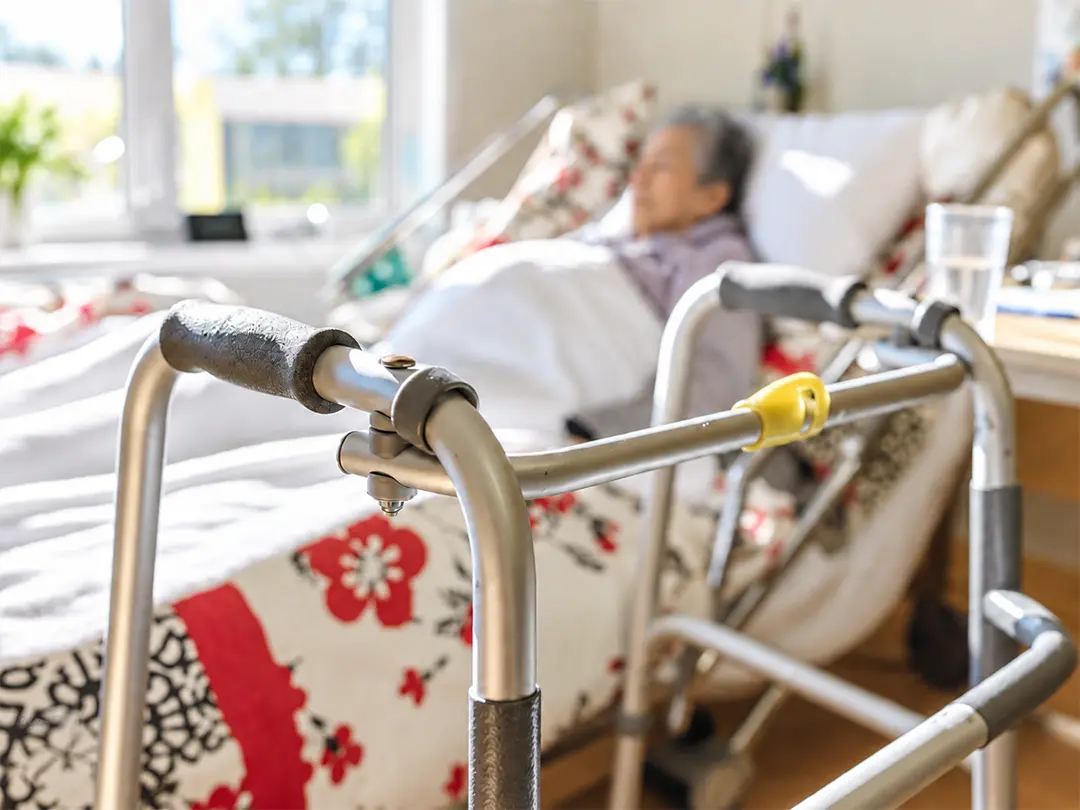
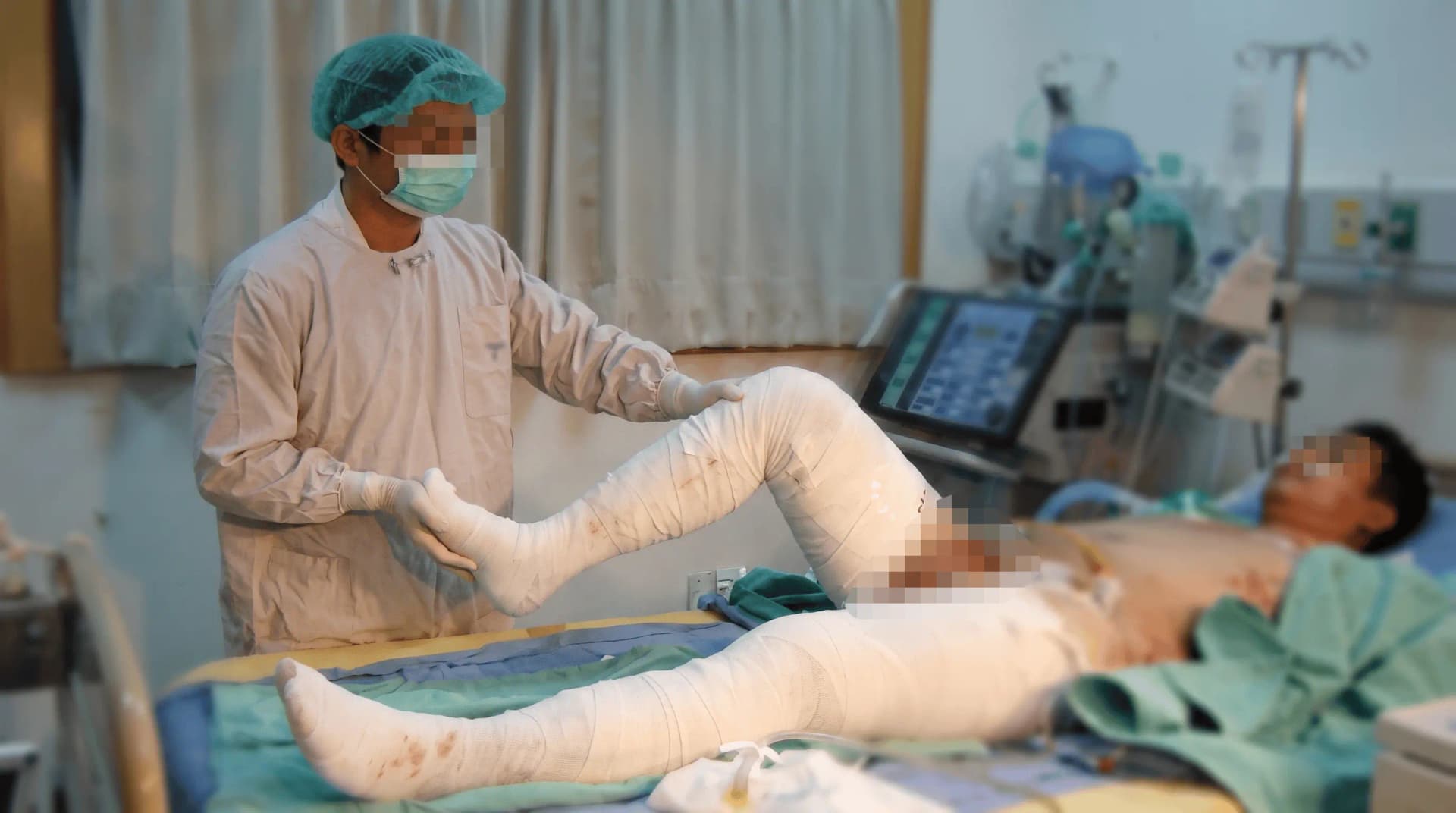
The service targets all hospitalized patients. Nurses conduct daily assessments based on the hospital Fall Risk Assessment and Record Procedures, which include evaluations of risk factors such as consciousness, mobility, excretion status, physical condition, medication use, and muscle tone. Patients identified by nurses as high-risk fall candidates undergo further evaluation. For medication-related risk, the hospital system automatically evaluates fall risks based on the patient's current medications. For patients using self-prepared medications, nurses manually select special medication items for evaluation.
Patients with a fall risk assessment score of 15 points, or those identified as high-risk for falls by nurses, receive an individualized nursing care plan labeled Potential Fall Risk. This includes implementing relevant nursing guidance and preventive measures. For patients who fall, nursing care plans and records are adjusted accordingly.
Preventing patient falls has been an important patient safety goal promoted by the Ministry of Health and Welfare since 2004. It is also a common and serious issue in healthcare institutions. Falls can cause physical injuries, loss of bodily functions, or inability to perform independent activities. They can extend hospital stays or lead to medical disputes and increase the pressure on healthcare personnel to care for patients. Therefore, correctly and thoroughly implementing fall prevention measures and reducing injuries is an urgent and important issue.
Our hospital places great importance on the goal of preventing patient falls and reducing injury severity. Through sustainable development indicators, we implement various ESG (Environmental, Social, and Governance) measures, such as ensuring a well-lit environment and equipping the hospital and wards with accessible and safe facilities. We have established comprehensive standard operating procedures and guidance tools. When patients are admitted, nurses use a high-risk fall assessment to identify those at high risk of falling. We provide fall prevention education to patients and their families, engage in cross-disciplinary discussions and care, and use smart medical assistive devices to comprehensively prevent falls and reduce injuries, thereby improving the quality of care.
Medical team members include doctors, nurses, pharmacists, nutritionists, rehabilitation therapists, social workers and discharge preparation service personal managers to provide professional patient care.
From 2024 to 2025, the hospital recorded an average of 6,978–7,000 inpatient days per month, providing comprehensive fall prevention services to all hospitalized patients. From 2024 to 2025, an average of 6,533 fall prevention education sessions were provided each month. All inpatients underwent fall risk assessments upon admission, whenever their condition changed, and following any fall event. High-risk patients received individualized fall prevention interventions and interdisciplinary care. From 2024 to 2025, the hospital served an average of 34,833 outpatient visits per month. Fall prevention educational videos were regularly broadcast in outpatient waiting areas and on digital display screens to promote fall prevention awareness and community health education. From 2024 to 2025, the inpatient fall rate was 0.40‰, exceeding the hospital’s performance target of ≤0.50‰ and demonstrating the effectiveness of the hospital’s fall prevention program.
From 2024 to 2025, the inpatient fall rate remained between 0.36‰ and 0.05‰, consistently performing better than the national average for regional hospitals (0.6‰–0.7‰). The fall-related injury rate in general wards was 28.33%, reflecting the effectiveness of the hospital’s comprehensive fall prevention interventions in reducing patient harm and enhancing patient safety outcomes.
The hospital places great importance on fall prevention as a key patient safety indicator. Fall incidents are reviewed and analyzed by the Nursing Quality Improvement Committee, while the Medical Quality and Patient Safety Committee conducts quarterly reviews of patient safety goals, including fall prevention, and develops improvement strategies to continuously enhance the quality of care. To ensure patient safety through continuous monitoring of critical nursing quality indicators, the Department of Nursing establishes quality monitoring indicators based on national patient safety goals issued by the Ministry of Health and Welfare, external accreditation standards (including hospital accreditation, health authority evaluations, and cancer care quality certification standards), and internal nursing quality performance outcomes. Quarterly audits are conducted to evaluate the accuracy of inpatient fall prevention nursing practices and the effectiveness of fall prevention education for high-risk patients. From 2024 to 2025, compliance rates consistently achieved 100%, meeting the department’s established targets. The Nursing Quality Improvement Committee convenes every two months to review identified issues and implement corrective actions through PDCA cycles and continuous quality improvement activities. From 2024 to 2025, the average inpatient fall rate was maintained at 0.4‰, achieving the department’s performance target.
The hospital provides a patient feedback mailbox to allow patients and their families to express opinions and suggestions. Inpatient satisfaction surveys are conducted regularly and include 34 items covering five domains: hospital environment and facilities, staff service attitude, healthcare processes, administrative efficiency, and service outcomes. An open-ended section is also provided for additional comments and recommendations. Satisfaction is measured using a five-point Likert scale, ranging from 1 (very dissatisfied) to 5 (very satisfied). From 2024 to 2025, the overall patient satisfaction score averaged 85.4 points, reflecting a high level of satisfaction with the quality of care and services provided by the hospital.
Established a hospital-wide standardized fall prevention care model through fall risk assessment, interdisciplinary collaboration, and individualized interventions, effectively reducing the risk of patient falls and fall-related injuries. Continuously monitored fall-related injury events and conducted case analyses and improvement initiatives, reducing the risks of injury, disability, prolonged hospitalization, and potential medical disputes resulting from falls. Enhanced patients’ and caregivers’ awareness of fall prevention and self-care capabilities through fall prevention education, diversified educational tools, and patient engagement strategies, thereby improving safety and satisfaction during hospitalization. Established an interdisciplinary care model involving physicians, nurses, pharmacists, dietitians, rehabilitation therapists, and discharge planning case managers, improving quality of care and consistency of healthcare services. Implemented intelligent bed-exit alert systems, AI-assisted educational tools, and integrated information systems to enhance patient safety while reducing the workload of frontline healthcare professionals. Promoted the sharing of fall prevention care experiences and continuous quality improvement initiatives, fostering a culture of patient safety and serving as a reference model for healthcare institutions seeking to reduce falls and fall-related injuries.