Critical patient
Amid population aging and the impact of emerging infectious diseases, the demand for critical care in intensive care units (ICUs) continues to rise. Clinical practice faces challenges including rapidly changing patient conditions, workforce shortages, and heavy documentation burdens. To enhance care quality and operational efficiency, the Integrated Clinical Information and Intelligent Application System for the ICU was officially implemented in August 2024. Centered on patient care, the system integrates medical history, real-time physiological monitoring, laboratory data, and imaging results through a modular design and standardized data interfaces. It provides a shared, one-stop patient information platform for physicians and nurses, supporting timely clinical decision-making, interdisciplinary communication, and rapid adaptation of newly recruited staff.
Following implementation, over 140,000 physiological monitoring records were automatically imported, significantly reducing manual documentation time and minimizing the risk of errors. The system resulted in cumulative labor cost savings exceeding NT$8 million, while also contributing to energy conservation and carbon reduction. Clinical outcomes demonstrated shorter average lengths of stay, improved bed occupancy rates, and a substantial increase in staff retention among new employees from 40% to 92%. In addition, positive improvements were observed in patient safety culture, job satisfaction, and team collaboration. Regarding care quality, medication administration errors markedly decreased, and the ventilator-associated pneumonia (VAP) infection density declined to 0‰ in 2025, outperforming both national and international benchmarks. These results indicate that the system effectively enhances the quality of intelligent critical care and holds strong potential for broader implementation.
Automatic Integration of Physiological Monitoring Data: Real-time integration of data from multiple physiological monitoring devices reduces manual transcription and input errors, improving data timeliness and accuracy.
Standardized Care Documentation Modules: Clinical care workflows are structured into standardized modules to ensure consistency in care delivery and to help newly recruited staff quickly become familiar with standard operating procedures.
Automated Medication Dose Calculation: Patient weight and infusion rates are automatically incorporated to accurately calculate medication concentrations, minimizing manual conversion errors and enhancing medication safety.
Intelligent Dashboard Display: Vital signs, laboratory results, and examination data are consolidated into a single interface with customizable modules, enabling faster and more effective clinical decision-making.
Intelligent Error-Prevention Alert Mechanisms: Features include abnormal value alerts, interlocking safeguards, mandatory field prompts, and catheter duration alerts to reduce clinical operation risks.
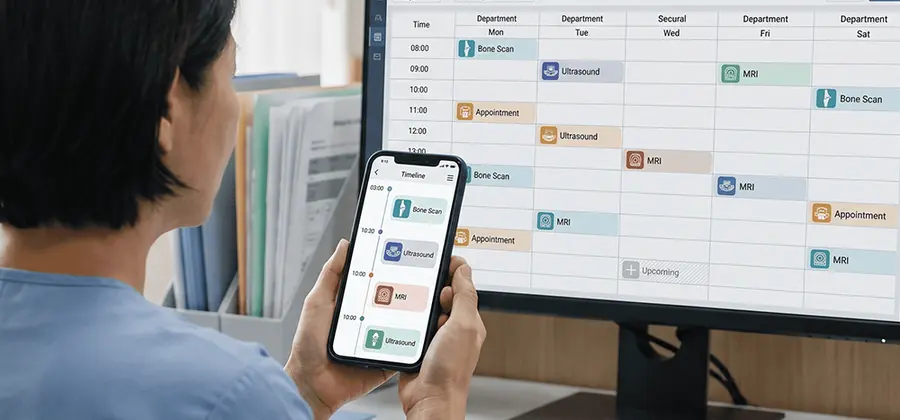
Real-Time Remote Assessment Support: Through mobile devices, data can be entered and synchronized in real time, facilitating interdisciplinary communication and collaboration while improving efficiency and timeliness of care.
The ICU bed occupancy rate increased from 67.99% in 2022 to 88.42% between January 2025 and April 2026, indicating improved resource utilization.
A total of 146,327 physiological monitoring records were automatically imported between August 2024 and April 2026, enhancing data quality and clinical efficiency.
Unplanned ICU readmission within 48 hours: 0.31% (better than peer hospitals’ 0.52%)
New staff retention rate: 40% in 2024 → 92% in 2025
Medication Error Rate: 0.003% in 2024 → 0.001% in 2025 VAP (Ventilator-Associated 2.Pneumonia) Incidence Density: 0.3‰ in 2024 → 0‰ in 2025
Nurse Compliance Rate for Central Venous Catheter Care: 90.40% in 2024 → 98.38% in 2025
Clinical team system satisfaction: 4.23/5
Overall inpatient satisfaction: 4.4/5
Nursing service attitude: ≥4.32/5
ICU VAP infection density in 2025 decreased to 0‰, outperforming most domestic hospitals and below international benchmarks.
Compared with peer hospitals, this system offers the most comprehensive functions, including data integration, decision support, medication safety, and remote management, fully supporting smart critical care.
Nursing documentation time: Reduced from 30 minutes to 10 minutes per record, saving 20 minutes each, with a total labor time saved of 48,776 hours.
Estimated labor cost savings: Based on 48,776 hours saved, approximately NT$8,243,144.
Paper savings: 146,327 sheets (≈293 reams of A3 paper), reducing paper costs and carbon footprint by about 2.2 tons.