All medical units in the hospital.
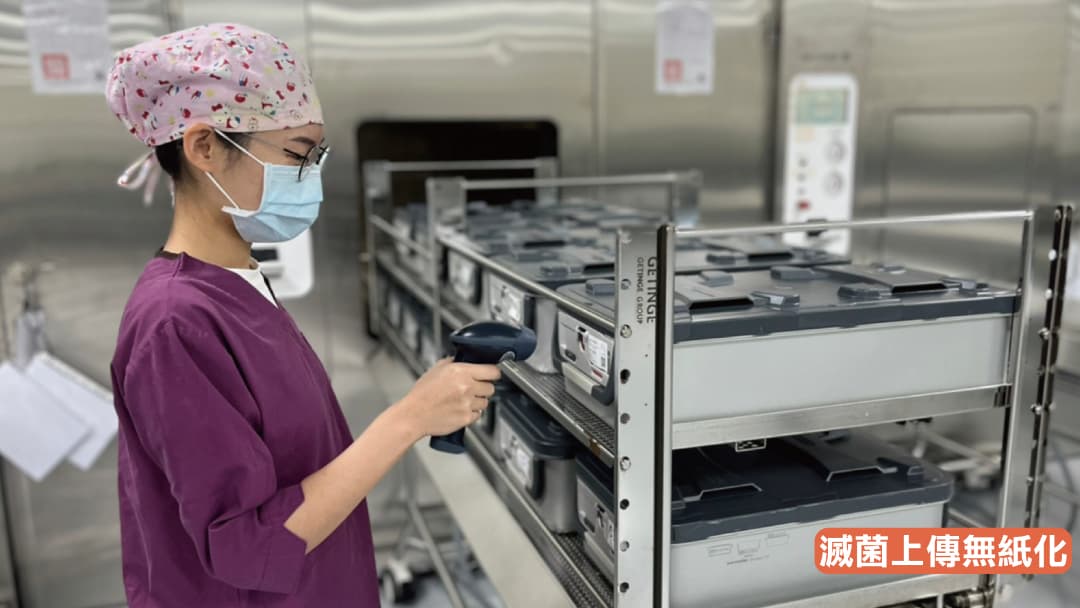
The Surgical Single Instrument Intelligent Management and Sterilization Tracking System ensures precise tracking and management of each surgical instrument. By assigning a unique barcode to every instrument, it enables comprehensive monitoring and management across the processes of collection, cleaning, sterilization, and distribution. This significantly improves efficiency and prevents confusion or errors caused by similar instruments.
The system integrates cleaning and sterilization functions, automatically receiving monitoring data from equipment to ensure the cleanliness and sterilization quality of instruments. It also achieves paperless operation, reducing cumbersome records and human errors.
With precise tracking capabilities, the system can quickly identify contaminated instruments, minimizing the risk of hospital-acquired infections. Additionally, it includes an intelligent education module to support self-learning for medical staff, further enhancing patient safety. By optimizing the workflows of the Sterile Supply Center, the system achieves full automation and traceability, reducing surgical delays and infection risks.
This system demonstrates Pingtung Veterans General Hospital’s commitment to innovation in smart healthcare and dedication to patient safety, ensuring the safest and most reliable medical services for every surgical patient.
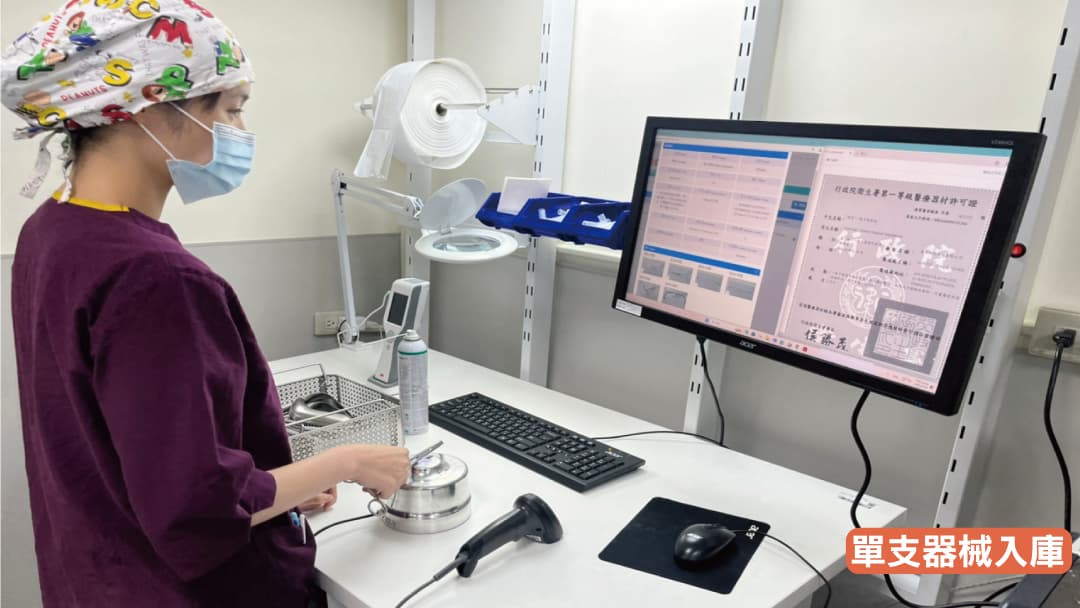
Unique Instrument Identification: Assigns a unique barcode to every surgical instrument, enabling precision tracking at the individual unit level and eliminating identification errors.
End-to-End Traceability: Monitors the full lifecycle, from decontamination and cleaning to sterilization and distribution. Enables instant source tracing for specific instruments and their associated sterilization parameters during infection investigations.
Automated Data Integration: Seamlessly syncs with sterilization equipment to capture and log critical parameters like temperature and pressure, ensuring compliance and eliminating manual documentation errors.
Paperless Operations: Transitions from traditional logbooks to a digitized platform, significantly reducing administrative overhead while increasing data accuracy and searchability.
Optimized CSSD Workflow: Streamlines operations within the Central Sterile Supply Department, accelerating instrument turnaround times and reducing surgical delays for enhanced operational efficiency.
Covers 30 hospital units including ER, OR, and ICU.
15,049 surgical single instruments equipped with QR codes.
Digital inventory established for 2,144 trays across 11 specialties.
Successfully equipped 305,060 surgical trays.
Executed 10,689 paperless sterilization monitoring cycles.
Successfully linked 934,292 surgical instruments to patient medical records.
805 hospital staff participated in the e-learning training platform.
Tray packing error rate at 0%.
Packing time reduced by 70%.
Record time reduced by 99.5%.
Save 2.89M TWD nursing costs.
Save 230K TWD in monitoring.
Precise instrument Medical Record Number tracing.
Auto-intercept abnormal items.
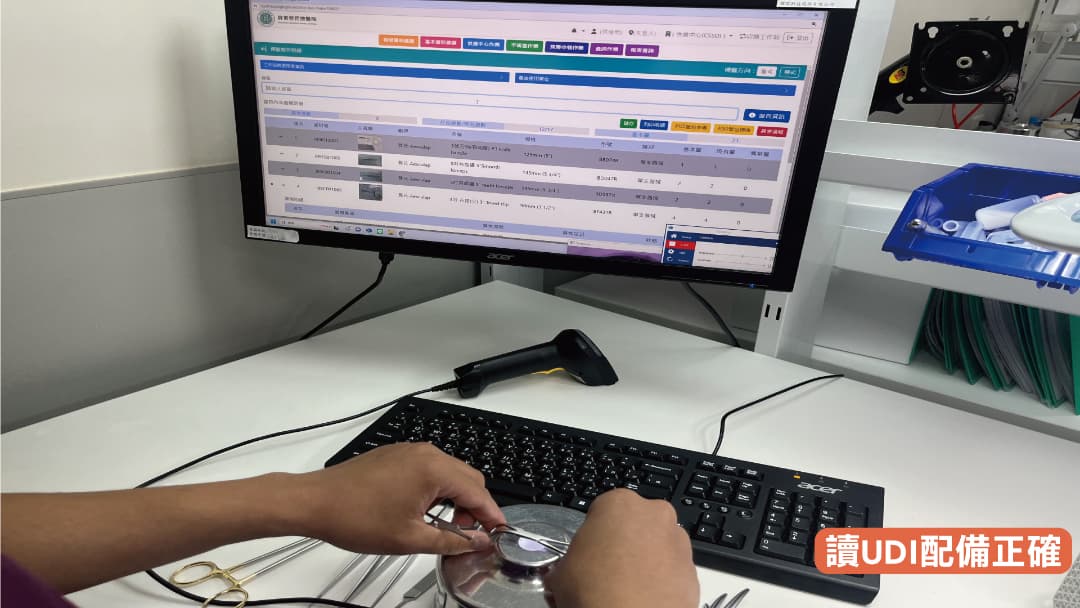
UDI scans show permits & IFU.
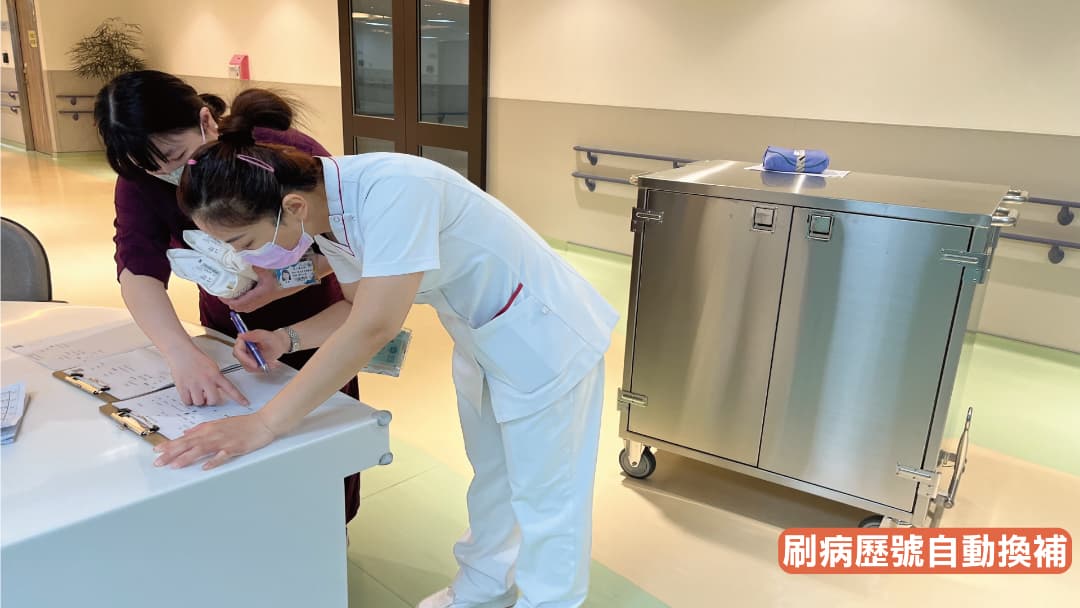
Auto-replenishment via Medical Record Number.
19 global hospital visits.
205 visitors from 107 sites.
100% digital training rating.
Received NHQA Quality Seal.
Obtained 1 invention patent.
Obtained 3 utility patents.
2024 HSPA poster presentation.
2024 APSIC oral presentation.
2025 AORN 2 poster showcases.
Lectured for 11 Viet Nam hospitals.
Enhancing Patient Safety: UDI precisely links instruments to medical records, reducing equipment error rates to 0% and ensuring full traceability for surgical safety.
Standard Establishment: Developed intelligent digital tray lists and an e-learning platform, successfully elevating professional training standards for medical staff.
Medical Sustainability: Automated data transfer for sterilization monitoring achieved completely paperless operations. This reduced recording time by 99.5% and packing time by 70%, ultimately saving over 3.12 million TWD in manpower costs annually.