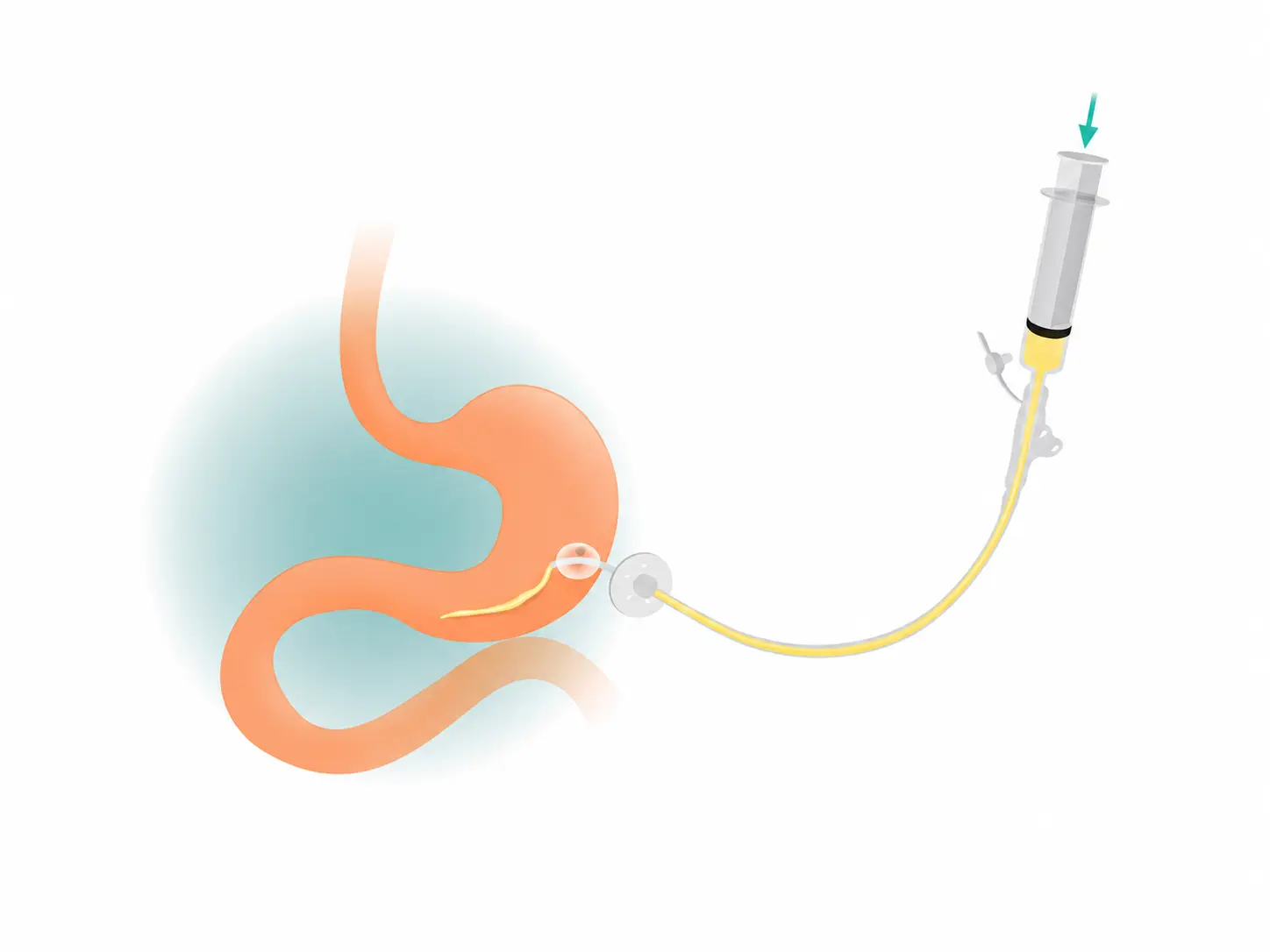
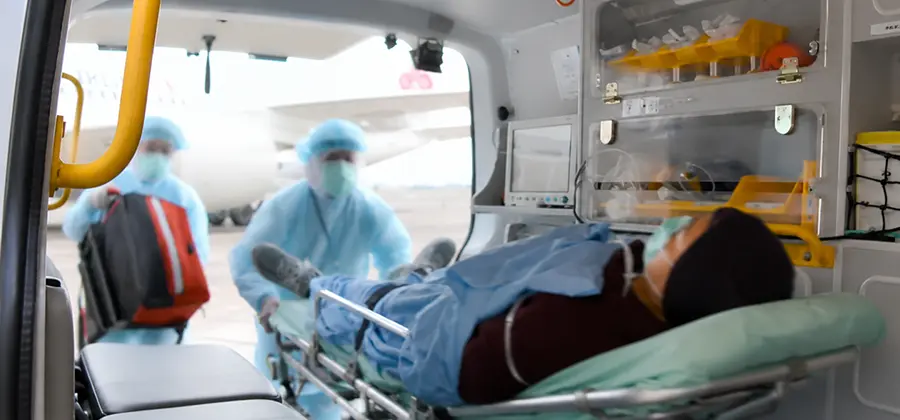
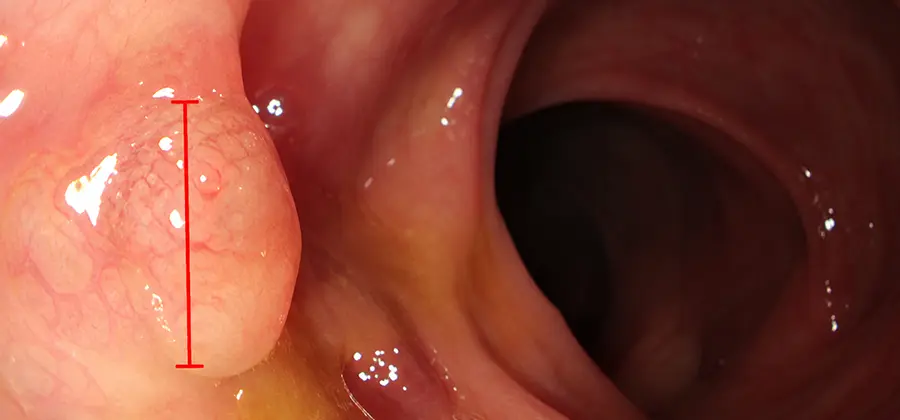
For esophageal, head and neck cancer patients or who depend on NG tube, the PEG is the better choice for nutrition support.
The PEG team integrates different department to provide high-quality and comprehensive PEG case management. For esophageal, head and neck cancer patients or who depend on NG tube, the PEG is the better choice for nutrition support during chemotherapy and radiotherapy or long-term use, the less discomfort than NG tube placement, and also improve the quality of home-care life. Our goal “SAFE”: (1) Standardization - constructing care guideline after PEG placement (2) Automatic- using automatic reminders to consult Dietitian immediately (3) Facilitation- introducing digital endoscope closed-loop management and tracking system into sterilization (4) Emergency- setting PEG case manager to solve problem effectively and instantly. Provide high-safety, highly accessible, highly integrated PEG care and case management to reverse nutrition, and renew the life bravely.
Introduction of a Digitalized Endoscope Closed-Loop Management and Tracking System : Percutaneous endoscopic gastrostomy (PEG) is a safe procedure performed via endoscopy. However, high-performance cleaning and management of endoscopic equipment form the foundation of effective infection control. Our hospital has implemented a QR Code and endoscope closed-loop management system to digitalize endoscopic cleaning operations, achieving greater efficiency and ensuring safe and high-quality equipment management.
Establishment of an Integrated, Personalized Case Manager : (1) Each patient is assigned a dedicated PEG case manager who provides a single contact point for communication. Timely text message reminders are sent for follow-up visits. If there is an urgent or early need for medical consultation, the case manager promptly coordinates with doctor to provide continuous care. (2) Accompany patients during their first follow-up visit for tube replacement, provide hands-on guidance for water balloon fixation tests, and review the procedure. Additionally, address any questions or concerns patients may have regarding feeding tube care or gastrostomy management.
Since the establishment of dedicated PEG case managers in 2016, as of June 2025, a total of 119 patients who underwent percutaneous endoscopic gastrostomy (PEG) have been referred to case managers, with a case acceptance rate of 98.3%. Among these, 57 were cancer patients (47.9%), 46 had neurological disorders (38.7%), and 16 had age-related degenerative issues (13.4%).
High Completion Rate of Tube Tracking: The PEG case manager system includes a consultation hotline (03-4941234 ext.4179). As of June 2025, the monthly average number of active cases is 25-30, with a 100% completion rate for tube tracking and monitoring.
Stable Nutritional Improvement Outcomes: As of June 2025, for patients with PEG: (1) 83.0% showed an increase or maintenance in Albumin levels (50.9% increased, 32.1% maintained).
71.9% showed an increase or maintenance in body weight (42.1% increased, 29.8% maintained).
Low Complication Rate: Since 2013 to June 2025, there were 166 case having PEG treament. The complication rate of only 0.6%, significantly lower than the reported 3%-15% in domestic and international literature.
Endoscope Cleaning and Disinfection Monitoring System: Monthly monitoring of infection control indicators for endoscopes achieved a 100% compliance rate.
Dedicated Case Management Model: Regular monitoring of PEG tube placement and replacement schedules ensures timely reminders and follow-ups, safeguarding the safety and quality of the tubes.
Automated Body Weight Monitoring Alert System: Early and accurate identification of high-risk malnourished patients enables timely referral to dietitians for nutritional intervention management.
Satisfaction with “overall quality of life improvement”: 100%
Satisfaction with “outpatient consultation process”: 88%
Satisfaction with “convenience of care”: 88%
Endoscope Cleaning and Disinfection Monitoring System: Monthly monitoring of infection control indicators for endoscopes achieved a 100% compliance rate from January to June 2025.
Dedicated Case Management Model: Regular monitoring of PEG tube placement and replacement schedules ensures timely reminders and follow-ups, safeguarding the safety and quality of the tubes.
Automated Body Weight Monitoring Alert System: Early and accurate identification of high-risk malnourished patients enables timely referral to dietitians for nutritional intervention management.