stroke patients and their supporting family care networks in the South Taoyuan region
Build a seamless stroke medical network from the community to the hospital, encompassing comprehensive continuum of care for cerebrovascular diseases, including primary prevention, secondary prevention, chronic care, and acute medical care.
National Innovative 24-Hour Toll-Free Stroke Service Hotline (0809-010995).
4 full-time dedicated Stroke Case Managers (Personal Healthcare Stewards).
Free medical shuttle service for stroke rehabilitation.
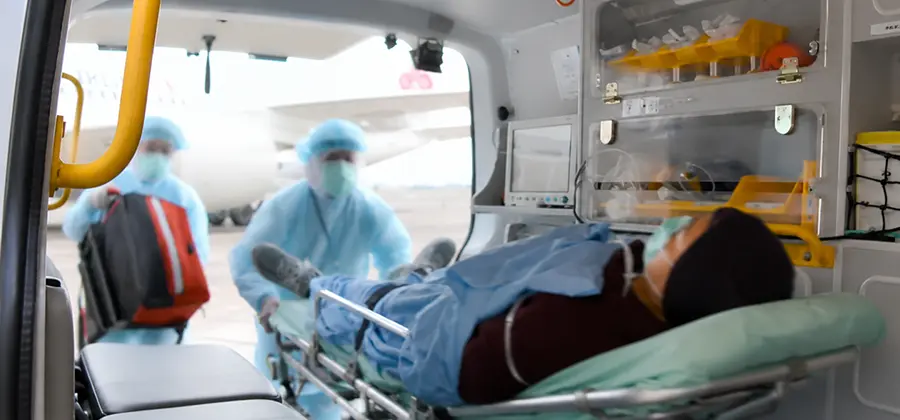
Referral and rapid feedback mechanism for acute stroke patients.
In-hospital rt-PA (thrombolysis) protocol and response team.
Dedicated specialists: 7 Neurologists and 3 Neurosurgeons.
Rehabilitation Shuttle Service: Served 7,187 patient-trips.
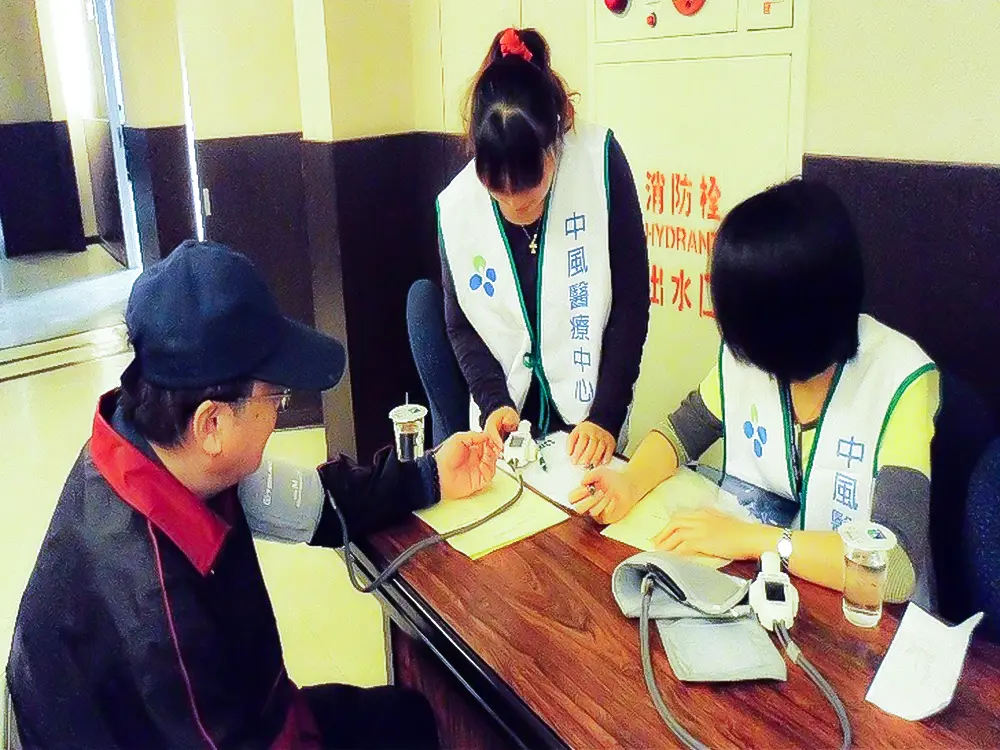
Community Screening (As of 2012): Conducted 15 events, screening a total of 381 individuals.
Early Rehabilitation: The rehabilitation rate within 72 hours of admission reaches as high as 80%.
Hotline-Driven rt-PA Referral Protocol: 2 patients; average time from onset to arrival at our hospital was 1 hour 28 minutes.
Collaborative Referral Protocol: 18 patients; average time from onset to arrival at our hospital was 13 hours 10 minutes.
General Referral Protocol: 25 patients; average time from onset to arrival at our hospital was 19 hours 32 minutes.
In-Hospital Stroke Cases (Jan 2010 – Mar 2011): 5 cases; average Onset-to-CT time was 194 minutes. 2 cases received rt-PA, with an average Onset-to-rt-PA time of 114 minutes.
In-Hospital Stroke Cases (Apr 2011 – Dec 2012): 9 cases; average Onset-to-CT time was 129 minutes. 1 case received rt-PA, with an average Onset-to-rt-PA time of 42 minutes.
Performance Excellence: Ten clinical metrics outperform those of medical centers.
Strictly monitor the completion rate of dysphagia screening to reduce the incidence of aspiration pneumonia. From 2010 to 2012, the dysphagia screening completion rates were 84.9%, 81.5%, and 83.2%, respectively, while the incidence of aspiration pneumonia successfully decreased from 11.5% and 10.5% down to 4.8%.
The customer satisfaction rate for the Stroke Medical Center reached 89%. The top three positions for staff attitude satisfaction were Attending Physicians (95.7%), Discharge Planning Coordinators (93.3%), and Stroke Case Managers (92.4%), respectively.
In 2012, Landseed Hospital's stroke care quality indicators—part of the Breakthrough Series (BTS)-consisted of thirteen measures. Among them, twelve measures (92%) outperformed the multi-center average of the Taiwan Stroke Registry platform, and eleven measures (85%) surpassed the 2011 Joint Commission of Taiwan (JCT) BTS national average data.
Expand the scale of stroke case enrollment to implement and deepen the quality of health education services.
Increase the number of cases receiving rt-PA treatment and optimize the protocol to shorten time-to-treatment.
Optimize rehabilitation management: Elevate the return-visit frequency and overall rate of rehabilitation among stroke patients.
Strengthen the tiered medical system: Improve the referral back-rate of discharged patients to their primary clinics or local medical institutions.
Deepen community-based prevention: Continuously cultivate and train community pioneers for stroke prevention and control.