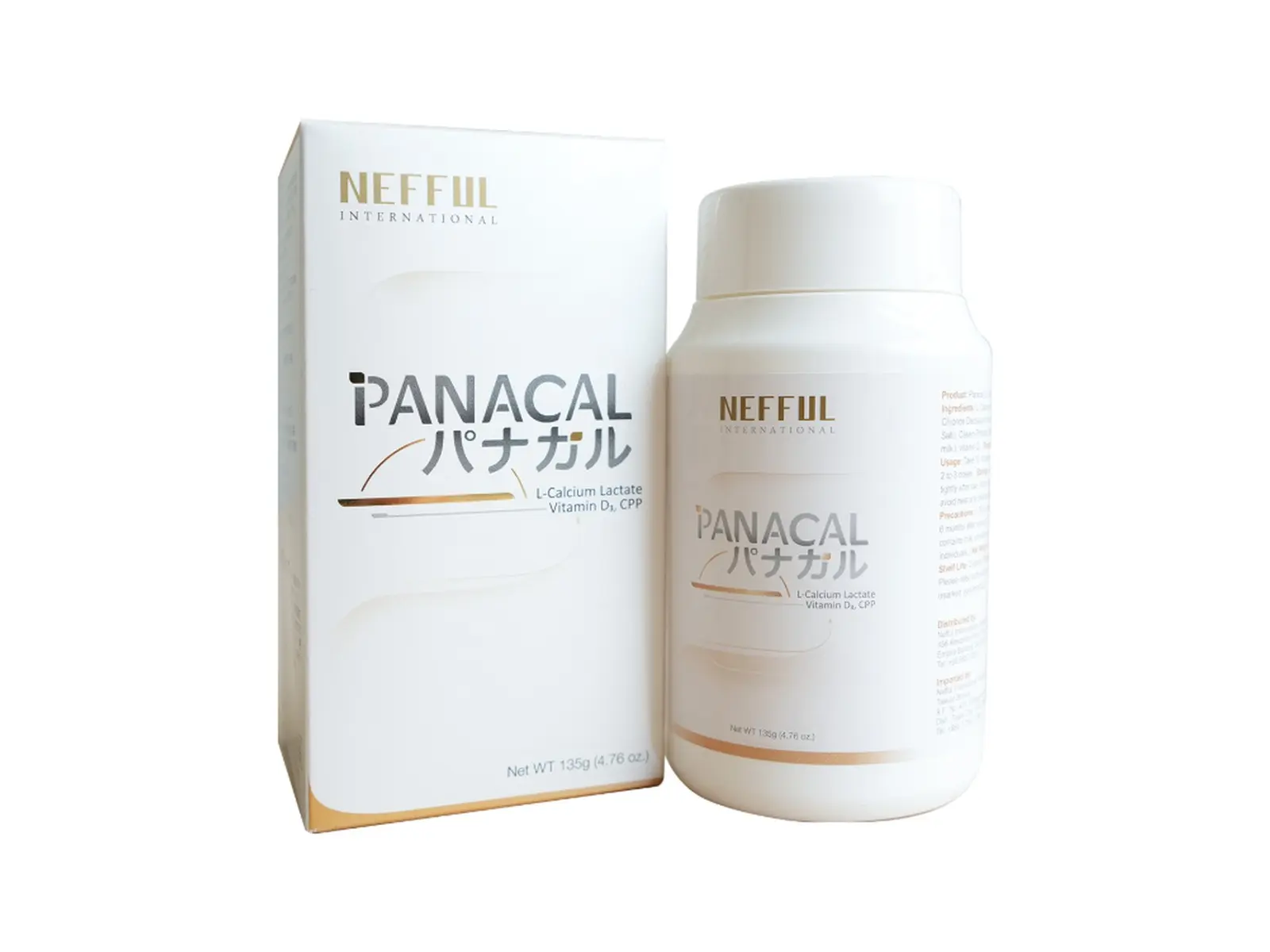
Panacal (L-Calcium Lactate) is designed to provide a high-quality source of calcium for daily nutritional supplementation. Produced through a fermentation process, L-calcium lactate serves as the key ingredient, supplying an essential mineral required for a balanced diet and healthy lifestyle.
Calcium is an important nutrient naturally found in bones and teeth and plays a role in normal physiological functions. Panacal is formulated to offer a convenient and reliable source of calcium suitable for individuals of different age groups.
Carefully selected ingredients and strict quality management standards are applied throughout the manufacturing process. Comprehensive quality and safety testing, including microbiological and heavy metal analyses, is conducted to ensure product quality, consistency, and consumer confidence.
Recognized for its quality and safety, Panacal (L-Calcium Lactate) has received the SNQ National Quality Award for multiple consecutive years. Guided by the principles of quality, safety, and responsible product development, it provides a dependable option for daily calcium supplementation as part of a balanced diet and healthy lifestyle.
L-Calcium Lactate, Sodium Chloride Decreased Brine (Inland Sea Salt), Casein Phospho Peptide (from milk), Vitamin D3
L-Calcium Lactate 94.1%
I. Post-Import Management Verify ingredient sources and manufacturer compliance, including required licenses and GMP certification.
II. Inspection and Testing Conduct sampling inspections and perform microbiological and heavy metal testing to ensure product quality and safety.
III. Warehouse Management Maintain appropriate storage conditions and apply the FIFO principle for inventory control.
IV. Traceability and Documentation Implement a product traceability system and maintain records of receiving, inspection, and distribution activities.
V. Employee Training Provide regular training on quality management, food safety, and incident response procedures.
VI. Internal Review Conduct periodic internal audits to ensure compliance and continuous improvement of the quality control system.
Microbiological and Heavy Metal Testing
I. Goods Receiving Inspection Upon receipt, product packaging, labeling, and country of origin are inspected to ensure consistency with purchase specifications. Product expiration dates and storage requirements are verified.
II. Periodic Testing Regular product testing is conducted through random sampling, including ingredient analysis and microbiological testing. Product quality may be reviewed and evaluated based on market feedback and consumer comments.
III. Production Process Monitoring Critical Control Points (CCPs) are monitored throughout the production process to prevent contamination and non-conformities. Good Manufacturing Practice (GMP) standards are implemented, including routine cleaning of production facilities and ongoing personnel training.
IV. Labeling and Advertising Compliance All product labeling and advertising materials are reviewed to ensure compliance with applicable regulations and industry standards, avoiding misleading or inaccurate claims.
V. Traceability and Recall System A comprehensive product traceability system is established to track products throughout the distribution chain and facilitate rapid identification of affected batches when necessary. In the event of a quality issue, product recall procedures are promptly initiated and consumers are notified accordingly.