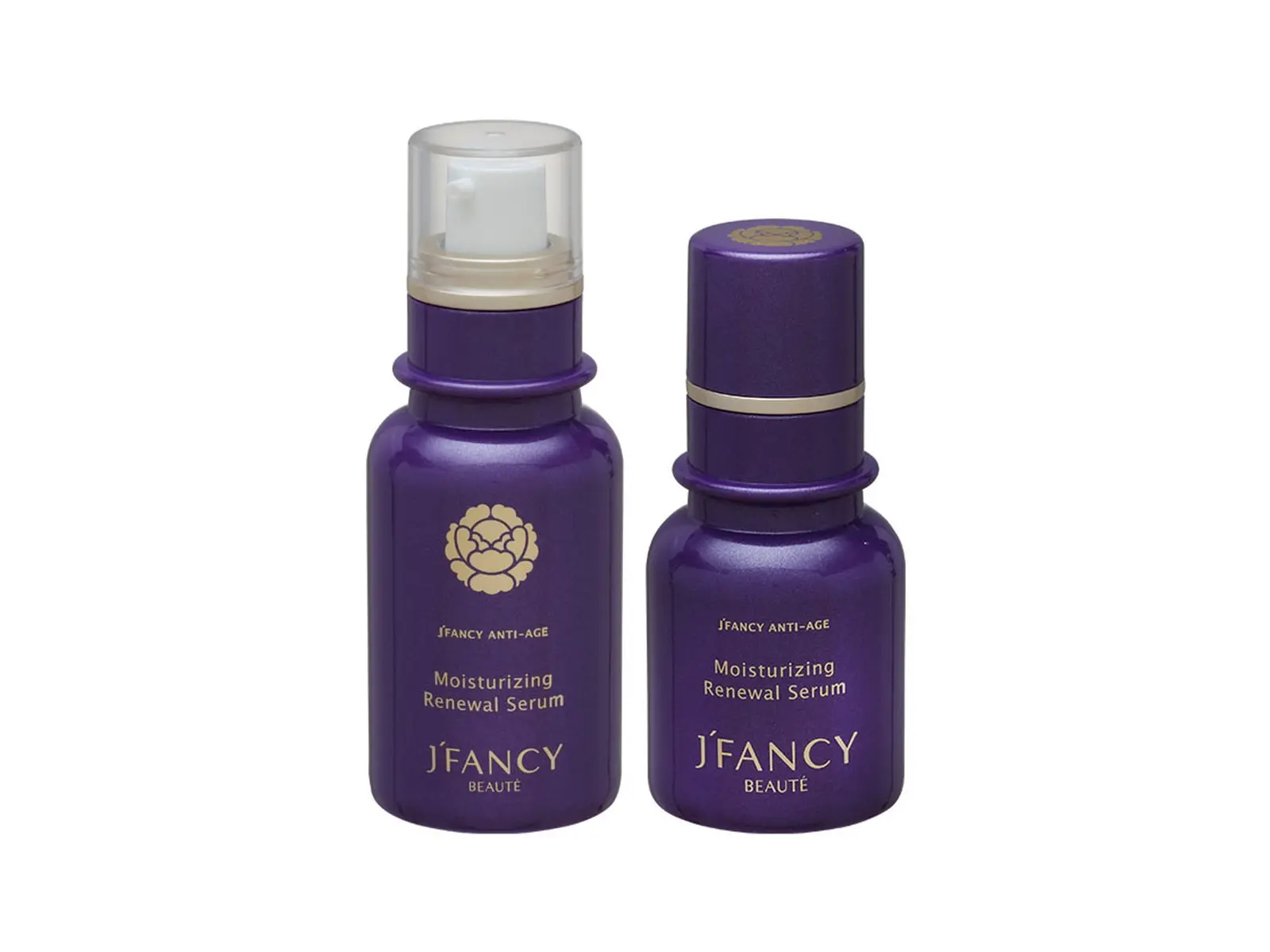
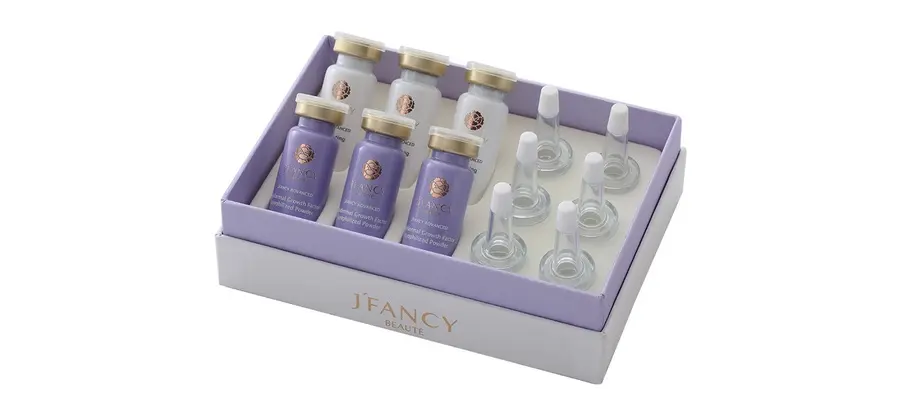
How to use: After applying toner, take an appropriate amount and evenly apply to the face and neck. Gently massage until fully absorbed. Purpose: Intensively nourishes and conditions the skin. Suitable for: Dry and rough skin, aging skin with fine lines, and post-care for minimally invasive procedures, ultrasound treatments, radiofrequency, or cosmetic surgery.
Water,Butylene Glycol,Sinorhizobium Meliloti Ferment Filtrate,Glycerin,Caprylic/Capric Triglyceride,Diethylhexyl Succinate,Cetearyl Ethylhexanoate,Potassium Cetyl Phosphate,Cetyl Alcohol,Dimethicone,Propanediol,Ornithine,Cetearyl Olivate,Sorbitan Olivate,Phospholipids,Sodium Hyaluronate,Carbomer,Phenoxyethanol,Ceramide NP,Cholesterol,Hydrolyzed Hyaluronic Acid,Glycolipids,Hydrogenated Lecithin,Allantoin,Tocopheryl Acetate,Chlorphenesin,Trisodium EDTA,Sodium Hydroxide,Phytosphingosine,Stearic Acid,Oleic Acid,Lactic Acid,Caprylyl Glycol,Caprylhydroxamic Acid,Magnesium Chloride,Tetradecyl Aminobutyroylvalylaminobutyric Urea Acetate,Cetyl Hydroxyethylcellulose,Lecithin,Palmitoyl Tripeptide-5,Palmitoyl Dipeptide-5 Diaminobutyroyl Hydroxythreonine,Paeonia Suffruticosa Root Extract
Sinorhizobium Meliloti Ferment Filtrate(2.925%)
Ornithine(0.3%)
Phospholipids(0.2%)
Sodium Hyaluronate(0.2%)
Ceramide NP(0.175%)
Cholesterol(0.15%)
Hydrolyzed Hyaluronic Acid(0.1%)
Phytosphingosine(0.075%)
Tetradecyl Aminobutyroylvalylaminobutyric Urea Acetate(0.0275%)
Palmitoyl Tripeptide-5(0.0025%)
Palmitoyl Dipeptide-5 Diaminobutyroyl Hydroxythreonine(0.0025%)
Paeonia Suffruticosa Root Extract(0.0009%)
YUNG SHIN PHARM IND. CO. LTD
The company policy ensures proper supplier selection through capability verification, source control, and written proof of compliance with quality standards. Raw materials are inspected upon receipt under Receipt and Quarantine procedures, and only those meeting specifications and purchase order requirements are accepted for production.
All manufacturing personnel share responsibility for quality. Inspections and tests follow manufacturing instruction, control procedures, and defined product specifications. Final inspectors must confirm completion of prior inspections and tests before performing finished product inspections. Quality Assurance reviews results and authorizes product release through the product release procedure. At each stage—receiving, in-process, and final inspection—accepted or rejected products are clearly identified, and nonconforming items are segregated.
All procedures and staff comply with electronic data integrity and good documentation practices, ensuring complete records and signatures for every inspection and test. Quality management and product realization processes employs statistical techniques for monitoring and measurement. In the event of abnormalities at any stage, deviation management and corrective/preventive measures are immediately applied to trace root causes, address defective products, complete investigations, and implement improvements. This ensures product conformity and enhances the quality of decision-making.
Microbiological evaluations (Each batch must be inspected)
Aerobic plate count : Not more than 10³ cfu/g or 10³ cfu/mL.
Staphylococcus aureus : Negative.
Pseudomonas aeruginosa : Negative.
Escherichia coli : Negative.
Candida albicans : Negative.
Negative. Heavy metals (The first batch of every year must be inspected)
Arsenic : Not more than 3 ppm.
Lead : Not more than 10 ppm.
Mercury : Not more than 1 ppm.
Cadmium : Not more than 5 ppm.
Our company has established a cosmetic lifecycle risk management system from raw material sourcing to post-market stages. Integrating prevention, monitoring, and emergency response ensures product safety and regulatory compliance.
Raw Materials Stage (Source Risk Control) Through supplier management, annual reviews enforce source control. Upon receipt, raw materials are quarantined and tested batch-by-batch to ensure compliance.
In-Process Stage (Cross-Contamination and Deviation Control) Production lines strictly adhere to gowning protocols and manufacturing parameters. A process deviation triggers an immediate non-conformance investigation for root cause analysis(RCA) and corrective and preventive actions(CAPA).
Finished Product Stage (Outbound Risk Control) Inspection measures are implemented batch-by-batch. The system locks inventory to prevent shipping until qualified; non-compliant batches move to the rejection zone for isolated investigation. Every batch undergoes retention sampling until expiration.
Post-Market Stage (After-Sales Risk and Crisis Response) For potential risks, quality defects, or adverse events, we proactively communicate with customers to gather feedback for continuous improvement. Serious adverse events are reported to the competent authority per regulations. Based on graded risk assessments, product recalls are initiated if necessary. Annual mock recalls ensure mechanism effectiveness.