Cancer Patients
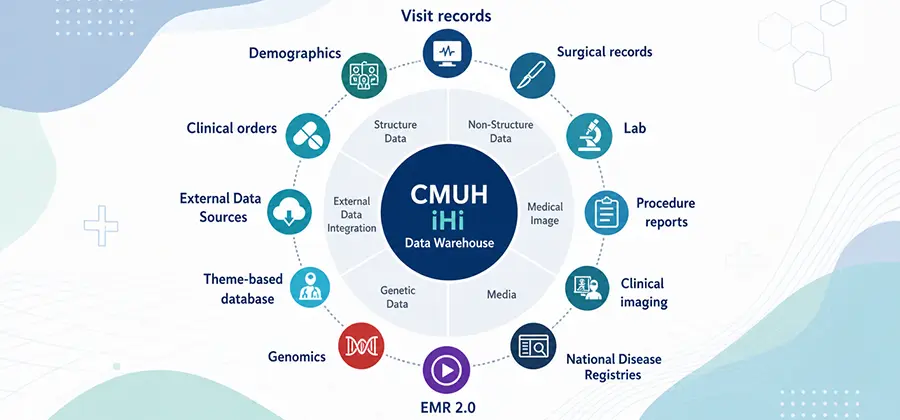
China Medical University Hospital has pioneered an innovative integrated cancer care model combining traditional Chinese and Western medicine. Aiming to provide comprehensive cancer care, the hospital established the "Integrated Oncology Clinic," where specialized Chinese and Western medicine physicians collaborate in adjacent clinic spaces to serve cancer patients. Through an outpatient information system, medical data is seamlessly integrated, ensuring a complete care process. Cross-disciplinary case discussions are conducted to determine the most appropriate treatment plans.
Over the past five years, nearly 30 foundational and clinical research studies on integrated Chinese-Western therapies have been published in SCI-indexed international journals, showcasing remarkable academic achievements. This model not only enhances communication between Chinese and Western medical professionals but also improves patients' quality of life, earning over 90% satisfaction from cancer patients.
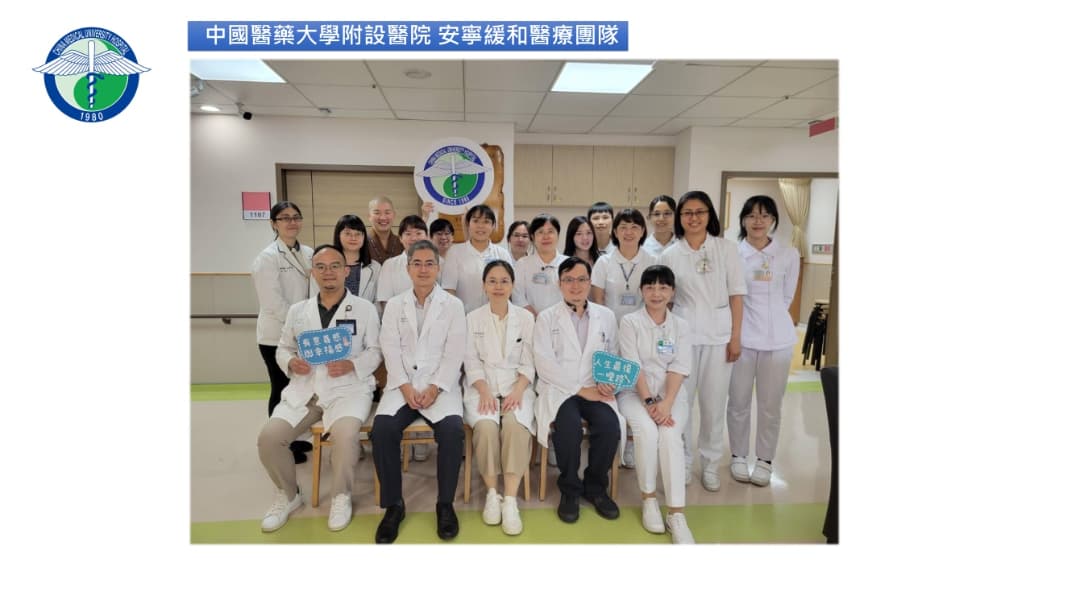
Our professional team provides continuous support throughout the patient's journey, from initial diagnosis to post-treatment care, offering holistic assistance and striving to enhance the quality of medical services while exploring new treatment possibilities.
Personalized Treatment: Due to the significant variability among different types of cancer, the integrated clinic can offer more personalized treatment plans tailored to each patient’s specific condition and therapeutic needs. This ensures greater precision and effectiveness in treatment.
Comprehensive Medical Team: The integrated clinic brings together physicians from various specialties, including traditional Chinese medicine (TCM), Western medicine, and other medical disciplines, forming a cohesive multidisciplinary team. This promotes effective communication and collaboration among physicians, enabling more holistic and diverse medical care.
Close Monitoring and Management: The integrated clinic facilitates real-time information exchange across specialties, allowing the medical team to track and manage patients' treatment progress more effectively. This helps identify issues early during treatment and enables timely adjustments to improve outcomes.
Drug Interaction Alerts: In integrated cancer care involving both Chinese and Western medicine, patients often use a combination of medications. To prevent adverse drug interactions, the hospital's outpatient system includes a drug interaction alert feature, ensuring medication safety. This system extends beyond in-hospital prescriptions by utilizing the National Health Insurance cloud database to cross-reference patients’ medication records from outside the hospital, including Chinese and Western medicines, allergy records, and controlled substances. This comprehensive overview enables the medical team to promptly identify potential drug interactions and significantly enhance patient safety.
Unified Patient Education: In the integrated clinic, the medical team provides standardized education for patients on cancer treatment, side effect management, and self-care. This empowers patients with a clearer understanding of the treatment process, boosting their confidence and engagement in their care.
Improved Quality of Life: Through comprehensive treatment and side effect management provided by the integrated clinic, cancer patients can experience a notable improvement in their quality of life. This integrated care approach helps them better cope with physical and psychological challenges during treatment, alleviating discomfort and promoting recovery and well-being.
Standardized TCM Treatment: To enhance the quality of care and communication within the team, standardized referral timelines and treatment workflows for cancer patients have been established. Additionally, the team has developed TCM treatment guidelines tailored to the specific needs of cancer patients, ensuring consistent and effective care.
Integrated Clinic Services: Over the past five years, an average of approximately 1,970 to 2,342 cancer patients annually have received joint care through the integrated traditional Chinese and Western medicine clinic, accounting for about 58,824 to 70,028 visits per year. These figures represent roughly 7% of the hospital's cancer patient population and about 23% of total cancer-related visits.
Chinese Medicine Consultation Services for Hospitalized Patients:
Taking 2022 (Year 111 in the Taiwan calendar) as an example, 5,352 cancer patients nationwide received Chinese medicine consultation services during their hospital stays. Of these, 1,454 patients were in the central region, with our team serving 1,223 hospitalized cancer patients, accounting for 84.11% of the central region's total and approximately 22.85% nationwide. Among these patients, breast cancer patients represented the largest group, with 852 individuals.
1. Patient Satisfaction:
A total of 119 questionnaires were collected to assess satisfaction with the integrated oncology clinic combining traditional Chinese and Western medicine. The survey evaluated five aspects: "medical professionalism," "service attitude," "care process," "clinic environment," and "disease improvement." In most categories, the combined percentage of "satisfied" and "very satisfied" responses exceeded 90%, demonstrating a high level of overall patient satisfaction and strong affirmation of the team's efforts.
2. Traditional Chinese Medicine (TCM) Alleviating Discomfort and Enhancing Quality of Life:
We conducted symptom and constitution tracking for liver transplant patients who underwent transplantation due to liver cancer. The findings revealed that the initial constitutions of these patients were primarily Qi deficiency (25.2%), Yin deficiency (25.7%), and Yang deficiency (24.3%). After taking TCM for three and six months, the proportion of patients with a balanced constitution (Pinghe) increased from 19.2% to 25% and 32%, respectively. Simultaneously, the prevalence of constitutions such as Yin deficiency, phlegm-dampness, blood stasis, and special diathesis decreased.
We also analyzed common complaints among liver transplant patients during clinic visits, with dry mouth, nocturia, dry eyes, and fatigue being the most frequently reported. After three months of TCM treatment, many symptoms improved significantly, with a relief rate exceeding 50%. This highlights TCM’s effectiveness in improving patient comfort and enhancing their quality of life.
3. Adverse Effects:
In the past five years, there have been no reported incidents of adverse reactions to TCM or patient safety issues related to TCM in our reporting system. Additionally, the rate of repeated TCM prescriptions has remained below 1%, ensuring patient safety and effective medication management.
No adverse drug reactions reported for Chinese medicine over the past five years
Patient safety incident reports: 0 cases in 2018, 0 cases in 2019, 7 cases in 2020, 4 cases in 2021, 1 case in 2022
Comprehensive Chinese herbal medicine quality control mechanism
Inspection items include: heavy metals (arsenic, cadmium, lead, mercury), total bacterial count, sulfur dioxide, total aflatoxin, organic chlorine pesticides
Chinese medicine duplicate medication checking mechanism
Chinese-Western drug interaction prompt system
Complete hospital patient safety incident reporting system
Patient satisfaction survey results are favorable
Alleviates patient discomfort, improves quality of life, and improves constitution
Constitution of balanced quality increases after taking Chinese medicine
Biased constitution decreases (yin deficiency, phlegm-dampness, blood stasis, specific idiopathic constitutions)
Most significant improvement in fatigue, dry eyes, skin itching, bitter taste, poor appetite, and lower back soreness
1. Extensive Research Contributions: Led by Vice Superintendent Dr. Gao Shang-De and Department Director Dr. Huang Sheng-Teng, the team has published over 30 cancer-related papers in international journals and actively participated in domestic and international academic conferences, achieving significant research milestones in the field of Chinese medicine oncology.
2. Global Recognition for Scientific Impact: Vice Superintendent Dr. Gao Shang-De was honored by Stanford University as one of the 2020 top 2% of scientists worldwide, a prestigious acknowledgment of his scientific influence.
3. Awards and Achievements of Dr. Huang Sheng-Teng:
Dr. Huang Sheng-Teng, Director of the Department, was recognized by Stanford University in both 2020 and 2021 as one of the top 2% of scientists globally.
He has received numerous accolades for his innovative research and development, including the inaugural Jade Prize of the 2021 Traditional Chinese Medicine Development Award from the Ministry of Health and Welfare.
He was also honored with the 17th National Innovation Award in 2020 and the 19th National Innovation Award in 2022.
4. Training International Medical Professionals:
The Department of Chinese Medicine has a longstanding tradition of training and mentoring international medical professionals through training programs and observational courses.
Although slightly paused due to the pandemic in the past three years, medical professionals worldwide with an interest in Chinese medicine and complementary therapies can participate in this team's observational program, gaining insight into the integrated cancer care process combining traditional Chinese and Western medicine.
1.Tumor Team Meetings:
For cancer patients with complex conditions, multidisciplinary tumor meetings are held, where traditional Chinese and Western medicine physicians collaborate to discuss and determine the most beneficial treatment options for the patient.
2.Case Discussions:
Successful cases of integrated traditional Chinese and Western medicine care are regularly presented at case discussion meetings. These cases are also submitted for publication in international journals.
3.Traditional Chinese Medicine (TCM) Quality Control Mechanism:
To ensure the safety of public medication use, the hospital has established its own "Abnormal Substance Control and Inspection Protocol for TCM." This protocol strengthens the quality control of TCM in the hospital. It is based on the Taiwan Herbal Pharmacopoeia and complies with domestic regulations while referencing international standards for limiting abnormal substances in TCM. Strict requirements are imposed on suppliers to provide relevant inspection data, and only products that meet these standards are approved for use.
Additionally, the hospital allocates a fixed budget for TCM inspections. Each month, the Department of TCM randomly selects a certain number of TCM products for testing by certified inspection agencies. These agencies must be accredited by the Taiwan Accreditation Foundation (TAF) and are required to submit timely inspection reports. If additional tests are required due to special circumstances, the Department of TCM can urgently send samples for inspection and report the results to the hospital's "Chinese Medicine Management Committee" and "Pharmaceutical Affairs Committee." All inspection results and reports are regularly published online for patients and the public to access at any time.
Link: https://www.cmuh.cmu.edu.tw/Department/CustomPage/104
4.TCM Adverse Reaction Reporting System:
The hospital participates in the Ministry of Health and Welfare’s TCM Safety Monitoring and Reporting System, which allows direct online reporting of adverse reactions. Reports submitted through this system are categorized as external cases. Additionally, the hospital has an internal reporting system for TCM adverse reactions, where incidents reported via the hospital's internal system are categorized as internal cases.
5.TCM Medication Duplication Check Mechanism:
To prevent patients from being prescribed duplicate medications, the hospital's outpatient system provides pop-up alerts for duplicate prescriptions. Both the Chinese Internal Medicine and Gynecology Departments have established TCM duplication rate standards, which are included in the annual performance evaluations of attending physicians. Each month, department meetings review physicians’ duplication rates, and those exceeding the standard may have their performance evaluation scores impacted.
6.Patient Safety Event Reporting System:
The hospital’s Quality Management Department has established a Patient Safety Task Force and implemented a system for reporting patient safety incidents. Physicians and nurses can directly report events to the task force. The task force holds regular meetings to analyze reported incidents and develop improvement plans.