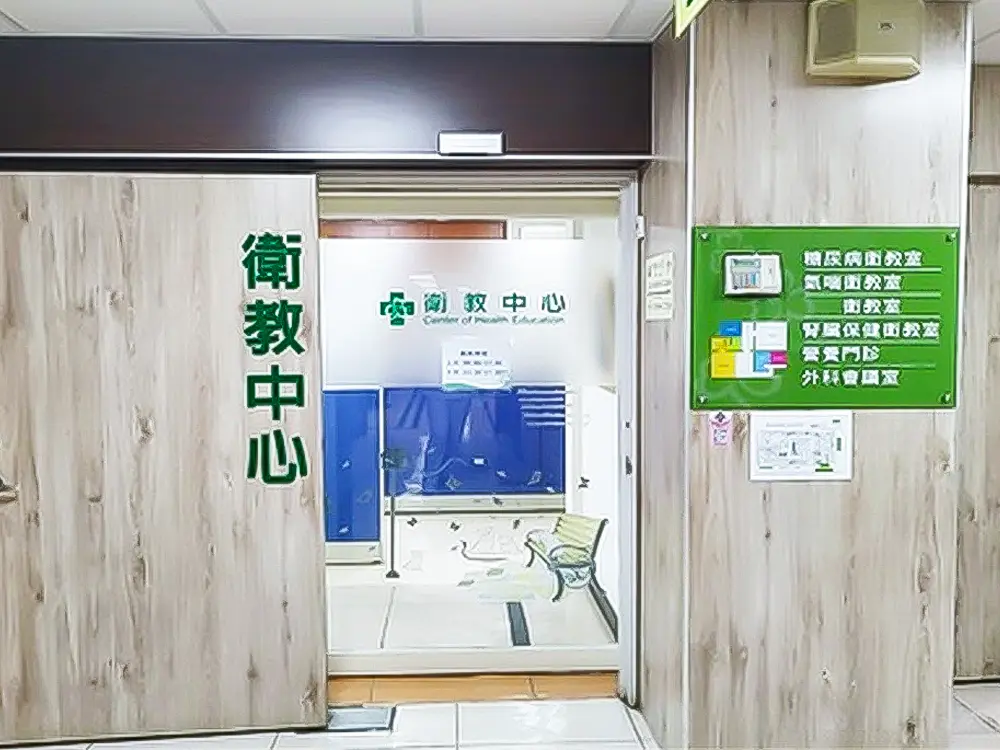
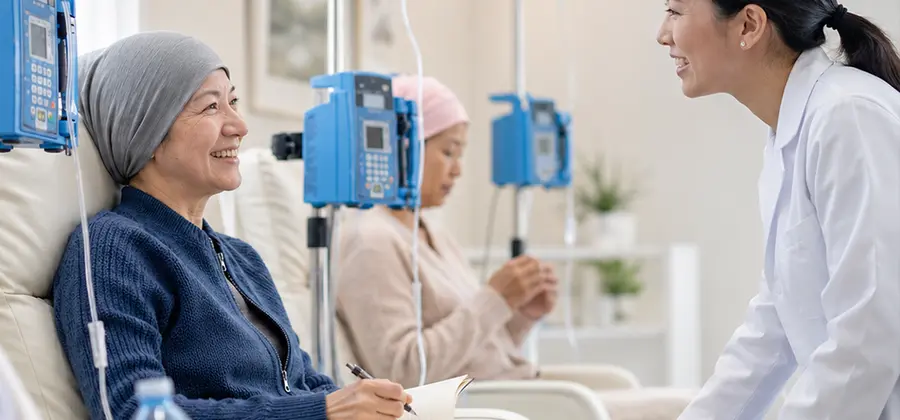
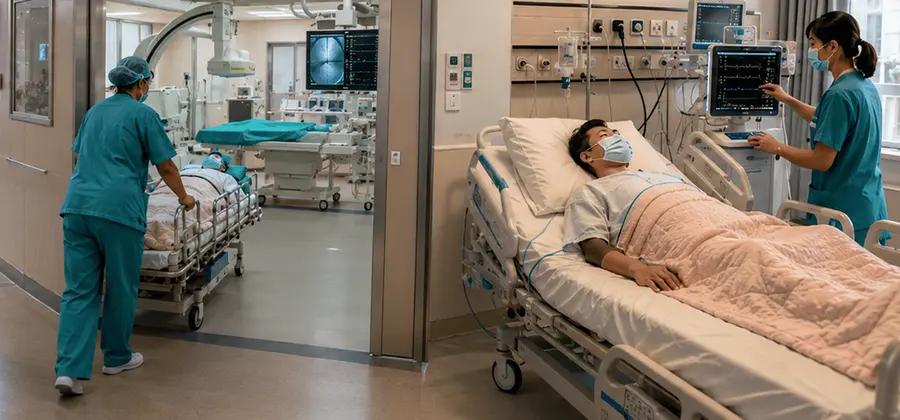
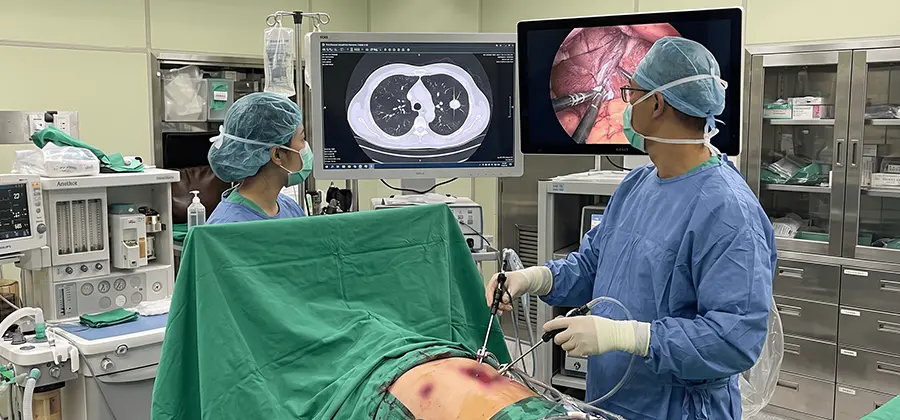
Patients with diabetes, asthma, stroke, and chronic kidney disease
Using the primary work phases of case management—health education assessment, case management, abnormality management, and home care—as the main care management model, this approach incorporates E-Health, tracking management, empowerment, and cross-team collaboration as guiding principles. Additionally, information technology is leveraged to link and integrate patient data across systems, enabling healthcare team members to deliver more comprehensive care through an intuitive management system. This ensures the mission of 'giving time back to healthcare professionals and returning healthcare professionals to patients' is effectively realized and implemented.
Case management
The enrollment rate of patients with diabetes in the care program: threshold 65.26%;
The serum albumin testing rate for patients with pre-ESRD: threshold 79.67%;
The hemoglobin testing rate for patients with pre-ESRD: threshold 89.97%
The enrollment rate of diabetic patients in the care program was 79.87%.
The serum albumin testing rate for patients with pre-end-stage renal disease (pre-ESRD) was 73.5%.
The hemoglobin testing rate for patients with pre-end-stage renal disease (pre-ESRD) was 89%.
The system is equipped with an information security identity (ID) management mechanism.
Health education equipment is regularly maintained, and blood glucose meters undergo daily calibration (365 times/year).
The facility complies with healthcare health-promoting institution safety standards and conducts regular fire drills (once a year).
improve patient satisfaction
Presented at the September 2023 HPH Poster Exhibition: Improving the self-management ability of diabetic patients through active empowerment) 。