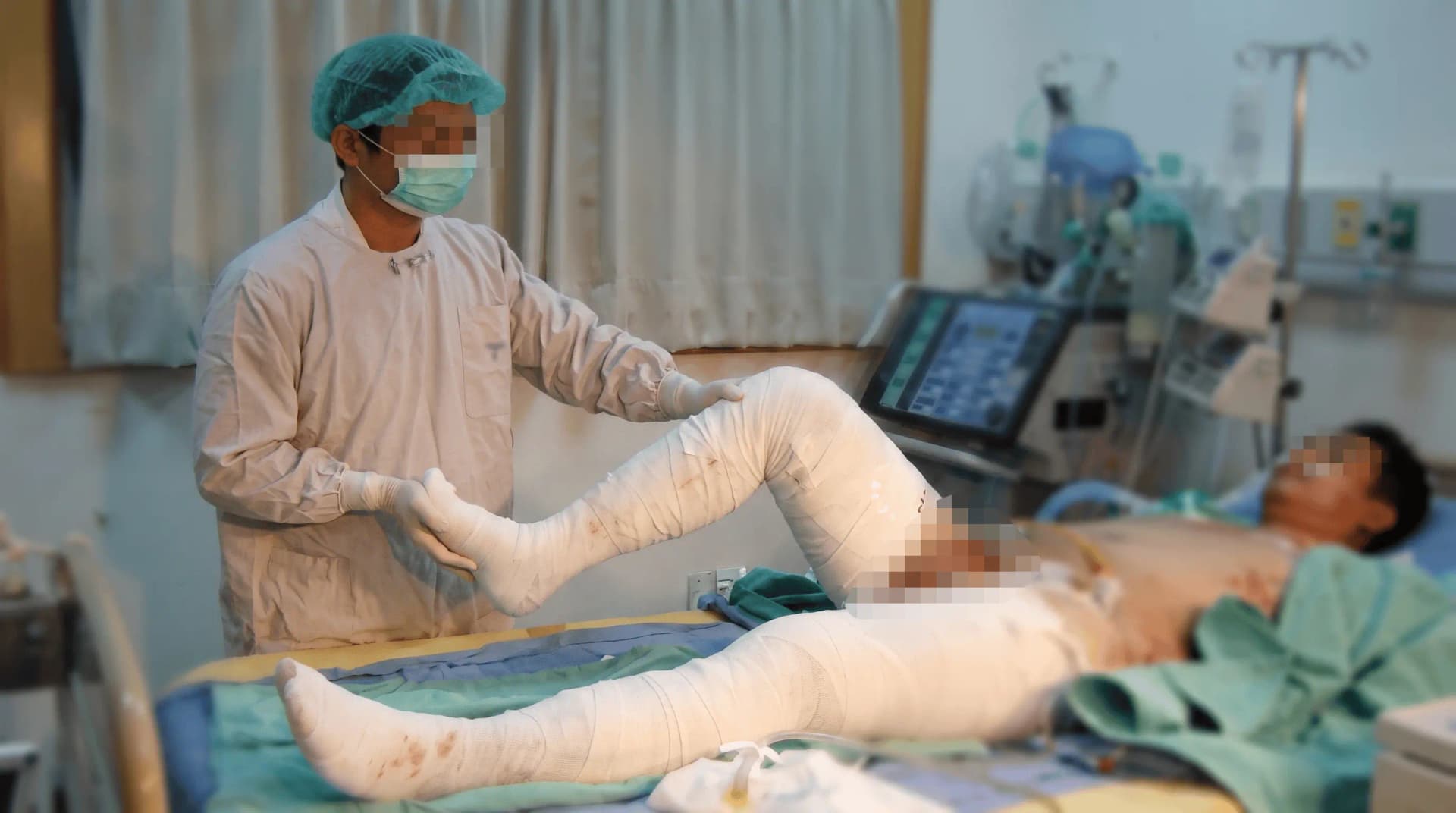
Patients with decompression sickness, chronic wounds, sudden deafness, sports injuries, and other conditions.
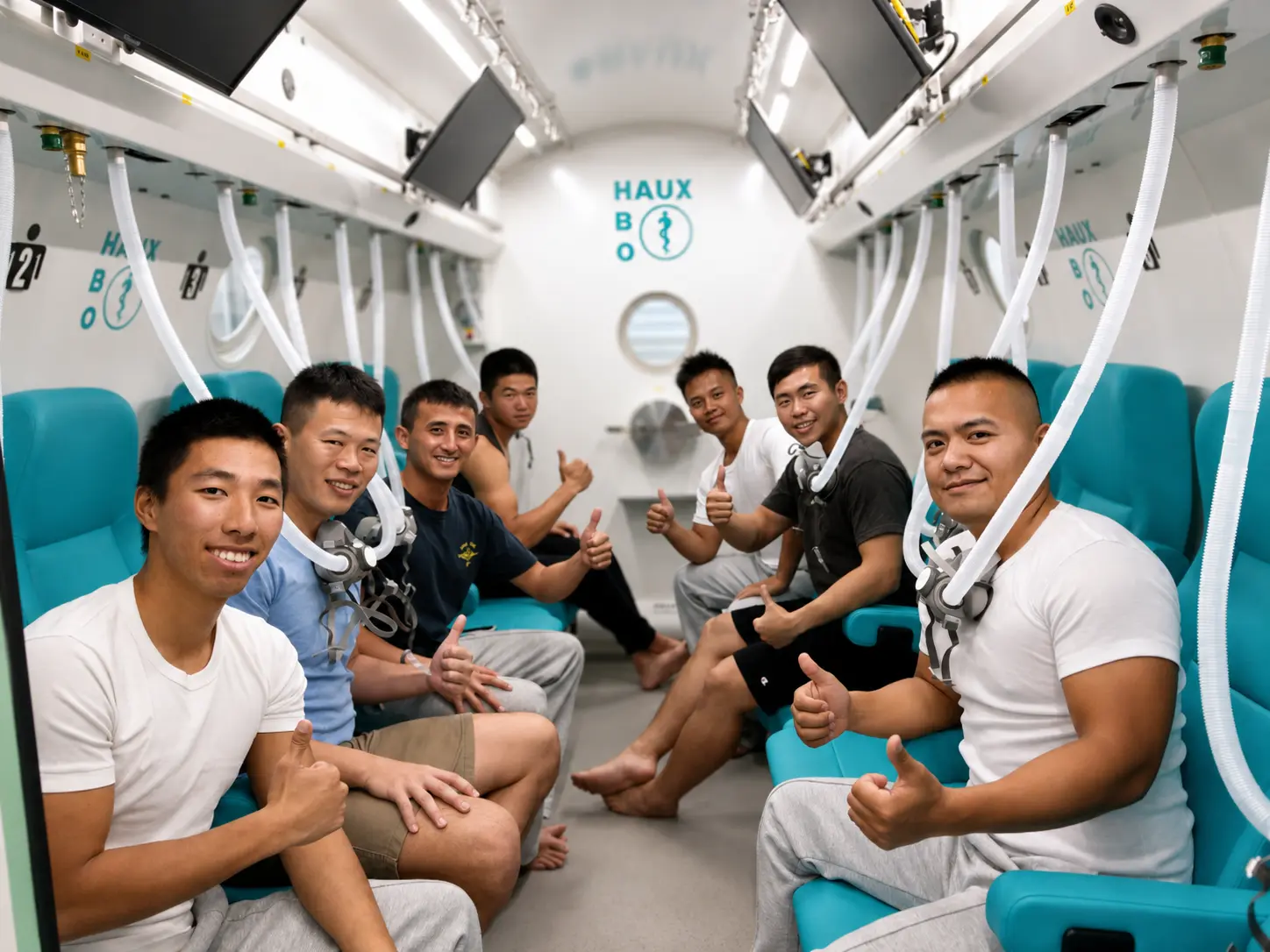
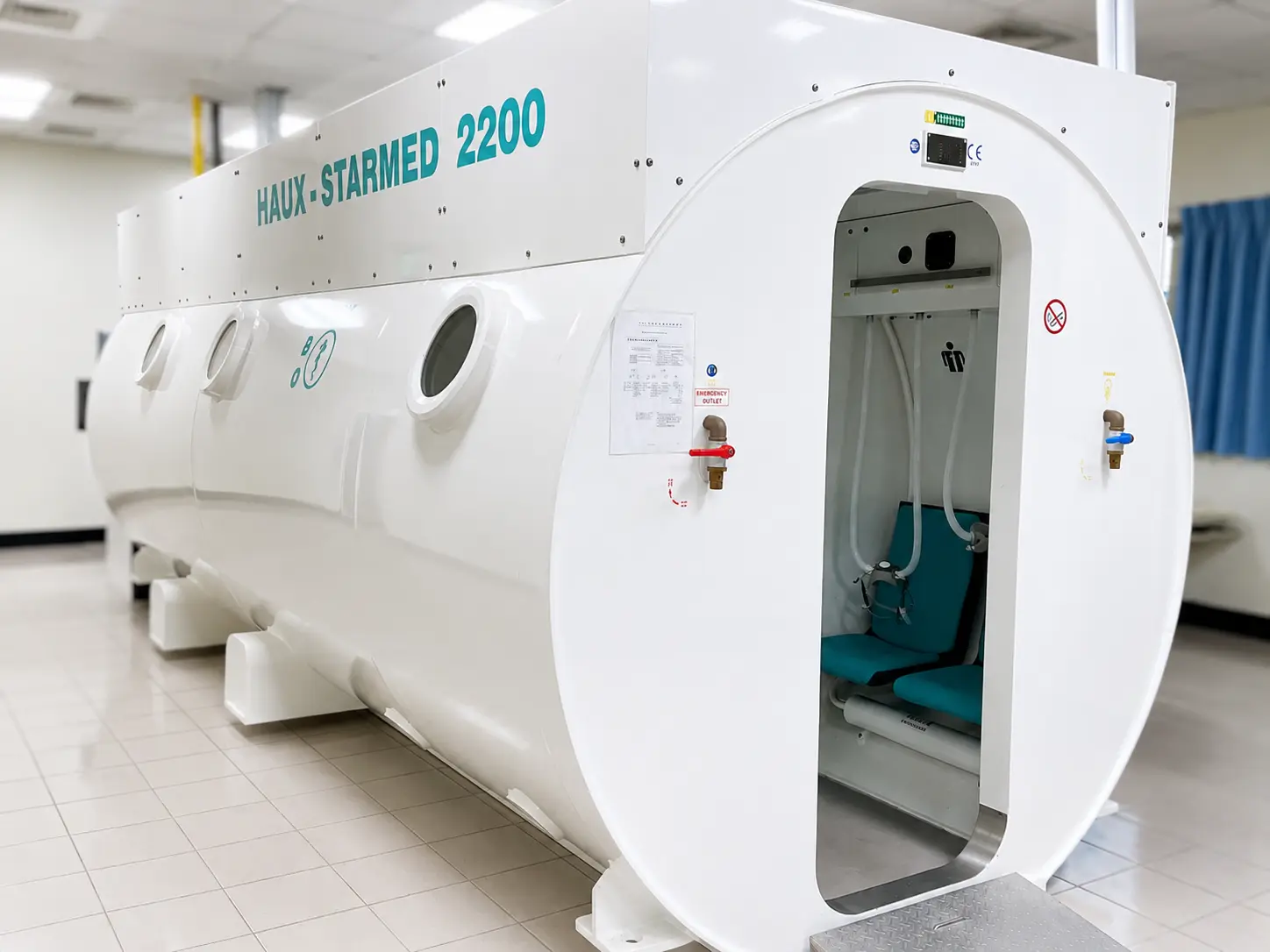
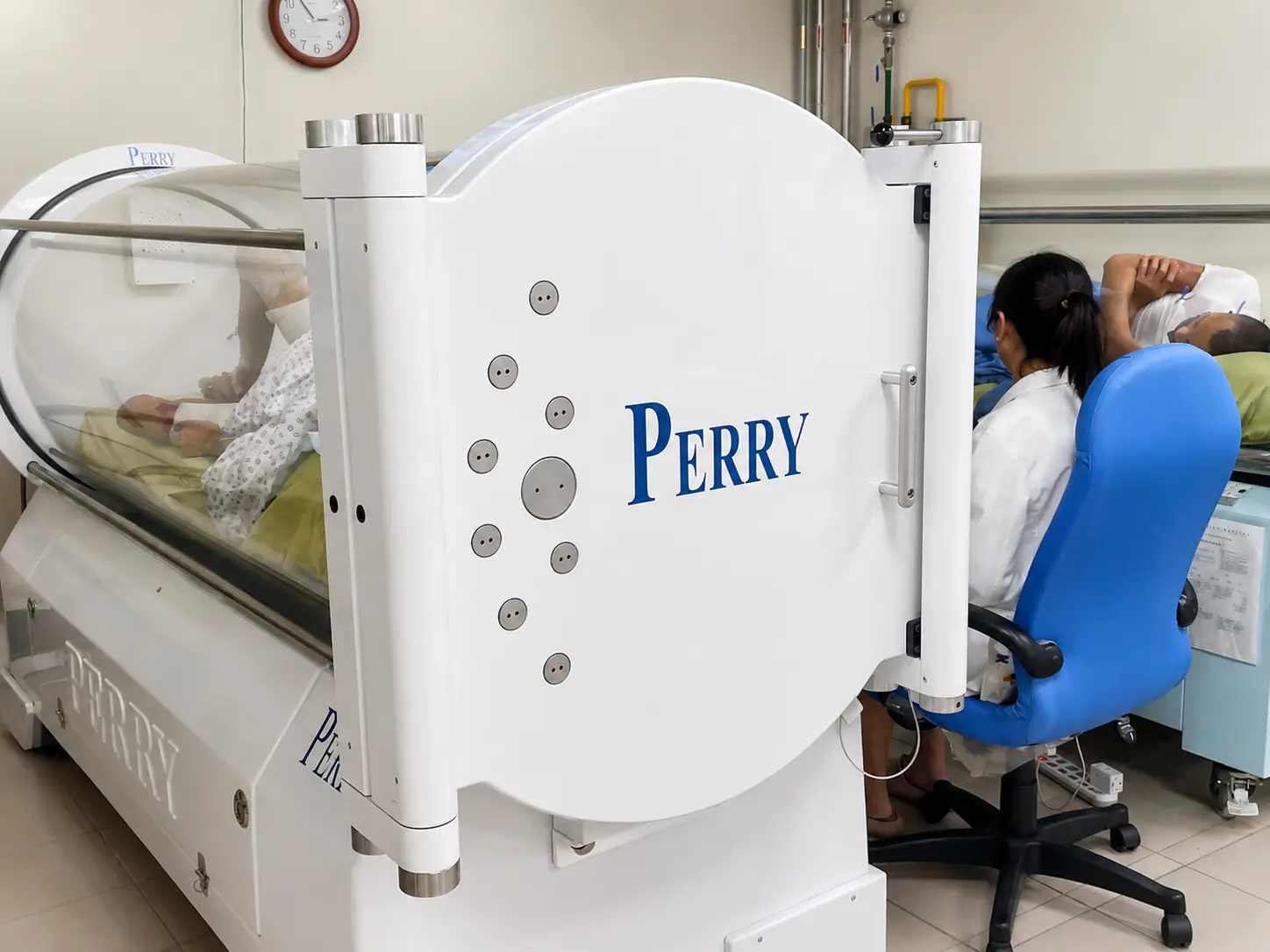
We serve as the referral center for hyperbaric oxygen emergency services and advanced care for decompression sickness in Southern Taiwan, operating 24/7. Our team includes the most experienced diving medicine specialists in the country, with a total of five experts. We house the nation’s largest treatment capacity, featuring two multi-place hyperbaric oxygen chambers and four mono-place chambers. Due to the spacious treatment environment and numerous chambers, we effectively reduce the risk of cross-infection. Even during the height of the pandemic, we continued to provide uninterrupted hyperbaric oxygen therapy for patients.
Post-pandemic, we have further strengthened clinical environments and implemented enhanced cleaning and disinfection protocols for treatment chambers to minimize cross-infection risks. We conduct health monitoring, including blood pressure checks, for patients before chamber entry to ensure treatment safety. Additionally, we have upgraded fire suppression systems and evacuation devices to eliminate fire hazards.
We are the only medical institution in Taiwan equipped with both simulated deep-sea training capabilities and diving accident medical rescue facilities. In 2025, we plan to launch the nation’s first saturation diving training chamber, paving the way for Taiwan to enter a new era of deep-sea diving.
The diagnosis and treatment of severe decompression sickness and acute gas embolism.
The statistics span from May 2025 to April 2026.During this statistical period, our department recorded a total of 2,896 treatment sessions. The breakdown by disease classification is as follows:Decompression Sickness: 123 sessionsRadiation Osteonecrosis: 80 sessionsBurns: 264 sessionsNecrotizing Fasciitis: 406 sessionsCarbon Monoxide Poisoning: 62 sessionsCrush Injuries: 56 sessionsChronic Osteomyelitis: 79 sessionsProblem Wounds: 323 sessionsTraumatic Brain Injury (TBI): 208 sessionsBrain Injury: 355 sessionsSudden Sensorineural Hearing Loss (SSHL): 307 sessionsOther Diseases: 397 sessionsPressure Tolerance Physical Examination: 236 sessionsAdditionally, a total of 1,489 sessions of diving training-related operations were conducted during this period. The distribution by mission category is as follows:Pressure & Oxygen Tolerance Physical Examination: 1,298 sessionsSimulated Deep-Sea Diving Training: 68 sessionsDecompression Sickness Treatment Mission: 123 sessions
Clinical Complication RatesBarotrauma (e.g., ear barotrauma): Incidence rate of approximately 1.8%.Oxygen Toxicity Reactions (e.g., blurred vision, nausea, vomiting): Incidence rate of approximately 0.2%.Quality Control Summary: Due to timely hyperbaric oxygen therapy (HBOT) health education, all treatment complications were successfully controlled within the target threshold. (Healthcare Quality Indicator Threshold: 5%; Target Value: 3%).Military Pressure & Oxygen Tolerance Failure RatesNew Recruits / Trainees: Failure rate of 6.8%.Refresher / Retrainee Personnel: Failure rate of 2.4%.Prognosis of Decompression Sickness (DCS) TreatmentA total of 120 patients were treated. The distribution by disease type and severity (score) is as follows:Type I Decompression Sickness (DCS I): 99 patientsScore ≤5: 13 patientsScore 6–7: 33 patientsScore ≥8: 53 patientsType II Decompression Sickness (DCS II): 21 patientsScore ≤5: 13 patientsScore 6–7: 1 patientScore ≥8: 7 patientsArterial Gas Embolism (AGE) / Severe DCS II: 0 patientsAnalytical SummaryDCS I Outcomes: 87% of Type I DCS patients showed an improvement of over 50% following treatment.DCS II Outcomes: Less than 40% of Type II DCS patients achieved an improvement of over 50%.Neurological Outcomes: DCS patients presenting with concurrent neurological symptoms showed an improvement rate of no more than 30%.
With our center's ample chamber capacity and flexible scheduling, excellent ventilation, and smooth spatial flow, combined with strict disinfection protocols for both therapeutic equipment and personnel, we have maintained a zero-cross-infection record to date. Moving forward, we will continue to refine and monitor our practices for continuous improvement.Inpatient (Nosocomial) Infection Rate: 0.0%Patient Fall Incident Rate: 0.0%Equipment Operational Readiness Rate: 100.0%
We strictly enforce high-standard infection controls, ensuring that every patient receives individual, single-use sheets and masks alongside thorough equipment disinfection. Our team actively monitors treatment progress, refines therapeutic plans in real time, and resolves any concerns immediately. Thanks to this dedication, we have successfully maintained zero patient complaints to date.
International Society Participation: Dr. Hui-Chieh Lee has been appointed as an Executive Director of the Asian-Pacific Undersea and Hyperbaric Medical Society (APUHMS).
Research Citations in International Textbooks: Numerous academic research findings from our department have been cited in international hyperbaric medicine textbooks. These studies cover a wide range of fields, including the application of hyperbaric oxygen therapy (HBOT) for burns and radiation cystitis, the correlation between decompression sickness (DCS) and coagulation factors, and modifications to the U.S. Navy Treatment Tables to enhance treatment outcomes for diving decompression sickness. Additionally, Dr. Shih-Wei Tseng's research on the clinical manifestations of Brown-Séquard syndrome in decompression sickness has also been cited in international textbooks.
International Journal Publications: Our physicians have published numerous academic papers in both domestic and international journals, including those indexed in the Science Citation Index (SCI). According to data from 2022 to 2025, a total of 4 research papers have been published, all of which are SCI-indexed.
International Exchange and Visits: As a highly distinctive medical department in Taiwan, our unit is designated annually for visits by both government and private organizations. Past distinguished guests have included foreign military personnel, such as U.S. Navy and Singapore Navy officers, as well as physicians from allied nations participating in clinical internships in diving medicine.
At the entrance of our center, touchless alcohol disinfectant dispensers are provided, allowing patients to sanitize their hands before and after consultations or treatments. Each patient is assigned an individual treatment mask, including breathing gas tubing, to prevent cross-infection. Prior to entering the chamber, patients undergo blood pressure measurement using a Upload Pressurized Automatic Blood Pressure Monitor. Patients with abnormal blood pressure readings are not allowed to enter the chamber to avoid potential risks during treatment.
After each treatment session, technicians clean the inside of the chamber and disinfect it using a hydrogen-oxygen sterilization machine. For single-person chambers, each patient uses their own bed sheet for their treatment couch. Additionally, UV disinfection lamps are used to sanitize clinical environments, reducing the number of airborne and surface bacteria.
To prevent fire hazards caused by oxygen leaks or electrical malfunctions, we have installed 26 ceiling-mounted CO2 fire extinguishers and 6 handheld extinguishers.