Examination departments.
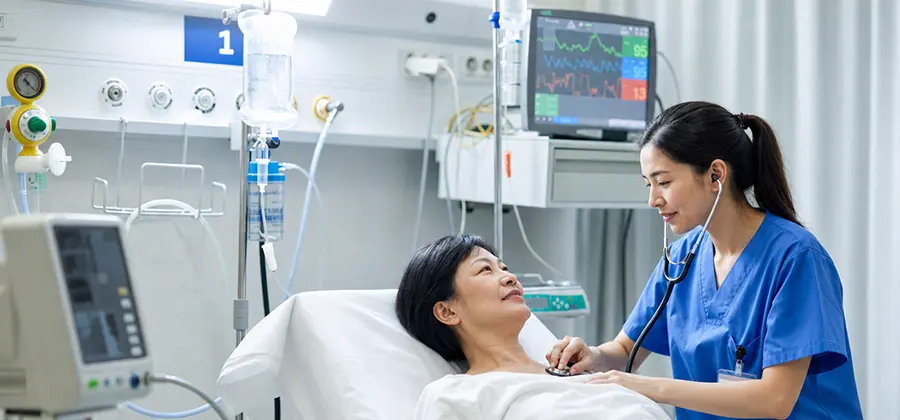
Patients and their families (monitoring the examination process).
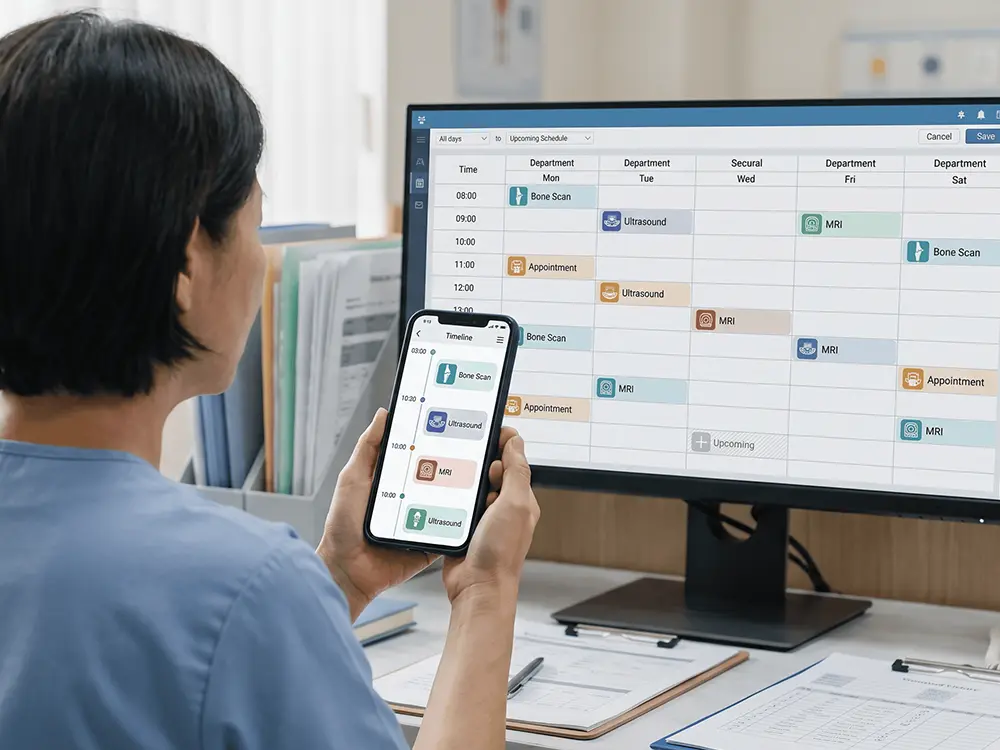
Healthcare and administrative staff (scheduling operations).
The development of an efficient, conflict-free scheduling integration system aims to optimize the internal scheduling processes in hospitals through digital and informational means, enhancing the efficiency and quality of medical services. This system can dynamically adjust scheduling arrangements based on departments, examination items, and the usage status of medical equipment, ensuring the most effective utilization of resources. By leveraging precise data analysis and flexible scheduling algorithms (without relying on artificial intelligence), the system simplifies the scheduling process for patients, reduces waiting times, and enhances internal resource collaboration. The successful integration of scheduling, check-in, execution, transmission, and reminders contributes to further promoting digital transformation and improving overall service quality.
"One-click Scheduling Reshuffling": In response to urgent events that lead to the cancellation of examinations, this feature allows for the quick rescheduling of patient appointments and automatically sends SMS notifications, reducing the administrative burden on healthcare staff.
Report Verification Mechanism: Tracks the status of imaging and physician's orders, ensuring the completeness of the process.
A total of 84,446 scheduling operations for the year 2023-2024.
The system is used by a total of 14 departments.
The core department system adoption rate reaches 100%.
The average waiting time for CT examinations is approximately 4.1-5.9 days.
The average waiting time for MR examinations is approximately 9.7-18.9 days.
The scheduling completion rate has increased to over 98%.
The error in examination time is controlled within plus or minus 5-10 minutes.
The system's normal operation rate is maintained at over 99.9%.
The system error rate in 2024 is 0.05%.
All system operations are fully recorded for auditing purposes.
The internal user satisfaction rate reaches 74.22%.
Patient waiting times are more predictable.
SMS notification information protection complies with privacy requirements.
The waiting time for CT examinations is better than the average waiting time in Hong Kong.
Significantly improve the efficiency of examination scheduling and the quality of medical services.
Enhance emergency response flexibility and operational continuity through the "one-click refresh" feature.
Save a significant amount of manual processing time for healthcare personnel (approximately 397 hours in 2024).
Substantially shorten patient waiting times, optimizing the overall healthcare experience.
Save time and improve cost efficiency for patients through clinic scheduling.
The scheduling conflict check mechanism reduces the error of scheduling more than two tests for the same patient at the same time, and reduces the manpower and time costs of rescheduling tests when an event occurs.