Hospitalized stroke patients
Outpatient stroke patients
Stroke patients receiving home care and long-term care
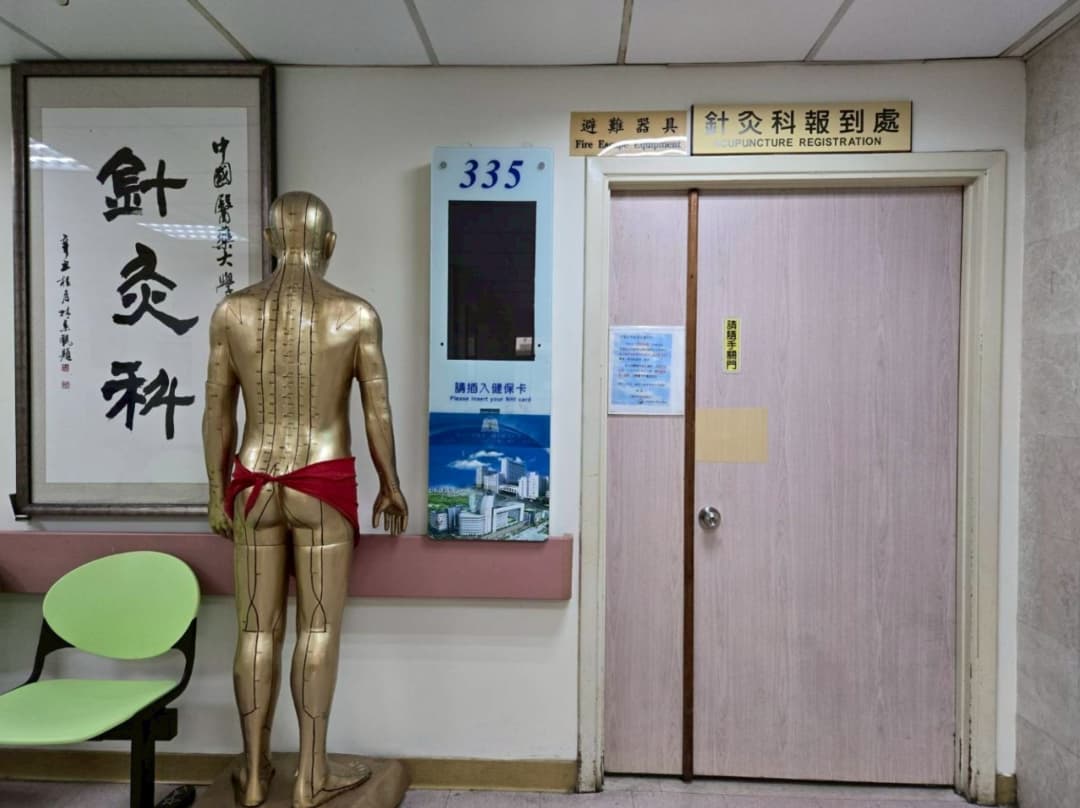
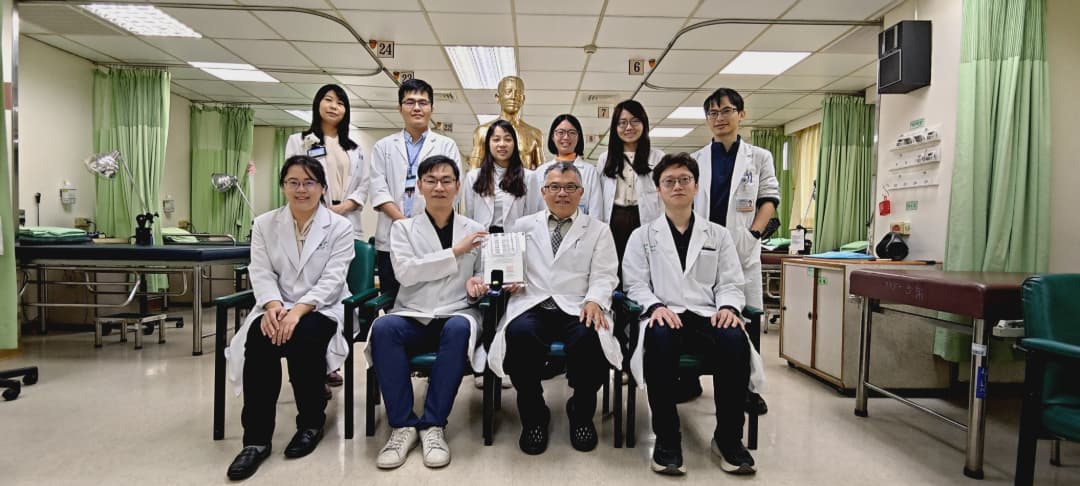
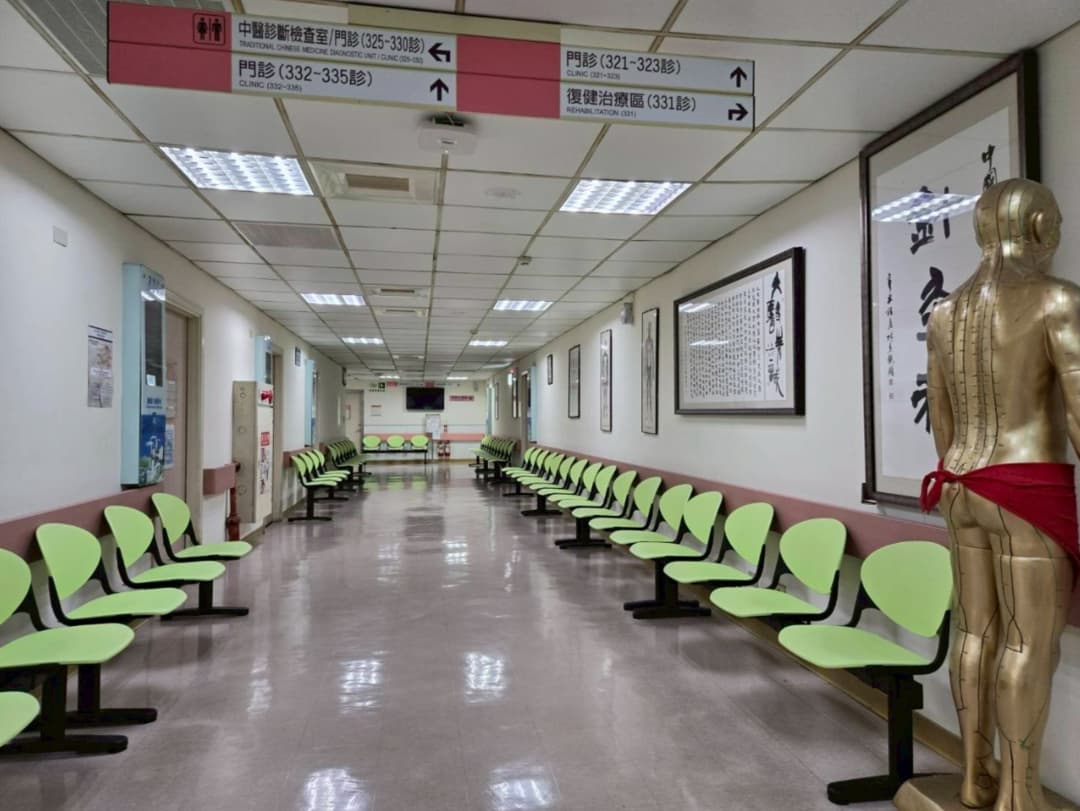
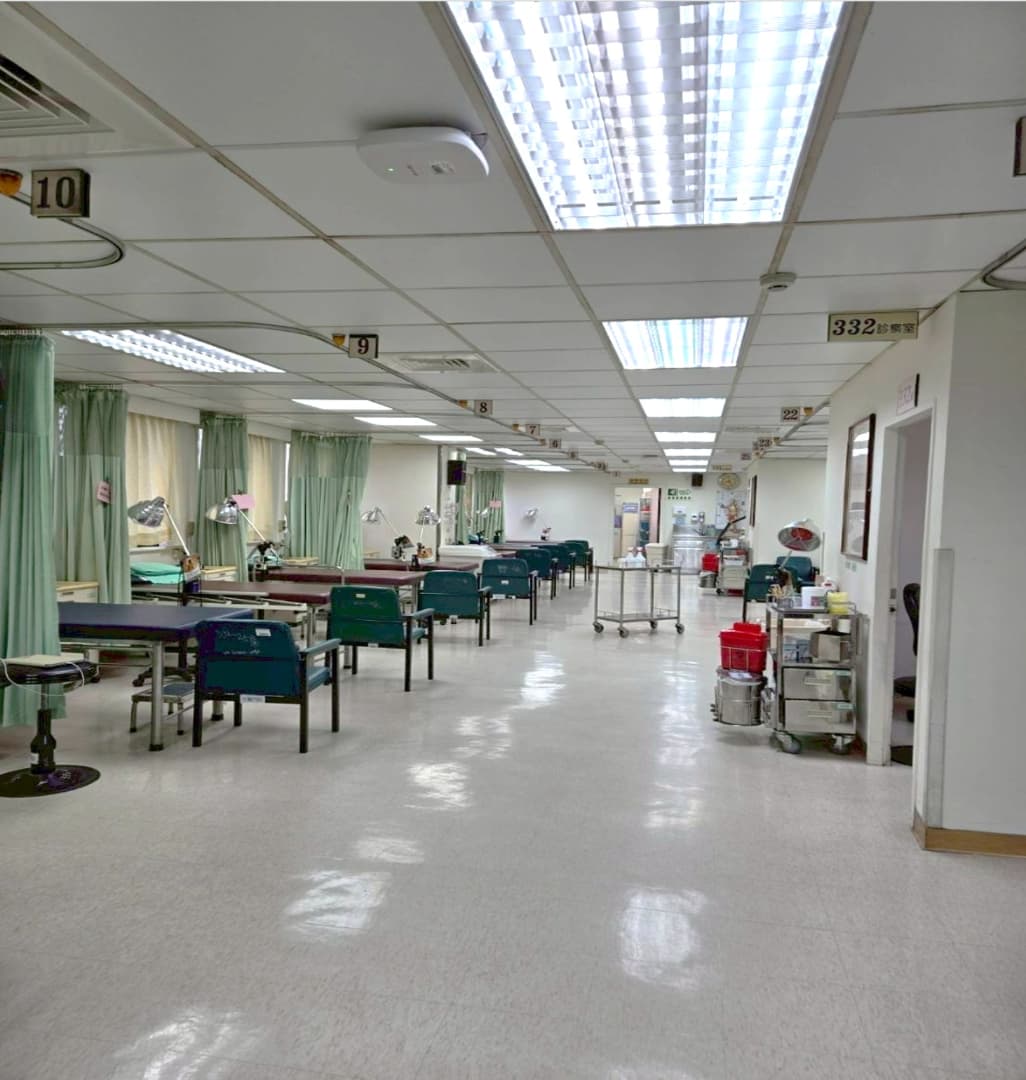
This service is provided by the Department of Acupuncture, Traditional Chinese Medicine Division, China Medical University Hospital. Centered on the concept of “Comprehensive Traditional Chinese Medicine Acupuncture, from Hospitalization to Home Care for Stroke Recovery,” a continuous stroke care model has been established, covering acute inpatient care, post-discharge outpatient follow-up, and home-based long-term care services.
To address the needs of stroke patients at different stages of disease progression, acupuncture intervention is initiated during the acute hospitalization phase, integrated with Western medical imaging, laboratory data, and Traditional Chinese Medicine pattern differentiation to provide integrative care. After discharge, patients continue outpatient follow-up under the same medical team, with referral to home-based long-term care when necessary, extending acupuncture services into the community.
This service operates a year-round consultation system, standardized stroke acupuncture protocols, and an electronic needle-counting system to ensure both treatment timeliness and patient safety. Based on long-term accumulated clinical service volume and quality monitoring data, this model has become a representative integrative acupuncture-based stroke care system in Taiwan, with ongoing clinical research to verify its safety and effectiveness.
Early acupuncture intervention during the acute stage of stroke
Continuous acupuncture care across hospitalization, outpatient, and home settings
Integrative Traditional Chinese Medicine and Western medicine treatment model
Year-round inpatient consultation services
Electronic needle-counting system to ensure safety
Annual inpatient acupuncture consultations for Western medicine stroke patients exceed 20,000 visits
Annual outpatient acupuncture visits for stroke patients exceed 9,000 visits
Annual Traditional Chinese Medicine home care visits exceed 28,000 visits
Inpatient acupuncture consultation rate for Western medicine stroke patients: 44.8%
Consultations completed within three days account for over 45% of all acupuncture consultations
Average waiting time for inpatient acupuncture consultation reduced to 5.9 days (calculated from admission)
Post-discharge outpatient follow-up rate maintained at 30–40%
Improvement in functional status and quality of life among stroke patients
Continuous decline in patient safety incident reports; zero retained-needle events in the past three years
Exclusive use of disposable needles, adhering to the “one needle per acupoint” principle
Full digitization of medical records with complete implementation of the electronic needle-counting system
Inpatient consultation and outpatient satisfaction rate reached 88.9%, with high ratings for “clear treatment explanations,” “perceived therapeutic benefit,” and “appropriate treatment scheduling”
In 2025, six public lectures on acupuncture for stroke prevention and treatment received average feedback scores above 4 out of 5 across all items
Research findings published in international journals, including multiple SCI-indexed papers
Physicians participated in international conferences, presenting evidence and clinical experience of acupuncture treatment for stroke in Taiwan
Established an integrated acupuncture-based stroke care model connecting inpatient, outpatient, and home care, improving overall medical quality
First to establish an indicator for three-day inpatient acupuncture consultation rate in Western medicine stroke care
First to establish an indicator for inpatient acupuncture consultation rate in Western medicine stroke care
Achieved a zero retained-needle safety indicator over three consecutive years
Institutional data show reduced NIHSS scores at discharge compared with admission after acupuncture, indicating improved neurological function
Institutional data show an increased proportion of lower mRS scores in mid- to long-term follow-up after acupuncture, indicating improved functional outcomes