The primary service targets are older adults aged 65 and above in Nantou County, as well as Indigenous older adults aged 55 and above.
Nantou County covers a vast area, ranking as the second largest in Taiwan. With many mountainous townships, it faces significant urban-rural disparities and unequal access to health resources. As the county has entered a super-aged society, over 20% of its population is aged 65 and above. In response to the challenges of an aging population and limited nutritional resources in remote areas, the Nantou County Health Bureau established the Community Nutrition Promotion Center to enhance the nutritional health of residents, particularly the elderly and those living in rural areas.
To address geographic constraints and cultural diversity, the center adopts localized and customized strategies, launching various innovative services—such as translating educational materials into multiple Indigenous languages, offering culturally sensitive nutrition courses, transforming mobile vegetable trucks and local grocery stores into nutrition education sites, and collaborating with mobile supermarkets to deliver nutrition to mountainous communities. In addition, the center promotes nutrition knowledge through group lectures, media outreach, and online education.
Emphasizing cross-sector collaboration and integration of public-private resources, the programme aims to build an age-friendly nutrition support system, prevent and delay disability, and move toward a vision of a healthy, vibrant, happy, and thriving senior-friendly city.
To reach the grassroots level in Nantou and benefit vulnerable populations, innovative nutrition services were implemented through four strategic areas:
"Silver Nutrition Classroom—Nutrition Education for Older Adults" Competition (Knowledge Aspect): Attracted 157 participants across generations. Through fun quizzes, the competition encouraged older adults to leave their homes, learn nutrition knowledge easily through games, and promote social interaction.
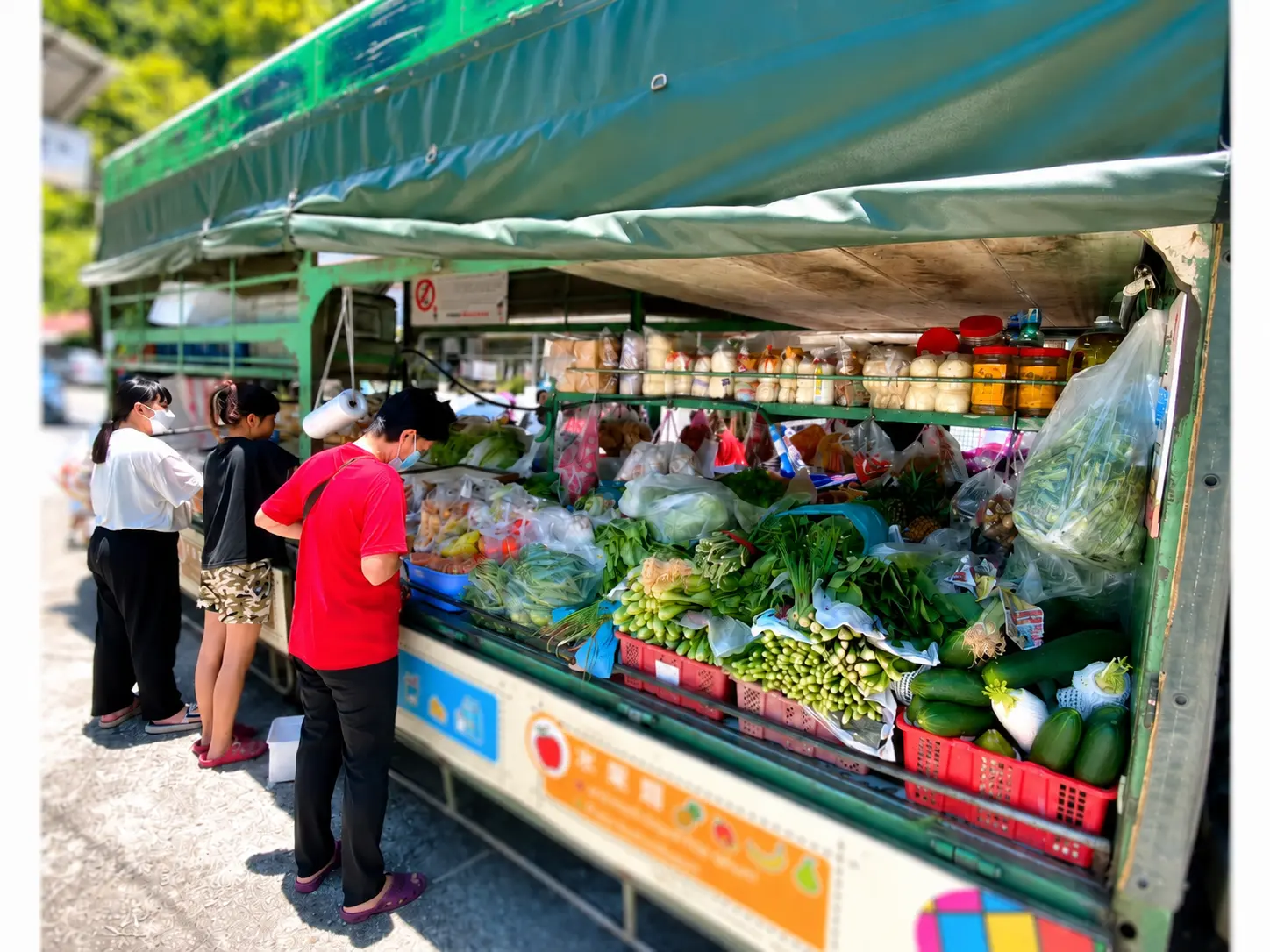
Indigenous Language Nutrition Promotion (Purchasing Aspect): The only program nationwide to translate the "My Plate" guidelines into Indigenous mother tongues, posting them on mobile vegetable trucks and grocery stores. This transformed purchasing points into small nutrition classrooms, promoting balanced eating habits.
"Cooking King" Competition (Dietary Aspect): Encouraged community meal sites to use local ingredients to prepare balanced meals that meet the texture needs of older adults (low-oil, low-salt, low-sugar). This aims to enhance the quality of community dining and facilitate peer-to-peer learning among sites.
"Plum Good Time" Curriculum (Instructor Aspect): Designed for Indigenous older adults, this program integrated local Xinyi Township plums. Through hands-on DIY activities, participants learned to use plum flavor in cooking to stimulate appetite. Post-class nutrition cognitive awareness successfully increased from 28% to 96%, with 100% satisfaction.
Since 2018, the Community Nutrition Service Resource Integration Program has been implemented, achieving the following outcomes:
A total of 592 group-based nutrition education sessions were conducted, reaching 16,310 participants.
A total of 572 food service providers were guided to improve meal quality and nutritional safety.
70 training sessions for community nutrition care personnel were held, with 3,579 participants trained.
Nutrition screening was completed for 6,965 individuals, and 133 individuals received individualized nutrition counseling.
2023–2025 (as of July),The proportion of normal nutrition increased from 86.23% to 92.25%, indicating a significant improvement in the nutritional status of older adults.
2023–2025 (as of July),The proportion of those at risk of malnutrition/malnourished decreased annually (12.46% → 7.29% for "at risk"; 0.82% → 0.11% for "malnourished").
Course content satisfaction was 99%, and instructor satisfaction was 100%, highly affirming the outcomes.
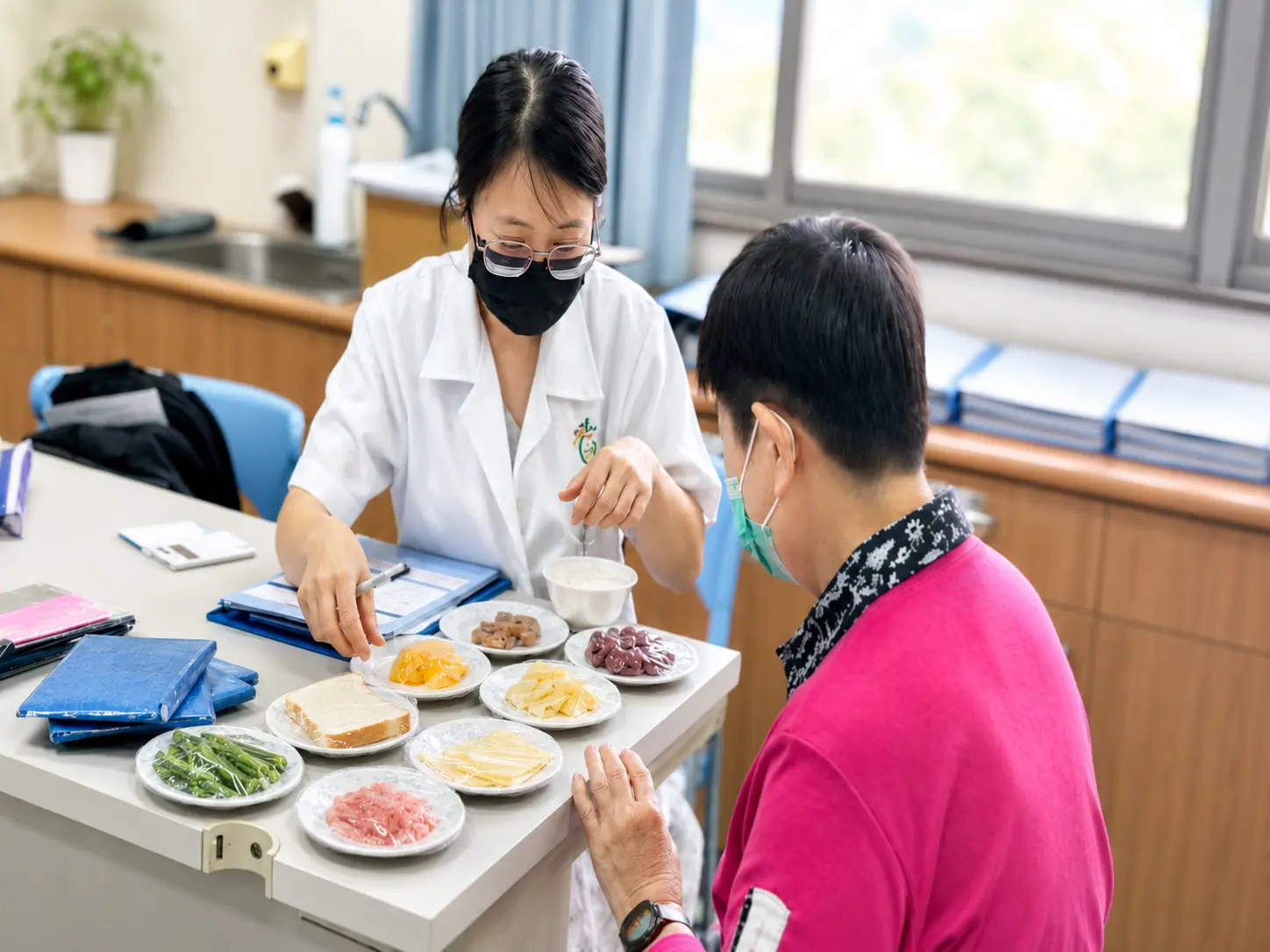
The texture-modified diet workshop reached 95% satisfaction, and participants requested regular sessions.
Dietitian consultation satisfaction was 86% "very satisfied" and 14% "satisfied," receiving high appraisal.
Vegetable truck redesign increased choices, helped people understand nutrition, and improved vendors' business.
Elders thanked the dietitian for traveling to teach them how to check expiration dates and purchase healthy ingredients.
2022 Awards: Excellence Performance Quality Award, Innovative Service Award, Community Shared Dining Strength Award.
2023 Awards: Community Dietitian Service Excellence Award, Excellent Curriculum Application and Promotion Award, Three "Community Shared Dining Strength Enhancement Awards."
2024 Award: 2024 Taiwan Healthy City and Age-Friendly City Award: Health Equity Award.
2025 Award: 2025 9th PwC Sustainability Impact Awards – Social Category Bronze Award.
Enhancing nutrition knowledge: Through educational courses and diverse outreach strategies, the accuracy rate of nutrition knowledge among older adults increased to over 80%.
Improving nutritional status: Regular Mini Nutritional Assessments (MNA) and follow-up interventions were conducted, showing a yearly increase in the proportion of well-nourished older adults and a clear reduction in those at risk of malnutrition.
Promoting healthy behaviors: Older adults expressed willingness to improve dietary habits, while community sites and food service providers enhanced meal quality and texture to support safe eating and better nutrition.
Improving service accessibility: Remote education and mobile services were utilized to deliver nutrition resources to rural and Indigenous communities.
Strengthening community support: Food service management and cross-sector collaboration were reinforced to establish a stable community-based nutrition support network.
Building professional capacity: Training programs enhanced practical skills and strengthened the workforce foundation for sustainable community nutrition promotion.
Through the above strategies, healthcare utilization is thus reduced.