Providing 24/7 acute stroke care, with immediate IV t-PA and EVT capabilities, supported by round-the-clock neurosurgical coverage for emergency intracerebral hemorrhage management.
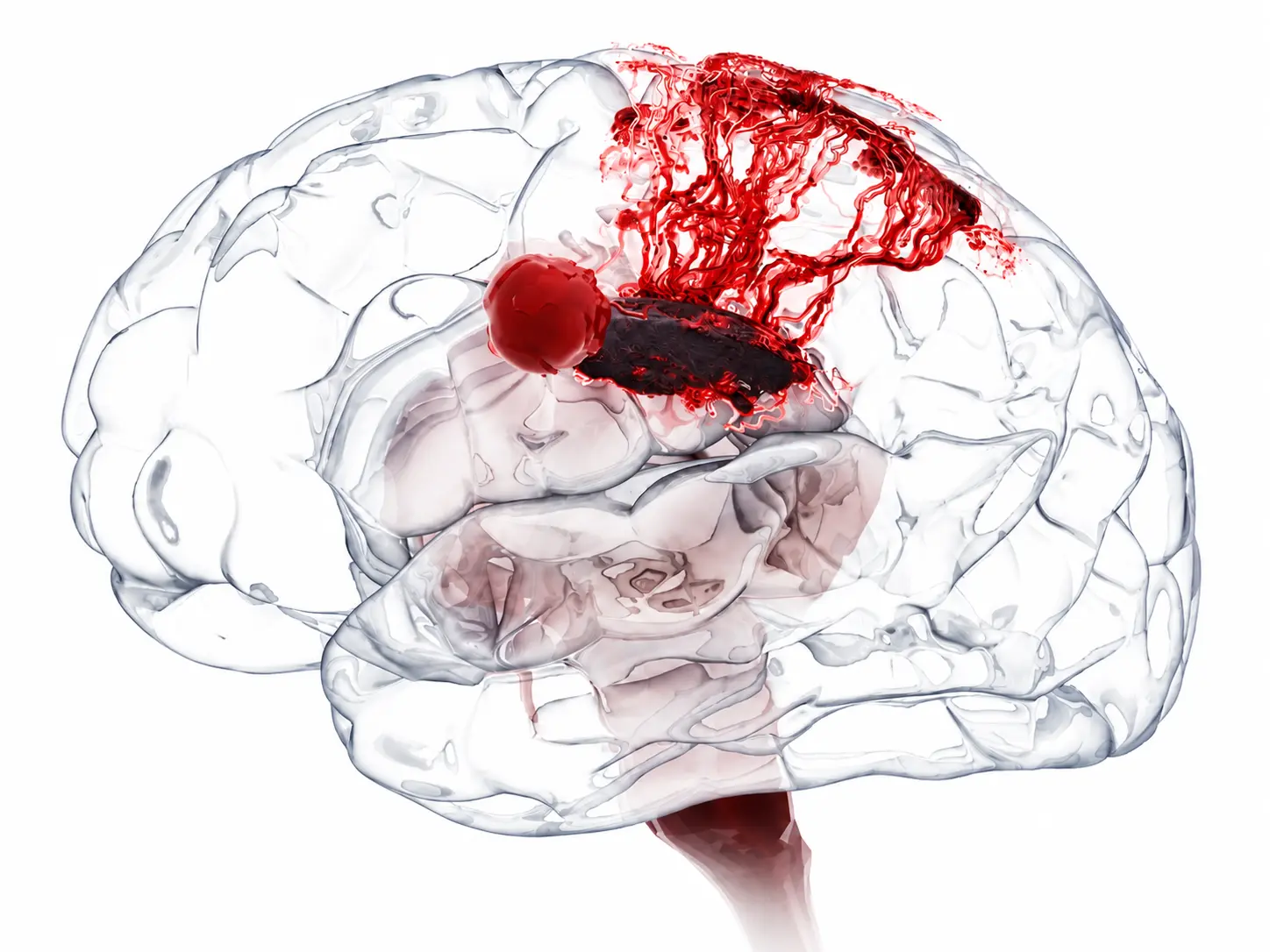
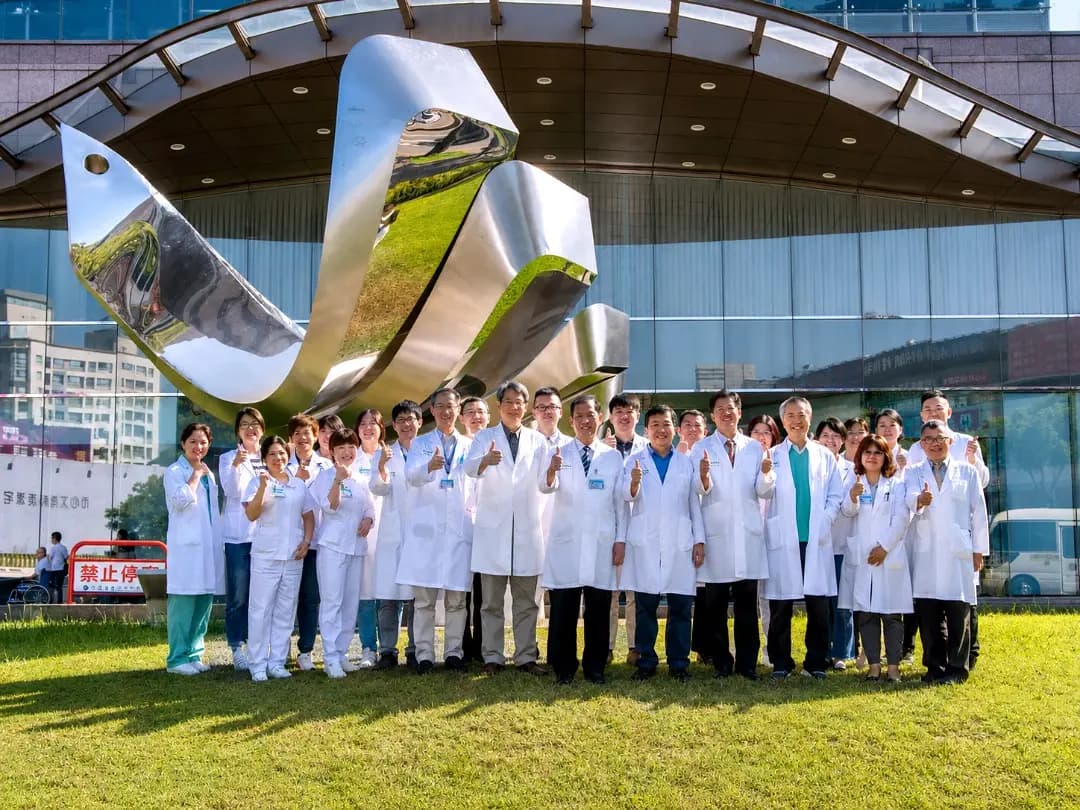
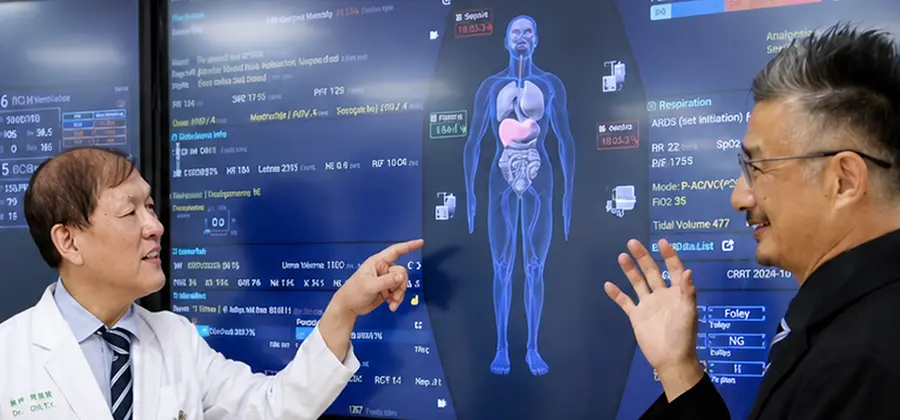
The Stroke Center at China Medical University Hospital is committed to delivering rapid, precise, and comprehensive stroke care. Recognizing that time is critical in stroke management, the Center operates continuous 24/7 acute stroke services. Upon arrival, patients undergo immediate computed tomography (CT) imaging with artificial intelligence (AI)–assisted analysis, enabling rapid and accurate clinical decision-making to optimize the therapeutic window and improve outcomes. The Center also advances minimally invasive stroke interventions. For intracerebral hemorrhage, endoscopic minimally invasive surgery combined with patented hematoma evacuation techniques is utilized to reduce surgical trauma and enhance recovery. Led by Superintendent Te-Yang Chou, the Center integrates multidisciplinary expertise in neurology, neurosurgery, emergency medicine, medical imaging, and rehabilitation medicine, providing seamless care from emergency treatment through recovery. During hospitalization, smart healthcare solutions, including the Aibao Medical Intelligent Robot, support patient education, promote healthy lifestyle modification, and reduce the risk of recurrent stroke. Guided by the principles of smart healthcare and precision medicine, the Center continuously advances clinical capabilities and care pathways, striving to serve as a leading center of excellence in stroke management both nationally and internationally.
Delivering comprehensive, patient-centered stroke care that surpasses international standards, encompassing holistic and multidisciplinary treatment approaches.
Achieving low stroke mortality rates with optimal utilization of medical resources.
Maintaining a stroke registry database comprising over 40,000 cases .
Delivering advanced stroke care through interventional cerebrovascular therapies, including intravenous thrombolysis (tPA) and endovascular thrombectomy (EVT), to optimize clinical outcomes.
Implementing innovative CT perfusion protocols (CBF and CBV) in emergency settings.
Developing advanced stroke imaging interpretation systems (NCCT, ICH, and CTP) to enhance diagnostic speed and accuracy, enabling timely and precise treatment.
Performing ultra-early decompressive surgery for malignant cerebral infarction.
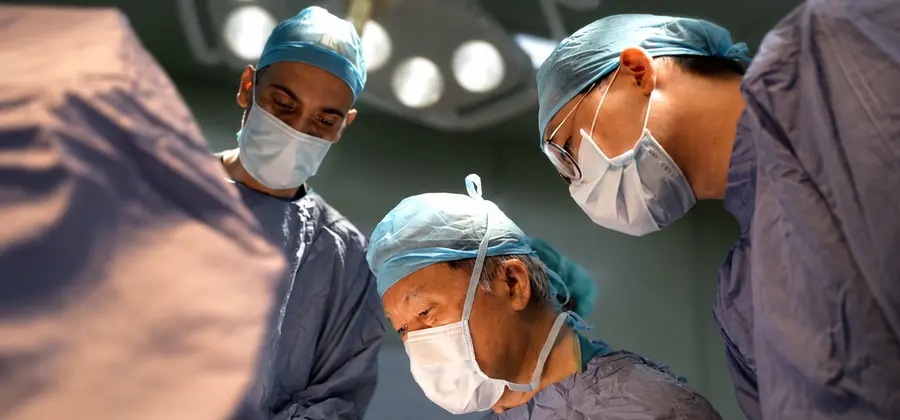
Pioneering minimally invasive endoscopic hematoma evacuation techniques.
Establishing innovative surgical indices and indications for intracerebral hemorrhage.
Advancing clinical trials of exosome-based therapies for stroke treatment.
Developing cerebral revascularization (bypass) techniques for middle cerebral artery stenosis or occlusion.
Promoting innovative clinical research and translational medicine programs.
In 2025 , the hospital ranked first nationwide in the number of ischemic stroke patients treated, with a total of 6,414 cases, reflecting strong clinical capability and high patient trust.
The interventional treatment rate reached 27.1% (intravenous thrombolysis and endovascular thrombectomy), demonstrating expanding capacity in advanced stroke care.
Among acute ischemic stroke patients, 70.6% received arterial thrombectomy within 90 minutes of arrival.
Post-thrombectomy outcomes included a 2.9% rate of symptomatic hemorrhage and a mortality rate of 7.1%.
At 90 days post-onset, 41.7% of patients achieved favorable outcomes (mRS ≤ 2).
The hospital has performed over 700 intracranial and extracranial vascular reconstruction procedures and published multiple studies in international journals.
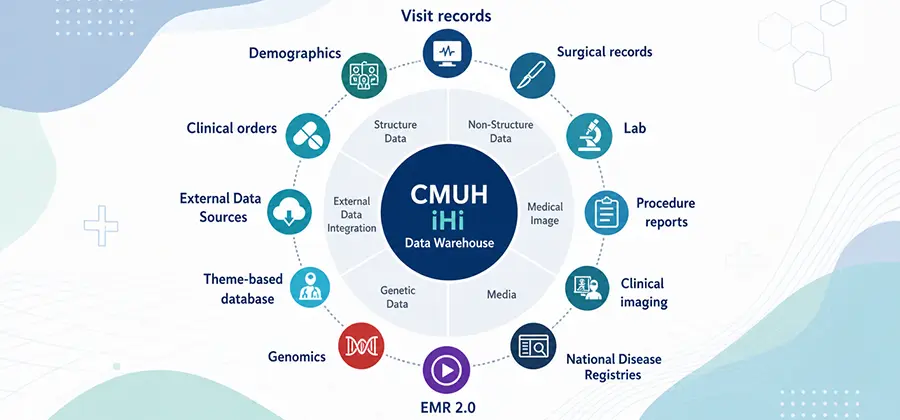
Integration of AI center and big data has enabled advanced stroke imaging analysis systems (NCCT, ICH, CTP), improving diagnostic speed and accuracy.
Comprehensive post-acute care and rehabilitation services facilitate seamless transitions, with approximately 300 patients referred and a compliance rate near 80%, enhancing recovery and quality of life.
The rate of mechanical thrombectomy among eligible patients with acute ischemic stroke was 16.9%, surpassing the peer benchmark of 13.5%.
The rate of symptomatic intracranial hemorrhage within 36 hours (inclusive) following mechanical thrombectomy in patients with acute ischemic stroke was 2.9%, which is lower than the peer benchmark of 4.6%.
The in-hospital mortality rate for patients with acute ischemic stroke, including critically ill patients discharged against medical advice, was 3.2%, outperforming the peer benchmark of 4.7%.
The in-hospital mortality rate for patients with intracerebral hemorrhage (ICH) stroke, including critically ill patients discharged against medical advice, was 13.2%, outperforming the peer benchmark of 15.5%.
The in-hospital mortality rate for patients with subarachnoid hemorrhage (SAH) stroke, including critically ill patients discharged against medical advice, was 19.8%, outperforming the peer benchmark of 23.8%.
Patients rated the healthcare team’s ability to provide assistance for disease-related needs at 4.7.
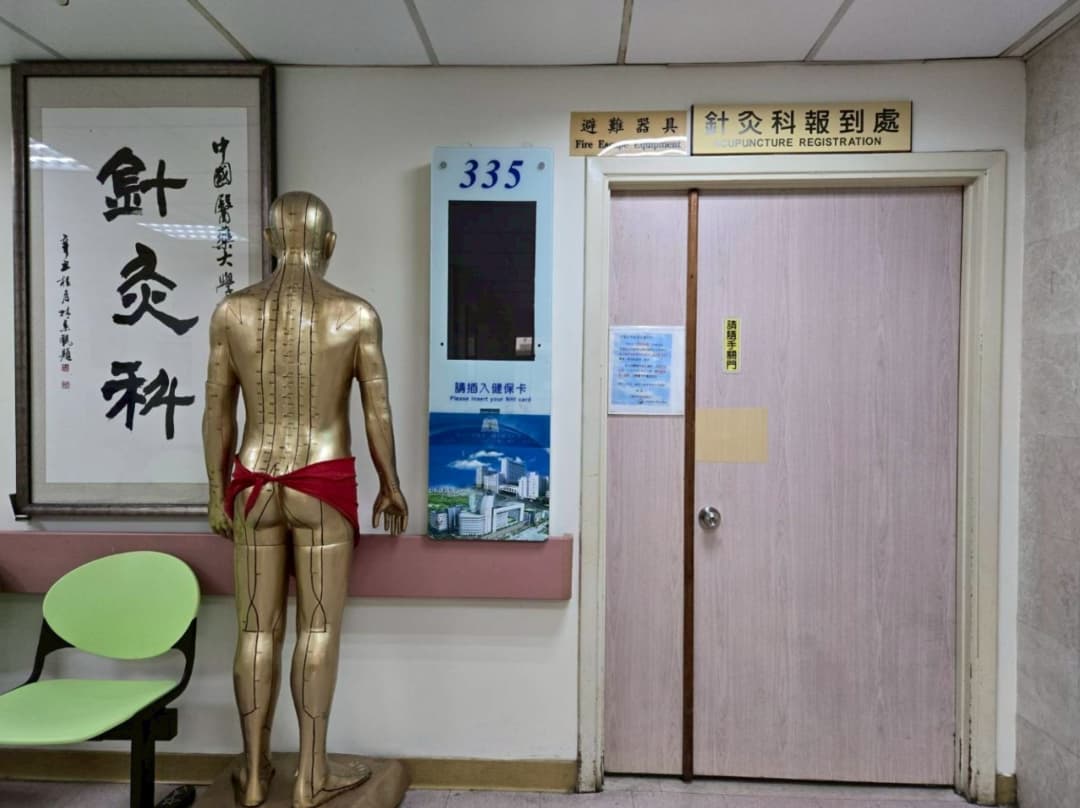
The satisfaction score for the hospital’s rehabilitation services, acupuncture treatment, and related interventions was 4.7.
Patients rated the provision of health education information related to stroke and their condition at 4.6.
The satisfaction score for the consistency of care throughout the healthcare process was 4.6.
Patients rated the overall care provided during hospitalization at 4.6.
Patients rated healthcare professionals’ ability to answer their questions clearly in a way they could understand at 4.8.
Patients rated the smoothness of the examination and testing process at 4.8.
Patients rated the reasonableness of the various waiting times throughout their outpatient visit experience at 4.8.
Patients rated the hospital’s directional signage as providing clear guidance to their intended destination, with a score of 4.7.
Patients rated the hospital as providing a safe public environment that helps reduce the risk of falls at 4.7.
Patients rated the convenience of using the progress inquiry function in the CMUH iCAN app at 4.8.
Patients rated their satisfaction with the hospital’s overall outpatient services at 4.8.
This work has been invited for presentation at the American Stroke Association and the American Association of Neurological Surgeons, and has received special recognition through a dedicated editorial recommendation by the Editor-in-Chief of a journal of the Society of Critical Care Medicine.
Invited to deliver a keynote lecture at the World Congress of Endoscopic Surgery, and selected for a featured presentation at the Annual Meeting of the American Association of Neurological Surgeons, reflecting international recognition of its clinical and academic contributions.
Three publications have been incorporated into the American Heart Association/American Stroke Association (AHA/ASA) clinical guidelines for the management of intracerebral hemorrhage, underscoring their significant impact on international standards of care.
As the lead institution for the Central Taiwan “Regional Network Program for Endovascular Thrombectomy in Stroke Care,” it delivers coordinated, high-quality, and safe referral services for patients with acute and critical cerebrovascular conditions. Through streamlined transfer mechanisms, the program seeks to reduce treatment delays, increase timely intervention rates, and improve patients’ functional recovery outcomes.
Actively promotes and aligns with national stroke care policies and initiatives, resulting in measurable reductions in complications, readmission rates, emergency department visits, and mortality, thereby improving overall patient outcomes.
The Stroke Center of China Medical University Hospital leads the world’s second-largest stroke registry, encompassing over 40,000 cases, highlighting its significant contribution to large-scale clinical data and global stroke research.