Children under 18 at risk of COVID-19 exposure
Children under 18 with acute COVID-19 infections
Children under 18 experiencing post-COVID-19 or long COVID symptoms
Our team is committed to providing integrated care for children facing COVID-19 infections, encompassing comprehensive services from prevention and treatment to post-COVID and long COVID follow-up. We support children through vaccination to full recovery with personalized, high-quality medical services aimed at ensuring health and well-being. With the hospital’s full support, our team continuously enhances service quality and medical standards through specialized care and innovative technology. Our goal is to be a leading integrated care center for pediatric COVID-19 infections, aligned with national quality standards, offering exceptional, safe, and innovative medical services for children.
The medical team provides a standardized care process for children at risk of COVID-19 infection :
1.Pediatric COVID-19 Vaccination
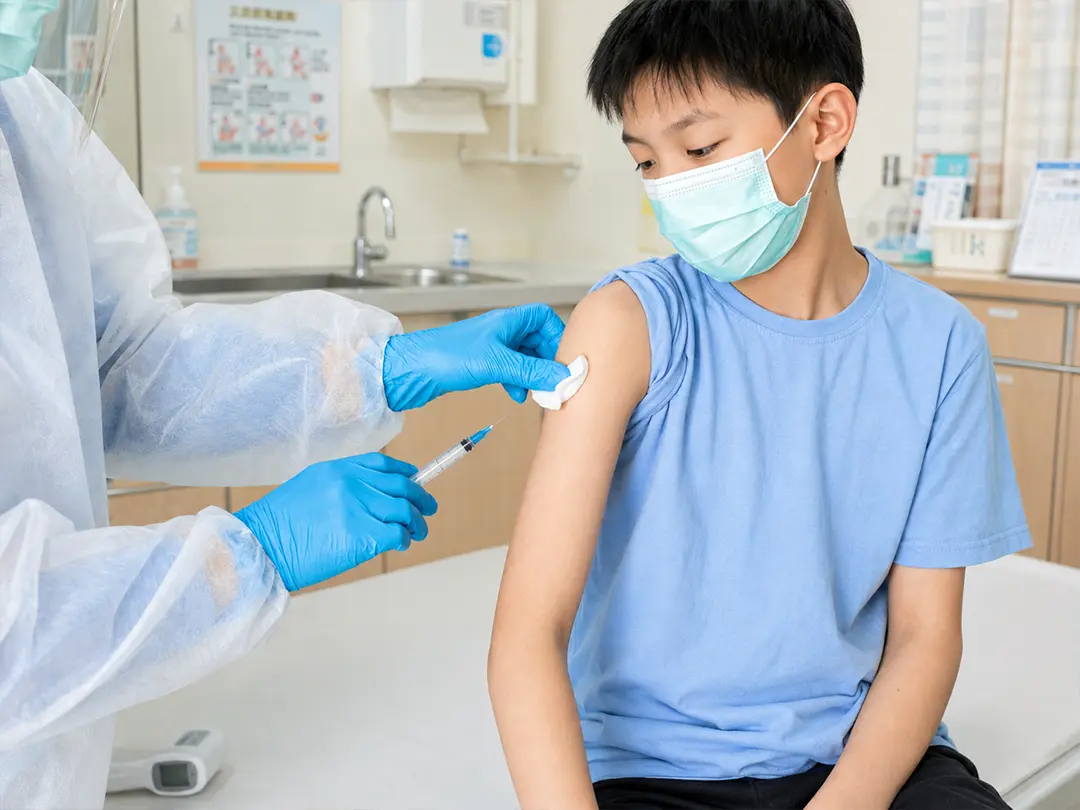
During the pandemic, based on Taiwan CDC recommendations, pediatric COVID-19 vaccinations were provided. COVID-19 vaccinations are now incorporated into routine services.
A consultation clinic for adverse reactions is available.
2.Acute Treatment for Pediatric COVID-19 Infections
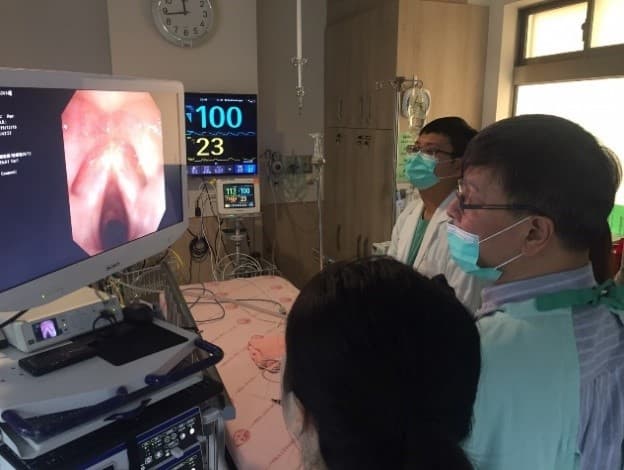
The team participated in drafting pediatric COVID-19 treatment guidelines. Treatment is stratified by disease severity and includes telemedicine, emergency care, hospitalization, and critical care. These services remain available. All cases are recorded for follow-up.
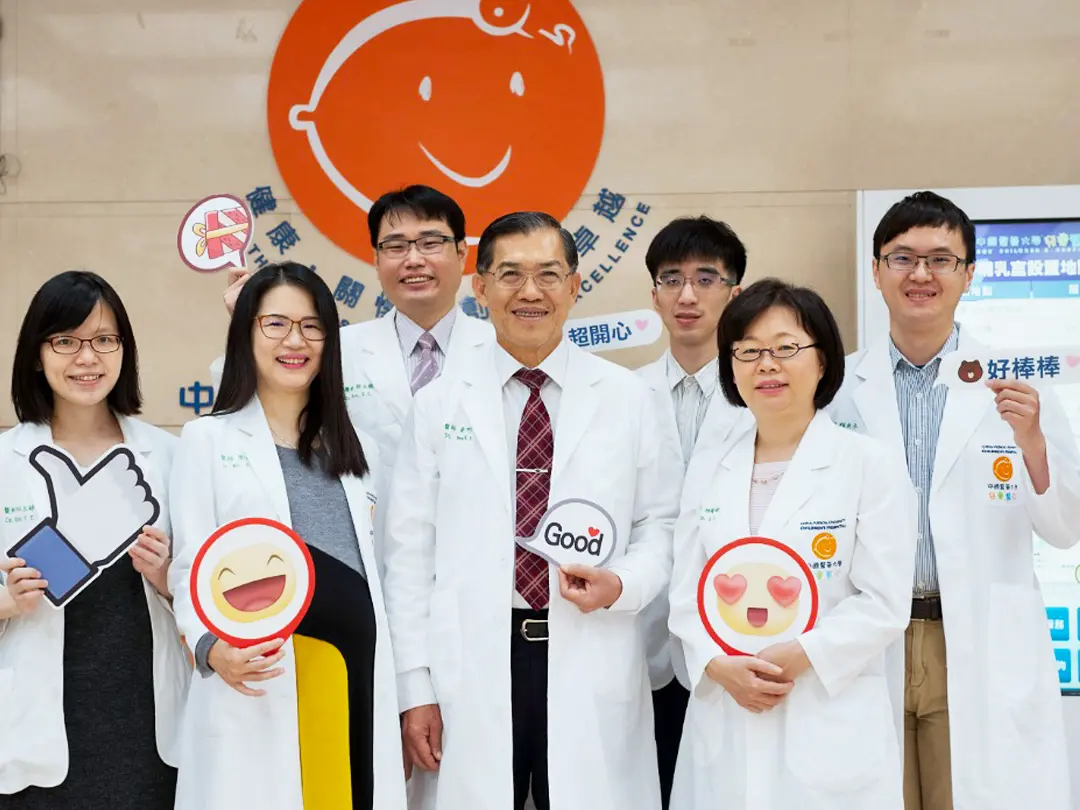
Led by Professor Kao-Pin Hwang, the team comprises specialists in multiple pediatric fields with nursing and allied health professionals.
Services are extended through telemedicine and a transfer platform, providing remote consultations and referral systems.
3.Pediatric Post/Long COVID Recovery
The hospital established the Pediatric Post-COVID/Long COVID Clinic in 2022. The DISCOVER program tracks recovery.
All cases are enrolled for follow-up. One month after infection, SMS and forms assess recovery. Case managers follow up if needed. Clinics provide multidisciplinary treatment.
Children are invited to a vitamin D study. This double-blind trial is registered in ClinicalTrials.gov. QR codes facilitate data collection.
1.Pediatric COVID-19 Vaccination
A total of 536 pediatric COVID-19 vaccine doses have been administered.
The Pediatric Infectious Diseases Department provides the specialized clinic addressing adverse reactions, reporting 142 cases, including 13 cases of myocarditis. These myocarditis cases were managed by pediatric cardiologists with other specialists.
2.Acute Treatment for Pediatric COVID-19 Infections
Since the onset of the COVID-19 pandemic, the team has been responsible for the referral and care of complex pediatric COVID-19 cases in central Taiwan.
A total of 1,112 pediatric COVID-19 hospitalizations have been treated, with all patients discharged after recovery, except for one case of encephalitis that resulted in death despite intensive care.
This case was reviewed during Pediatric Infectious Disease meetings to improve care strategies. The team also discussed the case with the child’s family and conducted genetic testing to identify factors contributing to severe encephalitis.
3.Pediatric Post-COVID/Long COVID Recovery
Follow-up efforts include phone calls and SMS messages to monitor post-COVID status and provide information about clinic services.
A total of 3,826 follow-up calls and messages have been made.
The team has conducted assessments and established a database for pediatric post/long COVID cases, enrolling 565 children.
Among them, 221 children have joined the vitamin D intervention study, a double-blind randomized trial registered in ClinicalTrials.gov.
1.Pediatric COVID-19 Vaccination Adverse Reaction Clinic
The Pediatric Infectious Diseases Department operates a clinic for managing adverse reactions to COVID-19 vaccines. A total of 142 cases have been reported, 13 of which involved myocarditis. The 13 cases were managed by pediatric cardiologists. All patients recovered and were discharged.
2.Acute Pediatric COVID-19 Treatment
Since the pandemic, the team has overseen the care of pediatric COVID-19 cases in central Taiwan.
A total of 1,112 pediatric COVID-19 patients have been hospitalized, with all recovering and discharged, except for one encephalitis case that led to death.
The mortality rate for moderate-to-severe cases is 0.09%, lower than the national average of 5.06%.
3.Post-COVID/Long COVID Follow-Up and Recovery
The hospital continues to operate its clinic for children with post-COVID symptoms.
The hospital has tracked 565 children with post-COVID symptoms.
The team has conducted a clinical study on post-COVID conditions in children, focusing on vitamin D.
4.Research Publications and Conference Presentations
The team has presented findings at conferences including the Taiwan Pediatric Association, ECCMID, and IDWeek.
Research has been published, totaling 30 articles, 5 conference papers, and 11 presentations.
5.Collaborative Research with AIM
In collaboration with the AIM Research Centre, the team conducts research on immunology and microbiome.
The team has developed protein microarray technology and identified rfhSP-D.
Mortality rate for moderate-to-severe pediatric COVID-19: 0.16%
Significantly lower than national average of 5.06% for the same age group
Boston Children's Hospital multi-center average mortality rate: 1.8%
Outpatient satisfaction with the outpatient care team was 91.5 in the first half of 2021 and 93.6 in the second half. In 2022, it was 93.9 in the first half and 93.6 in the second half.
Emergency department patient satisfaction with the emergency care team was 89.7 in the first half of 2021 and 90.2 in the second half, increasing to 92.9 in the first half of 2022.
Inpatient satisfaction with the overall ward care team was 95.4 in 2021 and 93.6 in the second half of 2021, and 95.4 in 2022.
The team has compiled and presented its treatment experiences and outcomes at prestigious academic conferences and published in high-impact international journals. Notable presentations include the Taiwan Pediatric Association Annual Scientific Meeting, the European Congress of Clinical Microbiology and Infectious Diseases (ECCMID 2023, ECCMID 2024), and the Infectious Diseases Society of America (IDWeek 2024).
The team continues to compile and publish COVID-19-related research, sharing best practices for COVID-19 management with both domestic and international communities. In addition to actively conducting clinical research on COVID-19, the team has also contributed to foundational research on the disease.
Key Contributions:
International Journal Publications: 30 articles
Conference Papers: 5 presentations
Taiwan Pediatric Association Annual Meeting Presentations: 11 presentations
新冠病毒感染時期流行病學研究
新冠疫苗研發與應用研究
兒童急性新冠感染研究
新冠感染臨床指引
新冠病毒機轉研究
兒童後新冠症候群研究
1.Adverse Reaction Feedback System
Pharmacists provide feedback on COVID-19 vaccine adverse reactions to clinical physicians.
2.Weekly Clinical Case Discussions
The Pediatric Infectious Diseases Department holds weekly case discussions. In complex pediatric COVID-19 cases, interdisciplinary meetings are conducted to explore treatment strategies.
These discussions evaluate COVID-19 care protocols.
3.Monthly Post-COVID Care Meetings
The hospital hosts monthly meetings to assess follow-up progress for pediatric COVID-19 patients.
These meetings review recovery and symptoms.
4.Emergency Care Safety Measures
Infection control measures include hand hygiene, disinfection, protective equipment, and cleaning.
5.Inpatient Care Safety Measures
Infection control protocols are implemented, including hygiene, cleaning, and patient isolation.
Regular health assessments are conducted.
As of September 29, 2024, there have been no reports of safety incidents.
6.Medication Safety
Vaccination: Pediatric COVID-19 vaccines are provided by health authorities. The hospital follows guidelines.
COVID-19 Treatment: Medications follow guidelines, with dosages based on age, weight, and condition.
Vitamin D in Post-COVID Research: Vitamin D is used following guidelines.
As of September 29, 2024, there have been no reports of severe adverse drug reactions.