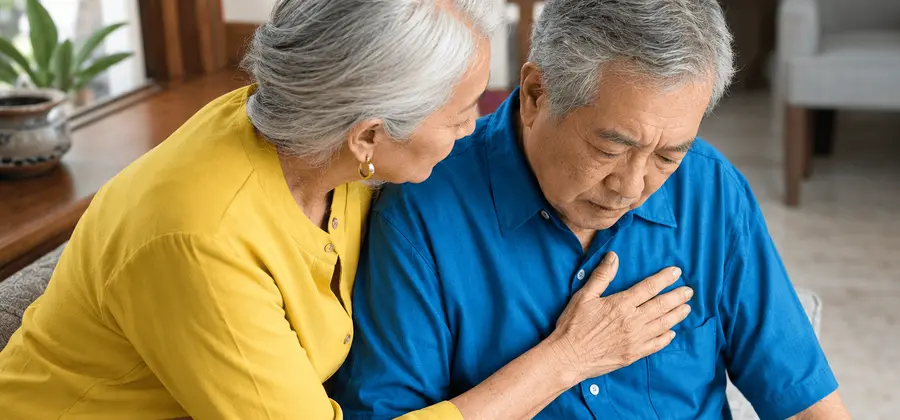
Heart disease
Stroke
Cancer
Post–critical illness frailty
Community-dwelling older adults
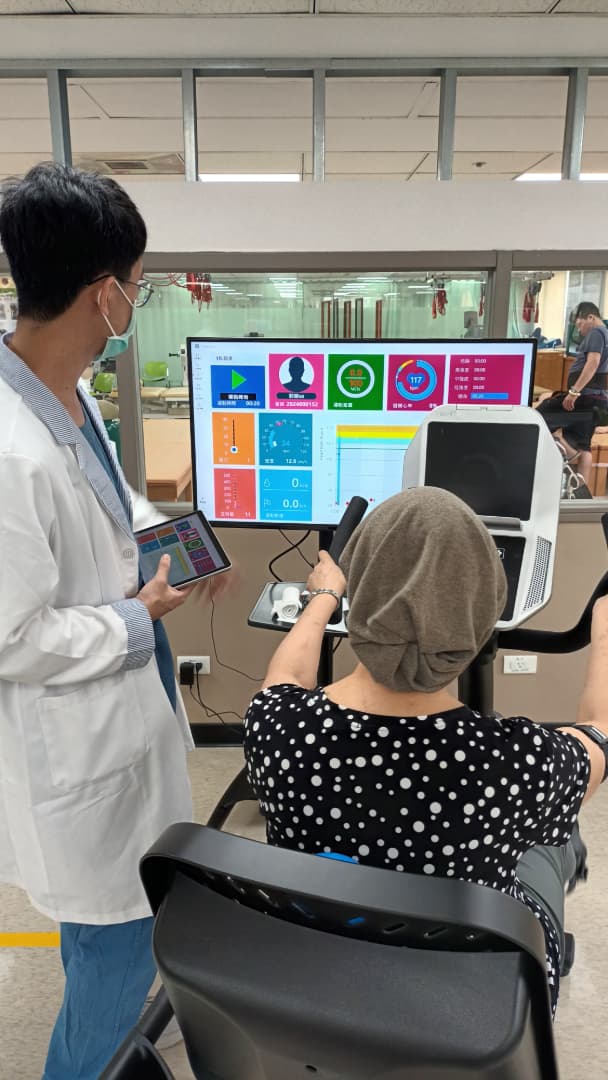
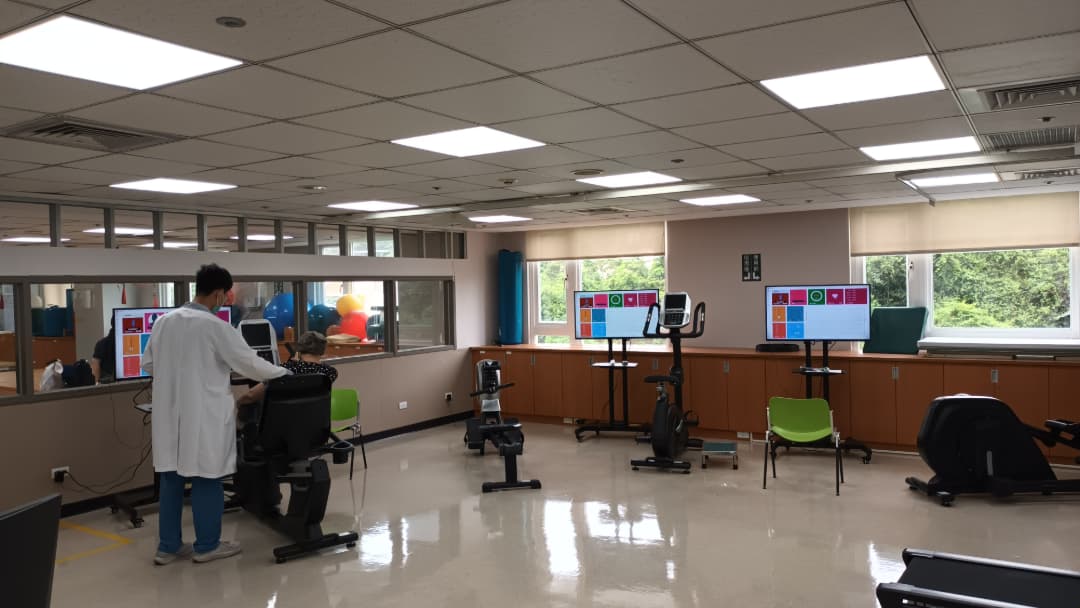
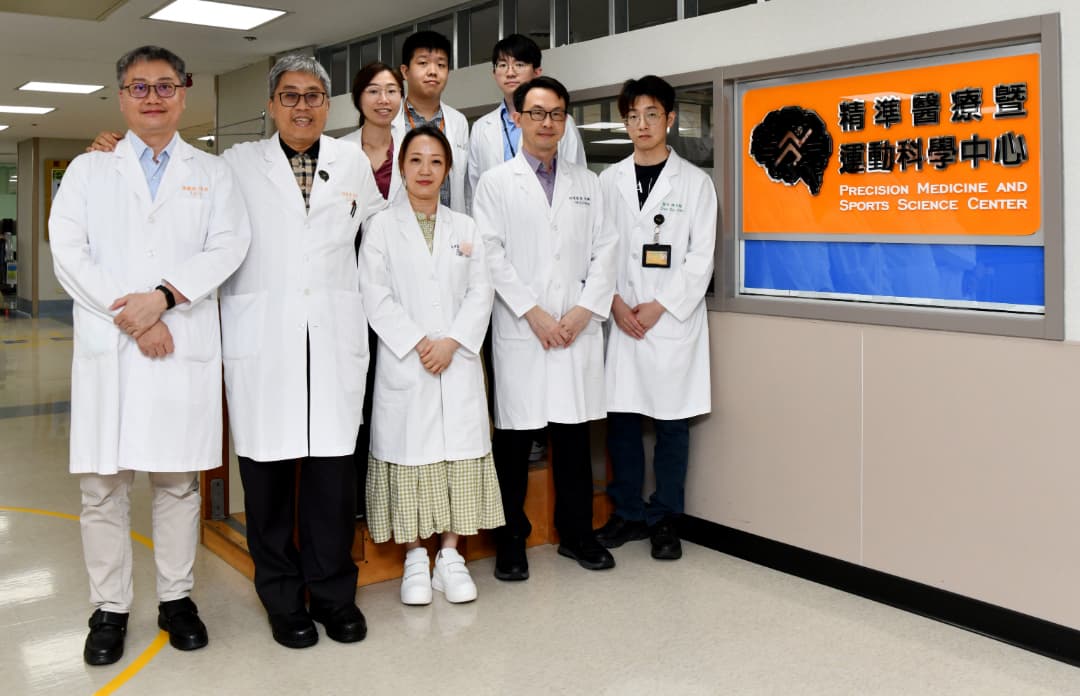
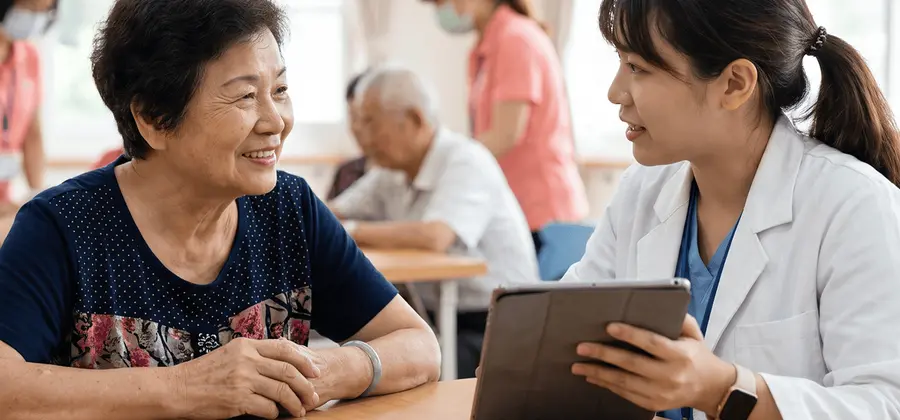
The " Cardiopulmonary empowerment through diversified collaboration, moving towards sustainable development of holistic healthcare and resilient health" program at Keelung Chang Gung Memorial Hospital pioneers the field of cardiopulmonary rehabilitation for heart failure in Taiwan. This program integrates a multidisciplinary team (including cardiology, rehabilitation, oncology, nutritionists, and others), successfully overturning the traditional belief that heart failure patients should avoid exercise. Through a rigorous safety protocol and personalized exercise prescriptions, it has significantly reduced mortality and readmission rates among heart failure patients. Building on this foundation, the service has expanded to include populations such as stroke survivors, cancer patients, individuals with post-intensive care unit (ICU) weakness, and the elderly in the community, with remarkable outcomes. In 2020, the program introduced the T-SoX intelligent circular exercise system, which combines wearable devices with AI-driven analytics, providing precise, data-driven rehabilitation training and significantly enhancing both effectiveness and safety with smart healthcare technology. The program is committed to rebuilding patients' core physical functions and extending its services to the community, aligning with the United Nations Sustainable Development Goals and trends in healthy aging.
The first nationwide heart failure rehabilitation model, breaking long-standing traditional contraindications to exercise.
Expansion of services to diverse populations, including stroke survivors, cancer patients, and frail older adults.
The T-SoX intelligent circular exercise system, integrating AI-based exercise prescriptions with wearable monitoring technologies.
Multidisciplinary team collaboration to ensure the safety and quality of care for high-risk patients.
Extension of cardiopulmonary rehabilitation from hospital settings to the community, promoting healthy aging.
Average monthly patient screening volume: 78 individuals
Average monthly number of patients receiving cardiopulmonary rehabilitation: 8.63 individuals
Implementation rate of early rehabilitation in the intensive care unit (ICU): 100%
Ten-year overall survival rate in patients with heart failure: 80.3%
Five-year mortality rate in patients with heart failure: reduced by more than 58%
Heart failure readmission rate: decreased from 20% to 10%
Completion rate of cardiopulmonary rehabilitation: 60%
Outpatient cardiopulmonary rehabilitation implementation rate: an average of 85%
Exercise adherence among stroke patients: 100%
14-year cardiovascular event–free survival rate: 91.3%
Peak oxygen uptake (V̇O₂ peak): overall increase of 15% to 21%
Left ventricular ejection fraction (LVEF): significantly increased to 48.2%
6-minute walk test (6MWT) distance in stroke patients: increased by 55 meters
Incidence rate of rehabilitation-related safety events: three-year average of 0.023
Emergency rescue success rate for safety events: 100%
Cardiopulmonary rehabilitation satisfaction: average score above 4.6
Exercise adherence among stroke patients: reached 100%
Heart failure quality of life questionnaire scores: showed significant improvement
The thrombosis model has been included in medical textbooks.
Multiple papers have been published in international SCI-indexed journals.
Establishing standards for heart failure rehabilitation: As a pioneer, successfully reduced mortality and readmission rates, and participated in the development of national guidelines.
Expanding the application of cardiopulmonary rehabilitation: Services extended to multiple conditions such as cancer and stroke, optimizing care outcomes.
Advancing smart precision medicine: Implementation of the T-SoX/AI system to transform exercise prescriptions into data-driven approaches, enhancing effectiveness and safety.
Promoting sustainable healthcare: Extending services into the community, aligning with WHO Healthy Ageing initiatives and the United Nations Sustainable Development Goals (SDGs).