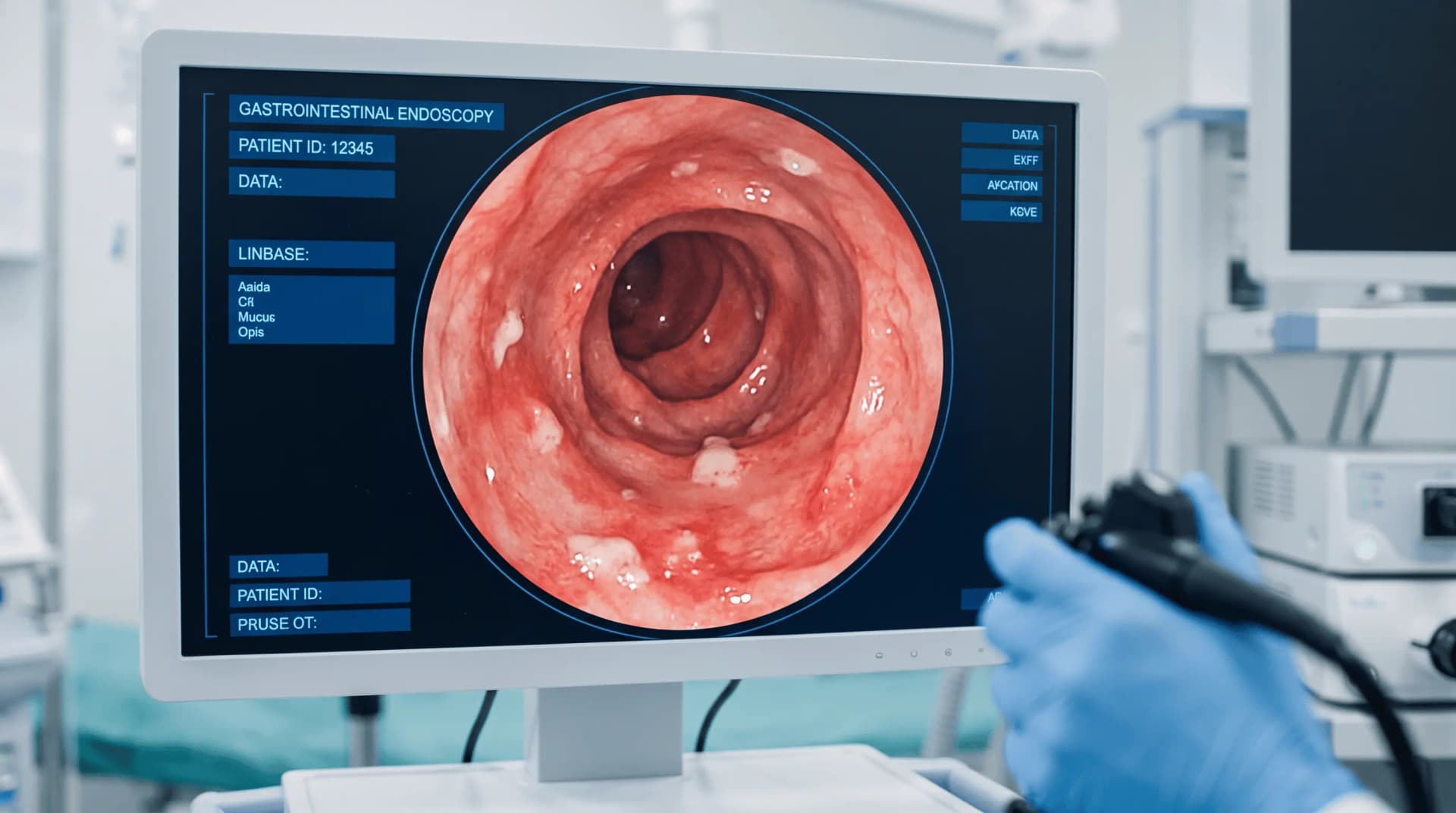
Cancer patients requiring radiotherapy.
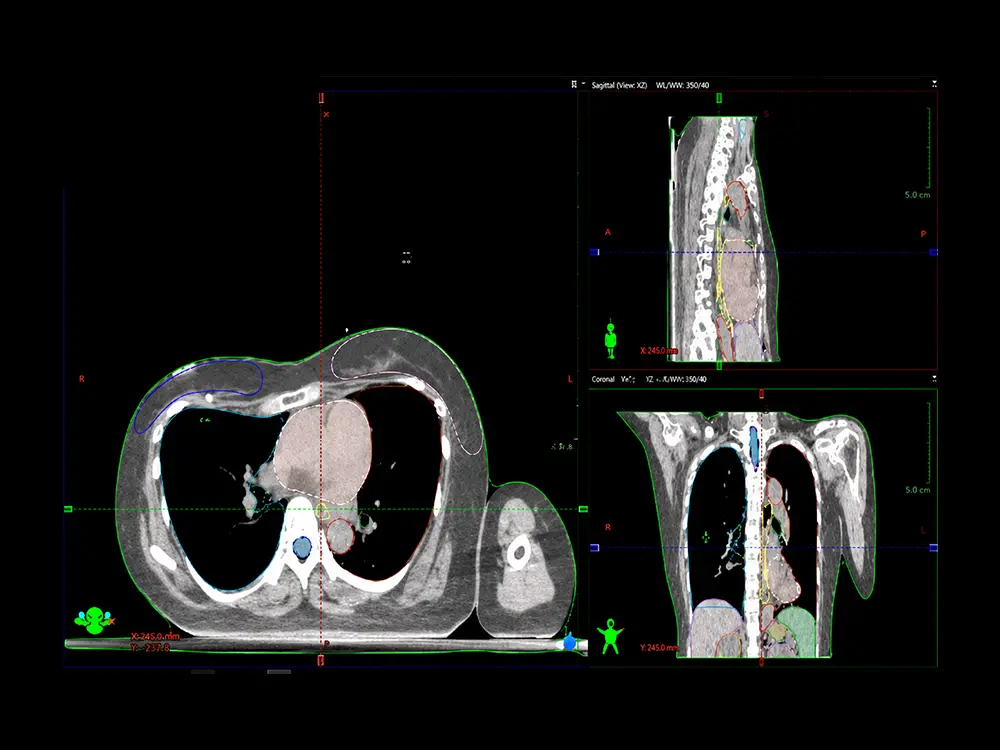
The artificial intelligence technology developed by our team leverages AI-assisted automatic contouring of organs at risk (OAR) in radiotherapy. By integrating deep learning concepts with clinical insights and technical expertise, this innovation incorporates advanced features such as image quality enhancement, multi-modal image fusion, and multi-image-based OAR segmentation. In terms of clinical benefits, this automated contouring technology requires only about 1/30th of the time needed for traditional manual methods. It supports various medical imaging modalities, automatically delineating multiple organs at risk and tumor targets for 8 types of cancers across the body. Regarding system connectivity, the technology is fully compatible with any radiotherapy planning system that adheres to the DICOM standard. Its high accuracy and consistency contribute to maximizing the protection of surrounding healthy tissues while effectively destroying tumors. This significantly enhances workflow efficiency, reduces clinical time costs, and successfully achieves the goal of assisting physicians in precise contouring.
This technology utilizes deep learning to enhance medical image quality, achieve multi-modal image fusion, and enable automatic contouring of organs at risk (OAR). In OAR segmentation based on combined imaging, traditional methods (such as edge-based, region-growing, and graph-cut energy minimization) face limitations, including noise susceptibility, complex parameter settings, and low computational efficiency. Although Atlas-Based Auto-Segmentation (ABAS) is common clinically, it requires improvement due to limited coverage of anatomical variations and difficulties in atlas selection.
To address these challenges, this technology introduces Deep Learning Contouring (DLC). Leveraging Convolutional Neural Networks (CNN) and GPU hardware acceleration, it achieves rapid, accurate OAR contouring.
Furthermore, a preprocessing module with patching techniques allows integration with DICOM-compliant Treatment Planning Systems (TPS) to process DICOM images. Through the deep learning core module, the system automatically delineates major cancer types and relevant OARs, subsequently refining outputs via a proprietary Mask Smoothing post-processing module. Finally, data is stored in DICOM format and Radiotherapy Structure Set (RTSTRUCT) mode. This provides an efficient, precise solution that reduces physician workload, minimizes inter-observer variability, and enhances radiotherapy precision and efficiency.
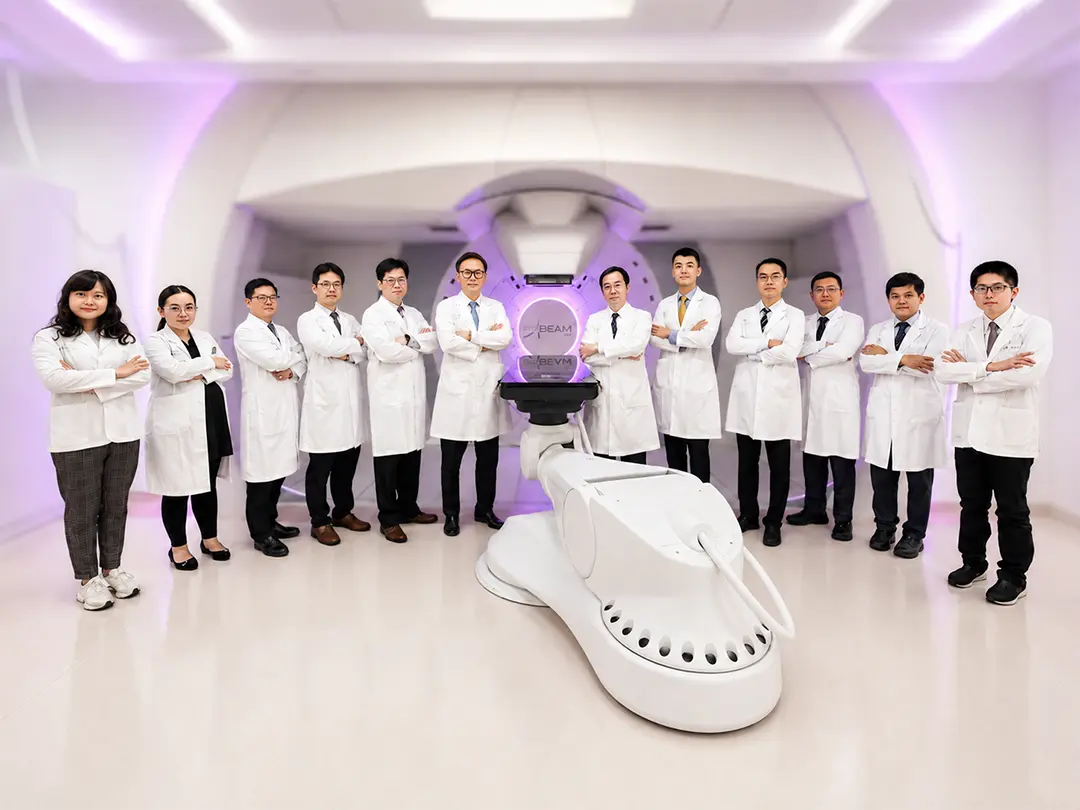
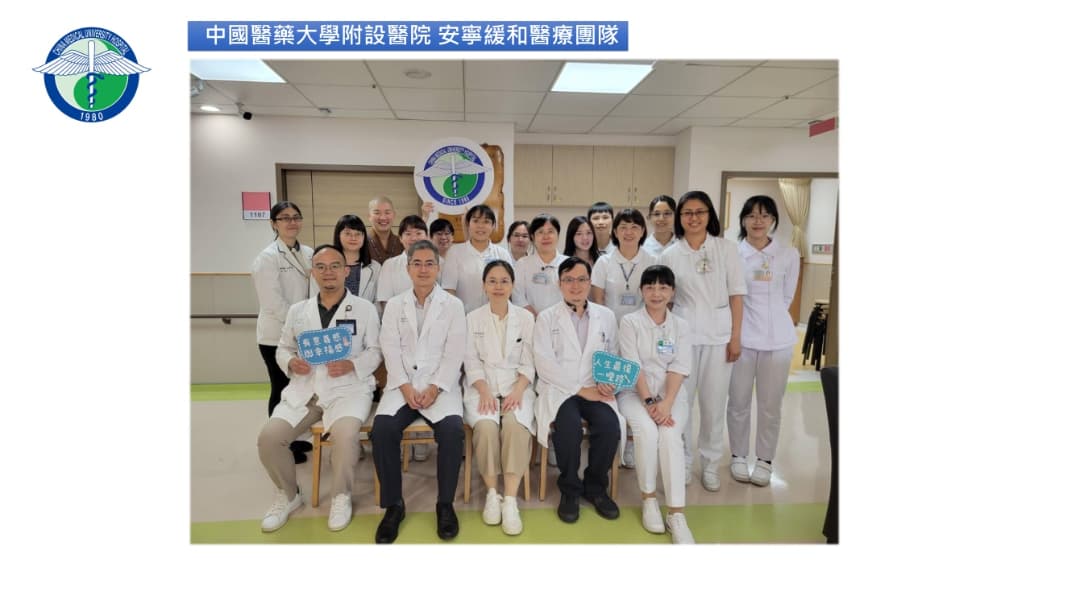
This service is delivered by a multidisciplinary radiotherapy team consisting of 58 professionals, including physicians, medical physicists, radiation therapists, and nurses. In 2022, the department treated 1,920 radiotherapy patients and recorded 2,417 treatment-start cases, of which 2,298 complete treatment plans were finished within one working day. By introducing AI-based auto-contouring, the system supports automatic identification and contouring of 17 head and neck organs at risk. It reduces the contouring time from at least 30 minutes manually to within one minute, improving treatment planning efficiency and overall clinical service capacity.
Since its official implementation in 2023, the system has been utilized approximately 3,500 times. Physician adoption has increased substantially, expanding from a few early adopters to active utilization by the majority of the staff. Many physicians highly praise the system's efficiency and accuracy, noting that it significantly alleviates their workload while enhancing treatment plan precision and patient outcomes. This widespread positive feedback further drives our ongoing commitment to refining system functionalities and providing comprehensive clinical support.
To enhance healthcare capacity and expand AI applications, we collaborate with teams across various fields to create superior medical plans and AI technologies, aiming to extend the reach of our innovations. Through a B2B business collaboration model, each team focuses on its strengths to maximize capabilities: hospitals are responsible for data development and validation, while Changjia Intelligence provides technical support, assists in securing patents and medical device certifications, and facilitates subsequent promotion.
Domestically, we target all hospitals performing radiotherapy as potential promotion sites. Internationally, we are exploring commercial partnerships with leading global medical device companies such as Varian, GE Healthcare, and Philips to expand AI applications in the radiotherapy field.
Additionally, we are committed to talent cultivation and job creation by offering practical field experience to nurture IT professionals, AI engineers, digital healthcare AI physicists, technical staff, and business specialists. We also attract key domestic and international talent, thereby increasing employment opportunities in the biopharmaceutical, digital healthcare, and software industries. This effort drives industrial growth and fosters the development of these sectors.
The Department of Radiation Oncology has established a set of quality indicators to ensure treatment safety, efficiency, and high-quality services. These include: maintaining an accelerator availability rate exceeding 95% to ensure stable equipment operation and minimize patient wait times; keeping treatment wait times under 2 days for new patients; and limiting the treatment dose anomaly rate to below 0.03% to enhance disease control and reduce medical disputes.
Additionally, delays in curative radiotherapy due to side effects must remain under 20% to ensure treatment continuity. Over 90% of treatment plans must be completed within 1 day, and timely radiotherapy summaries should exceed a 90% completion rate. Major cancer treatment incidents must be limited to fewer than 2 annually, and pre-treatment planning completed two days prior should reach 75% or above.
These indicators comprehensively enhance radiotherapy quality across equipment operation, timeliness, and safety. Furthermore, the system has obtained US FDA 510(k) clearance and TFDA medical device approval to ensure the safety of clinical software implementation.
The system has been trialed by 48.7% of radiation oncology departments across Taiwan, receiving highly positive feedback from clinical radiation oncology professionals.
To enhance medical capacity and expand AI applications, we collaborate with multidisciplinary teams to maximize capabilities through a B2B model, where the hospital drives development and validation while Ever Fortune AI (EFAI) provides technical support, patent acquisition, and regulatory clearances. Domestically, we target all radiotherapy-performing hospitals; internationally, we are pursuing commercial partnerships with global medical device giants such as Varian, GE Healthcare, and Philips. Furthermore, we are dedicated to talent cultivation and job creation, nurturing IT engineers, medical AI physicists, and business specialists to drive industry growth.
The AI auto-contouring technology has completed its regulatory and international layout, securing US FDA 510(k) clearance and Taiwan TFDA medical device approval in 2022, demonstrating its high safety and clinical value. Our relevant research outcomes have also been published in leading international journals, including "Radiotherapy and Oncology" and the "Journal of Medical and Biological Engineering," significantly elevating the global visibility of this system in the field of radiotherapy AI.