Family History: Men 45-74 / Women 40-74 (parents, children, or siblings).
Heavy Smokers: 50-74 with 20+ pack-years (incl. quit <15 yrs).
Other high-risk groups with specific factors.
Lung cancer has been the leading cause of cancer deaths in Taiwan for 20 consecutive years (since 2004), claiming over 10,000 lives annually. Similarly, it remains the deadliest cancer in many Western developed countries, with more than 50% of cases diagnosed at a late stage.
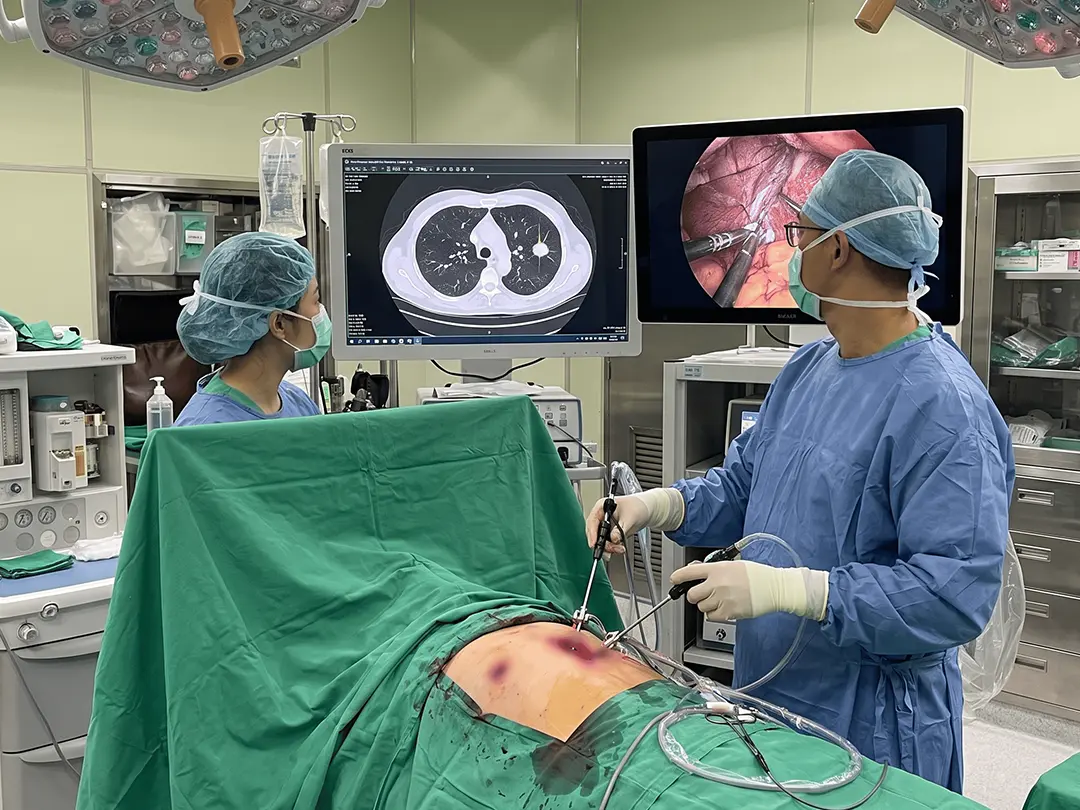
Since July 2022, our hospital has aligned with the Health Promotion Administration’s initiatives to launch the "One-Stop Lung Cancer Screening Service." This program integrates a multidisciplinary team, including Thoracic Surgery, Pulmonary Medicine, and Radiology. By leveraging proactive follow-up calls, community referrals, health education, and "on-demand" Low-Dose CT (LDCT) scans, we provide seamless care. Combined with AI-assisted image interpretation and advanced minimally invasive surgery (including the Da Vinci Robotic System), we aim to increase early detection rates and realize the vision of "Medical Equity"—where medical expertise reaches the patients, especially in rural areas.
One-Stop "Green Channel" Service: Dedicated personnel provide full accompaniment, offering on-demand LDCT scans. This streamlined process has reduced turnaround time by 38%.
AI-Assisted Diagnostics: The implementation of an AI interpretation system has increased the detection rate of micronodules by 25% and shortened interpretation time by 29%.
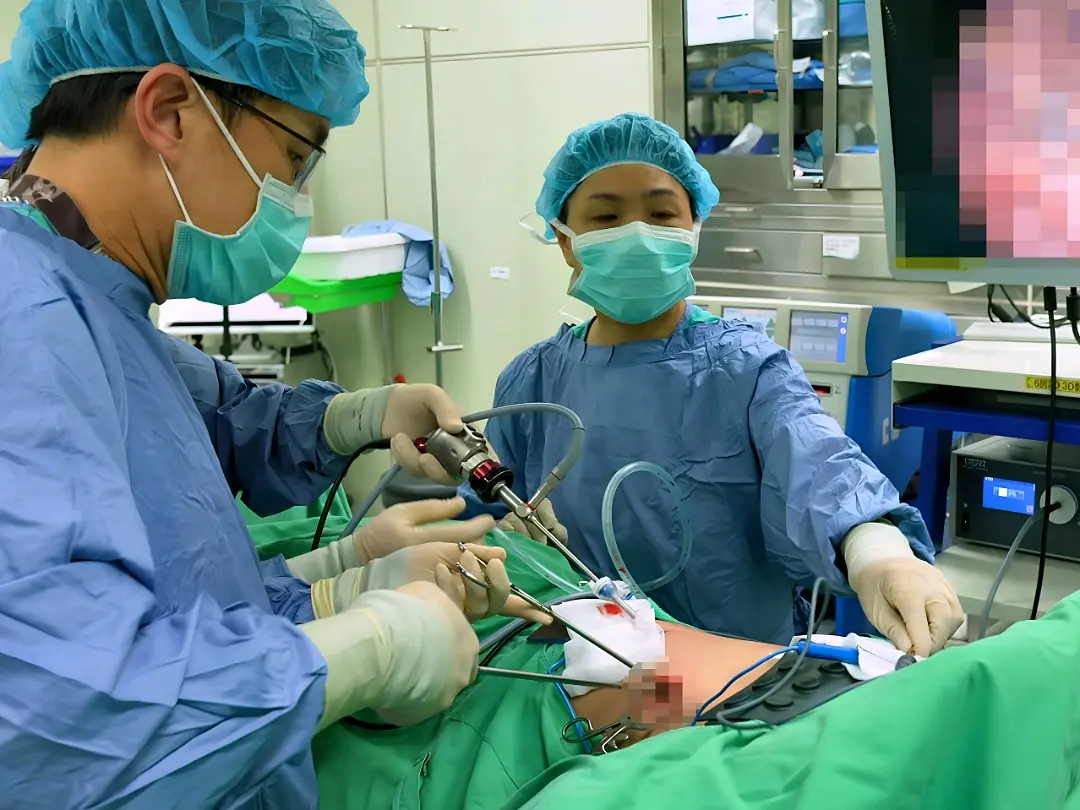
Advanced Minimally Invasive Technology: The hospital has achieved a 95–97% success rate for minimally invasive surgeries in treating pulmonary nodules.
Proactive Outreach: Conducted follow-up and care calls to 1,221 individuals between 2022 and 2024.
Screening Volume: Completed a cumulative total of 757 Low-Dose CT (LDCT) screenings.
Service Excellence: Achieved an average patient satisfaction score of 4.8 / 5.0.
High-Risk Targeting: The detection rate among individuals with a family history reached 1.32%, effectively identifying high-risk populations.
Patient Retention: The hospital maintained a high retention rate of 95% for lung cancer patients receiving continuous treatment.
Surgical Excellence: Achieved a 100% surgical success rate for early-stage patients diagnosed via LDCT screening.
Survival Outcomes: The 5-year survival rate for early-stage lung cancer patients reached an impressive 93.97%.
Reduced Complications: The incidence of postoperative complications decreased from 3.8% to 2.2%.
ERAS Implementation: Successfully implemented Enhanced Recovery After Surgery (ERAS) protocols, increasing the 24-hour early mobilization rate to 99.5%.
Efficiency Gains: The average length of stay (ALOS) was reduced from 5.6 days to 4.4 days.
The overall service satisfaction survey achieved an average score of 4.8 out of 5.
Launched the world's first animal lab course for minimally invasive thoracic surgery. From 2014 to 2023, the program hosted over 200 participants and 50 faculty members from more than 10 countries.
To improve clinical outcomes and survival rates for patients with early-stage lung cancer.
To increase the early diagnosis rate of lung cancer.