Persons with mental illnesses holding a major illness card or individuals with physical and mental disabilities classified as Category 1 in the disability handbook.
Train and enhance self-care abilities to delay and prevent functional decline, maintaining quality of life and dignity.
Provide pre-employment assessments, training, supported employment, and counseling, to improve social adaptation skills.
Build normalized, family-like, and community-based residential services.
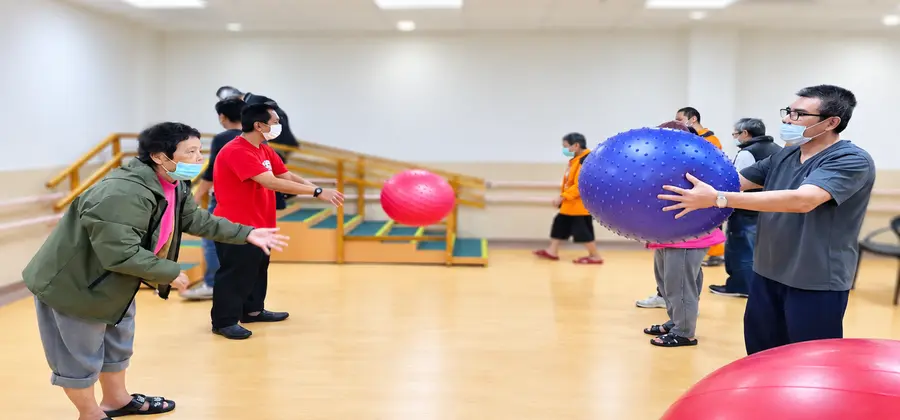
Offer diverse rehabilitation models to enhance the ability for independent living and self-management.
Promote peer support services to foster interactions resembling family relationships.
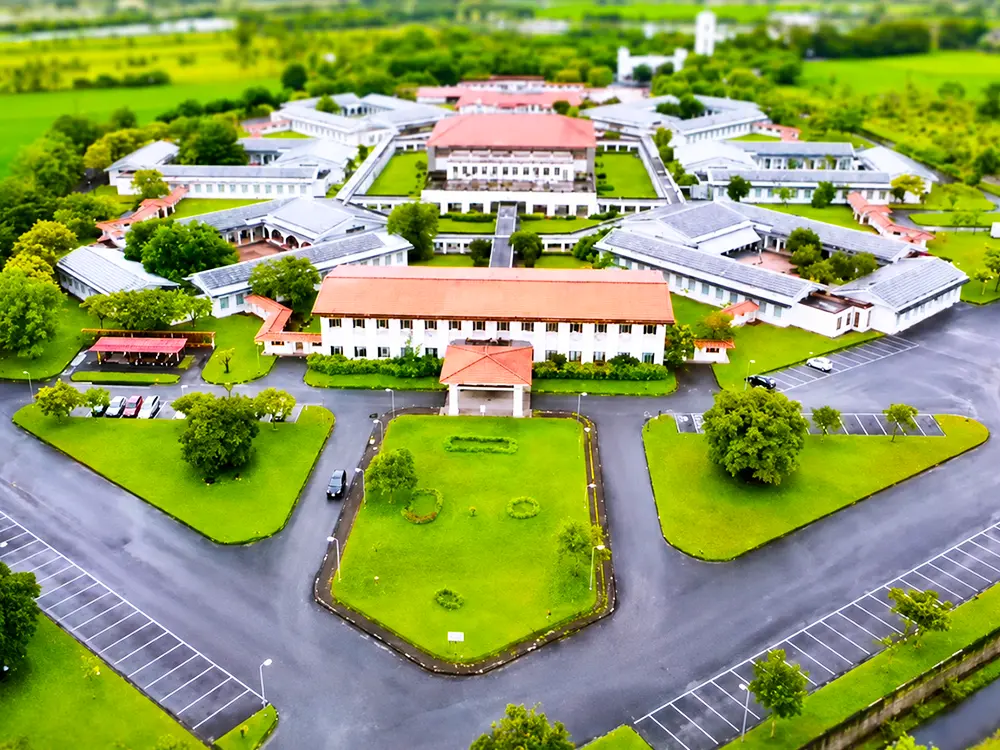
This community is based on UK therapeutic community standards and integrates all service programs into a unified system. Guided by the P.O.W.E.R. framework and four core pillars—Dignity, Vocational Rehabilitation, Active Living, and Empowerment—it develops a H.O.M.E. model where capable members contribute and older members receive lifelong support. H – Human Dignity: Promotes self-care, structured living, social participation, and community engagement to support independence, learning, and quality of life. O – Occupational/Vocational Rehabilitation: Enhances physical and mental functioning through training, supported employment, job coaching, cognitive rehabilitation, and life-skills development to prevent decline and promote social reintegration. M – Meaningful Active Living: Encourages positive health behaviors and participation in social, cultural, and recreational activities to strengthen well-being, resilience, and community connection. E – Empowerment: Strengthens self-determination through resident participation, shared decision-making, emotional support, family communication, and spiritual or reflective activities. Together, these elements create an integrated care system that combines rehabilitation, employment, housing, and social support. The H.O.M.E. model fosters a community where people contribute according to their abilities, receive appropriate care when needed, and live with dignity, purpose, and belonging throughout their lives.
Annual Health Check: Staff health check rate reached 100%. Residents completed 100% of annual blood tests, X-rays, and ECGs. Cancer screening included breast, cervical, colorectal, and oral screenings, with several abnormal cases under follow-up; one breast cancer case received successful surgical treatment and continued care. 2. Infection Control: Hand hygiene compliance exceeded 95%. Annual infection control training was fully completed. PPE compliance reached 100%. Vaccination rates were high for COVID-19, influenza, and pneumococcal vaccines. 3. Incident Prevention: Incident rate was 0.11%. CPR and fire evacuation drills were conducted regularly. RCA reviews and preliminary analyses were completed, and all staff passed BLS competency checks. 4. Satisfaction: Resident satisfaction averaged 4.05, indicating overall satisfaction.
Service Benefits:
Number of caregivers completing training: 21 people
Number of residents in group homes: 13 people
Community meals held and participation: 20 times / 96 people
Number of people employed in the community: 28 people
Palliative care willingness: 1 person
Occupational Rehabilitation:
Cognitive rehabilitation group: 44 people
Mindfulness group: 313 people
Weight loss group: 89 people
Job training: 918 people
Therapeutic activities: 3,770 people
Oral hygiene and dressing training: 1,306 people
Bathing training: 828 people
Foot care: 1,344 people
Various Group Activities:
High-care group: 36 people
Mosquito cinema: 122 people
Mindfulness group: 336 people
Family discussion meetings: 119 people
Return home shuttle service: 101 people
Regional reunion meetings: 217 people
Night market outing: suspended due to the pandemic
Day trips: 43 people
Leisure activities: 3,223 people
Holiday events / Sports day: 1,579 people
COVID-19 confirmed cases: 49 (0.03%). Influenza confirmed cases: 55 (0.03%). Incident rate: 0.11%.
Resident satisfaction: 4.05 (satisfied). Employer satisfaction: 4.63 (satisfied). Trainee job training satisfaction: 4.05 (satisfied).
The comparison of the harmonious therapeutic community with similar domestic peer institutions and international therapeutic communities (e.g., supporting data).
Environmental Equipment:
An environmental cleanliness checklist is in place, with regular environmental disinfection and strict implementation of infection control policies. Equipment maintenance cards and inspection forms are used to ensure the regular servicing of instruments and equipment. The emergency vehicle, fire extinguishers, suction devices, and wound change carts are all inspected on a fixed monthly schedule.
Medical Quality:
Long-term care TCPI (Therapeutic Community Performance Indicators) monitoring (e.g., supporting data)
Abnormal event reporting system
Infection control reporting system
Ward quality audit items: Long-term care medication administration, hand hygiene techniques, hand hygiene equipment, patient identification, fall prevention, environmental hygiene inspections, meal service process audits
Enhancing resident care satisfaction: Regular resident satisfaction surveys are conducted, and adjustments are made based on residents' satisfaction levels with various aspects of care. Improvement measures are discussed in meetings.
Process improvements: Revisions of various manuals, including 2 procedural documents, 5 guidelines, and 31 standards.
Staff education and training: Nursing staff receive more than 40 hours of internal and external education/training per year, while caregivers receive over 20 hours of education/training per year.