People with substance use disorders, opioid users, and court-referred cases receiving inpatient, outpatient, or methadone treatment, with family support and community anti-drug services.
Yuli Hospital is a major center for substance abuse prevention and addiction treatment in Eastern Taiwan. Guided by holistic care and integrated treatment, it builds a comprehensive addiction care network through multidisciplinary collaboration and community engagement, supporting recovery and social reintegration.
Three Core Services:
Integrated Addiction Treatment
Provides specialized addiction outpatient clinics, inpatient detoxification and rehabilitation, methadone maintenance treatment (harm reduction), psychotherapy, and family intervention to ensure continuous and comprehensive care.
Multidisciplinary Team Care
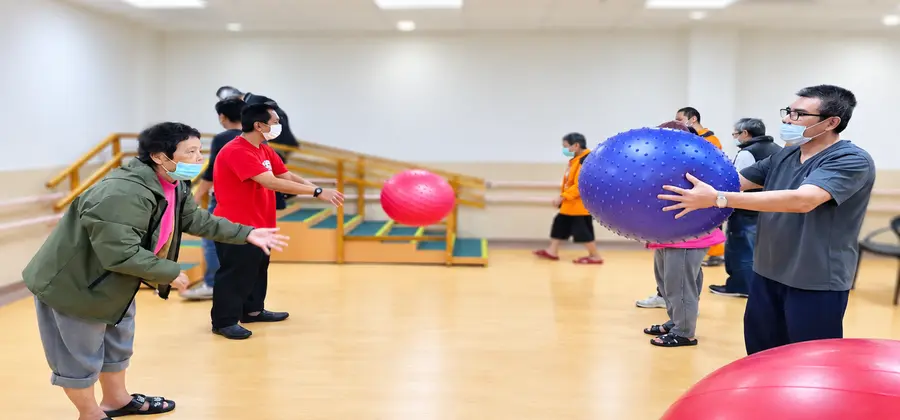
A collaborative team of physicians, nurses, case managers, pharmacists, clinical psychologists, social workers, and occupational therapists addresses patients’ medical, psychological, and social needs.
Community Prevention and Recovery Support
Delivers anti-drug education in Eastern Taiwan communities and Indigenous villages, and provides group psychotherapy for judicially supervised cases to strengthen treatment motivation, community support, and long-term recovery.
Eastern Taiwan–Specific Addiction Treatment Model
Developed a unique addiction treatment model tailored to the vast and geographically challenging Eastern Taiwan region, improving treatment accessibility and continuity for rural populations.
Bio-Psycho-Social Integrated Care
Patient-centered care integrating medical, psychological, occupational, and social work services through a multidisciplinary team to provide individualized and continuous treatment.
Three-Stage Addiction Treatment Pathway
A structured treatment process that adjusts intervention intensity and content according to treatment progress and urine drug test results.
Contingency Management Approach
Incorporates positive reinforcement and behavioral strategies to enhance treatment engagement, motivation, and retention.
Community Outreach and Cross-System Collaboration
Collaborates with drug prevention centers and judicial/social welfare systems to strengthen referral networks, community support, and long-term recovery services.
Addiction Outpatient Clinics
Addiction outpatient clinics were held 4–5 times per month, with a total of 48 clinic sessions in 2025.
Case Management Services
Case management services averaged 45 patient encounters per month.
Treatment Coverage for Non-Opioid Substance Use Cases
The coverage rate of individual/group psychotherapy, family therapy, and occupational therapy for non-opioid substance use patients reached 81%.
Urine Drug Test Negative Rate
In 2025, the urine drug test negative rate reached 97%.
Quality of Life Improvement Rate
In 2025, 75% of patients demonstrated improvement in quality of life.
Quality Improvement: Established a performance dashboard and PDCA (Plan–Do–Check–Act) quality improvement cycle, with service data and performance indicators regularly reviewed in departmental meetings to promote continuous improvement.
Satisfaction Rate
In 2025, the patient satisfaction rate following participation in comprehensive addiction treatment services reached 83%.
Follow-up Adherence
In 2025, patients attended 125 follow-up visits with 5 unexcused no-shows, resulting in a 96% follow-up attendance rate.