1. Service Recipients:
Children aged 0–6 years with developmental delays , particularly those with limited resources.
2. Service Area:
Ten medically underserved townships in Hualien County, Taiwan
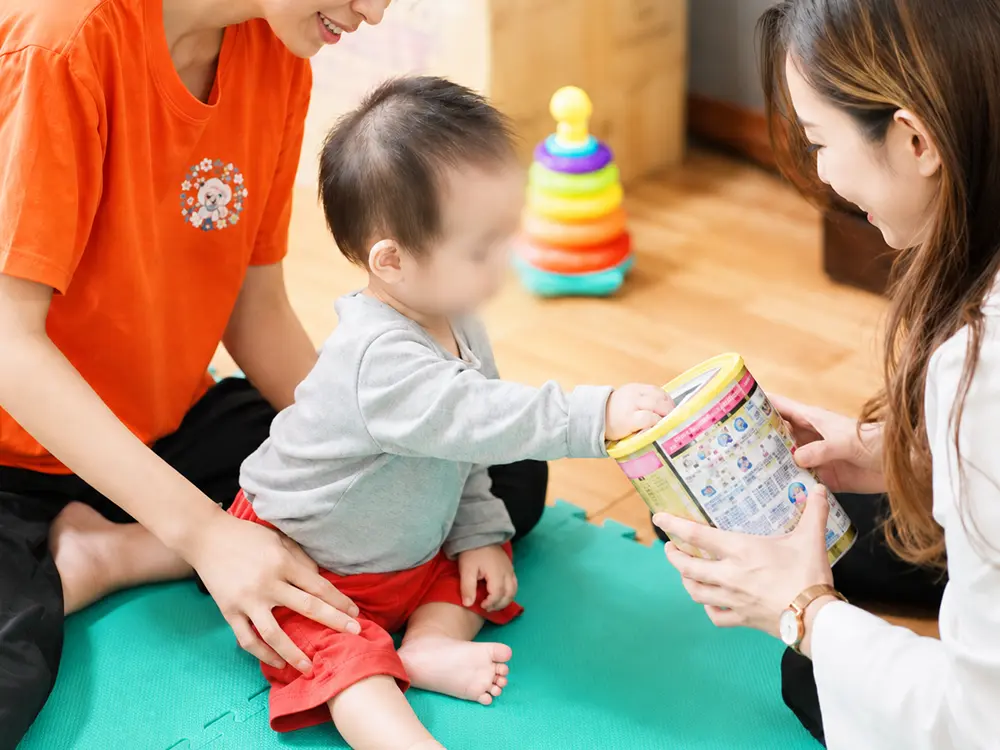
The Mennonite Christian Hospital launched the “Home-based Early Intervention Program” in 2014 to provide timely services for children with developmental delays in remote areas, emphasizing home-based, family-oriented early intervention. Many barriers prevent children from receiving early intervention in rural areas, including transportation difficulties, limited parenting skills, and low awareness of the importance of early treatment.
To overcome these challenges in Hualien County, a mobile early intervention team was established with the mission: “No child left behind, near or far.” Our team travels hundreds of miles to serve children in need. To date, 1,169 child developmental screenings have been conducted, nearly 2,000 mobile services delivered, and more than 100 community outreach activities completed.
The program aims to ensure that children with developmental delays in rural areas receive timely intervention during the critical developmental period of ages 0–3, strengthen parenting capacity and positive early intervention practices, and enhance community awareness of early intervention throughout rural Hualien. By addressing health inequities in underserved areas, the program brings hope to children and families and helps every child achieve the best possible start in life.
1.Mobile Home-Based Early Intervention Service:
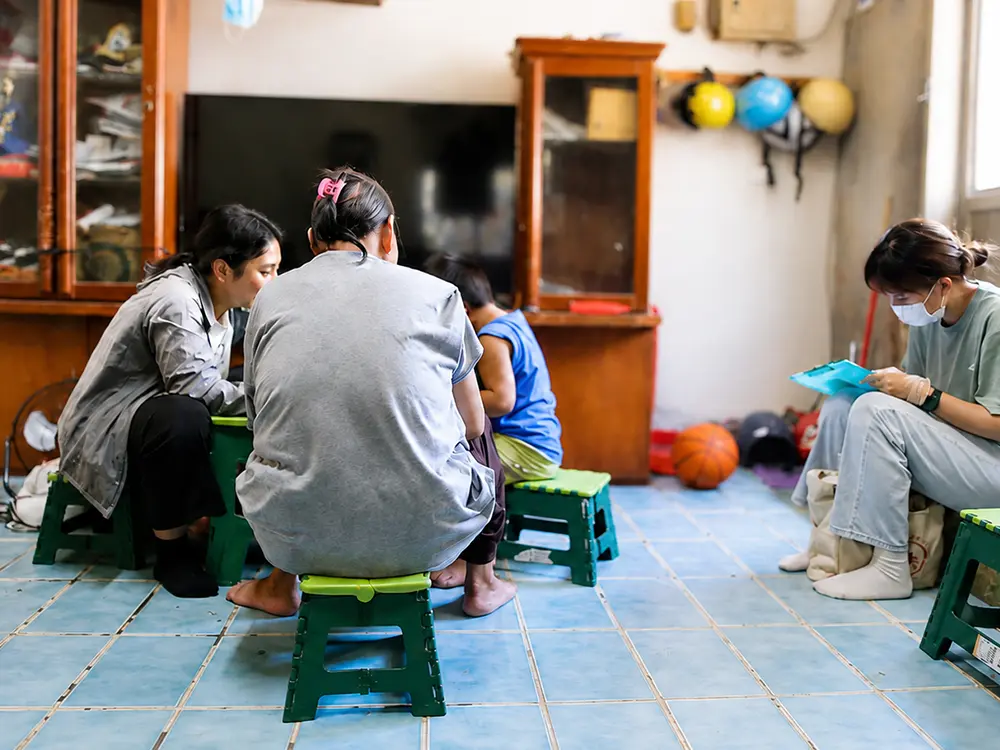
The only mobile service in Hualien established by a medical institution, bringing professional teams to remote areas for in-home therapy, developmental screenings, and community education, offering flexible and comprehensive care.
2.Standardized Interdisciplinary Resource Coordination and Integration Service:
A one-stop service model addresses medical, educational, and family support needs, ensuring holistic care through structured resource linkage and individualized case management.
3.Family-Centered Parent Coaching Model:
individual family service plans integrate therapy into daily routines, emphasizing partnership with parents. Therapists are trained in evidence-based coaching to empower families and address children’s developmental needs in natural settings.
Service Utilization and Client Demographics Since 2014, the Home-Based Early Intervention Program has provided a total of 6,949 service encounters. From 2021 to July 2025, 154 children and families received services, accounting for 4,377 service encounters. Among the children served, 72.03% were boys and 87.71% were under 3 years of age, reflecting the program’s focus on early identification and intervention during the critical developmental period. Service utilization was highest in Xiulin Township, followed by Fenglin and Ruisui Townships, demonstrating broad coverage of rural and underserved communities in Hualien County.
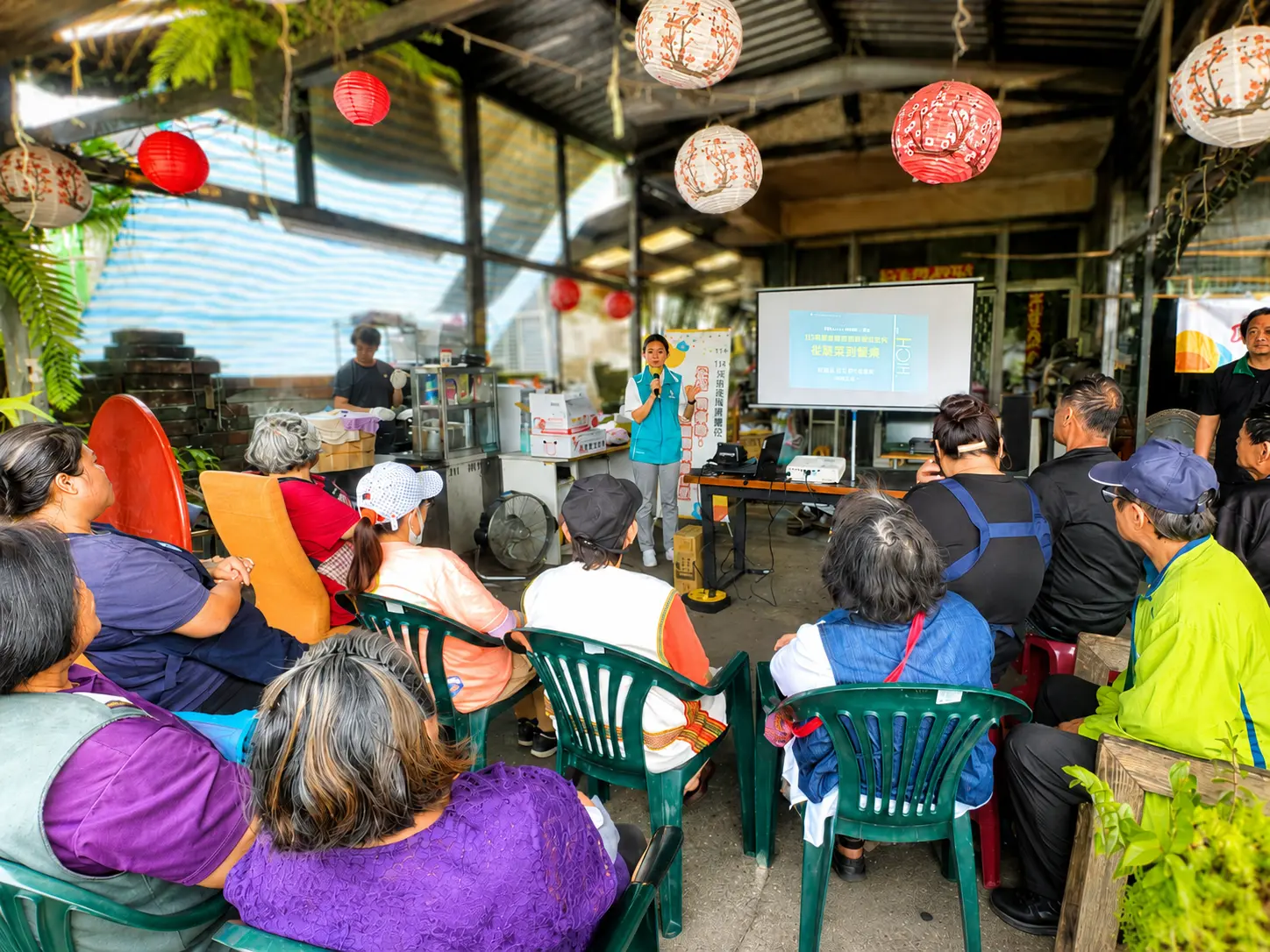
Community Education and Professional Training To promote early intervention awareness and caregiver capacity, the interdisciplinary team provides educational programs for parents, community members, and professionals. Between 2021 and July 2025, 48 educational sessions were conducted, with a total of 613 participants.
Child Development Consultation and Screening Services To facilitate early identification of developmental concerns, the program conducted 89 child development consultation and screening events between 2021 and July 2025, reaching 1,189 participants. These activities enhanced community awareness and supported timely referral of children requiring further assessment or intervention services.
Service Outcomes From 2014 to July 2025, the program provided 6,949 home-based early intervention visits. From 2021 to July 2025, 154 children received services; 72.03% were boys and 87.71% were under age 3. The program conducted 48 parent education and professional training sessions (613 participants) and 89 child development screening events (1,189 participants).
Child Outcomes (2024–July 2025)
(1) Completed 28 IFSPs with 169 goals; average goal attainment rate was 66.86%.
(2) All 28 children showed positive GAS outcomes, with an average improvement rate
of 72.52%; 42.9% showed substantial improvement and 46.4% remarkable
improvement.
(3) 17 children assessed by CDIIT showed significant improvements in cognition,
language, motor, social, and self-care domains (p < 0.05).
(4) 22 children assessed by MCDI-T showed significant improvements in vocabulary,
language use, language complexity, and word combination skills (p < 0.05).
Family Outcomes (2024–July 2025)
(1) Among 21 families, FaQoL scores improved by 4.6%, with gains in family life
(+5.7%) and child functioning (+3.1%).
(2) 23 caregivers maintained normal parenting stress levels on PSI-SF.
(3) 49 parents completed the Family–Professional Partnership Satisfaction Scale
survey, with an overall satisfaction rate of 99.54%.
Our team adheres to the hospital's infection prevention and control policies and procedures, including:
Completion of at least 3 credit hours of infection control training annually.
Conducting pre-visit risk assessments and following service suspension guidelines when necessary.
Strict implementation of infection control measures during service delivery, including: Hand hygiene before and after each visit (handwashing or alcohol-based hand sanitization). Wearing disposable gloves and face masks throughout the service session. Cleaning and disinfecting toys, equipment, and materials after each activity.
Although these measures have not yet been presented through quantitative outcome data, they are supported by established SOP and documented service photographs as evidence of compliance.
Family Satisfaction To evaluate service quality and strengthen family-centered care, our team regularly collects feedback using the Family–Professional Partnership Scale and thehome-based early intervention Community Service Satisfaction Survey. Between 2024 and July 2025, 49 questionnaires were completed. Results showed an overall satisfaction rate of 99.54%, with 69.27% of respondents reporting “very satisfied” and 30.27% reporting “satisfied.” Families rated highest the team's trustworthiness, friendliness, respect for privacy, clear communication, commitment to child safety, and respectful interactions with children. These findings demonstrate strong family–professional partnerships and reflect the effectiveness of our family-centered service model in promoting family engagement and service quality.
To evaluate community service quality, the home-based early intervention team conducts an annual satisfaction survey among community partners. Between 2024 and July 2025, a total of 69 questionnaires were collected, including responses from 23 social welfare professionals, 23 public health nurses, 20 physicians and medical interns, and 3 preschool educators. Results showed an overall satisfaction rate of 99.68%, with 90.18% reporting being “very satisfied” and 9.50% reporting being “satisfied.” These findings demonstrate the team's high-quality community services and strong recognition from community partners.
Our team presented a paper at 「The 24th International Conference and Workshops of Child Development and Early Intervention」. The title of the presentation was: “The Effectiveness of Family-Centered Home-based Early Intervention for Child with Coffin-Lowry Syndrome: Case Report.”
Improve early identification and multidisciplinary assessment rates for high-risk children aged 0–3 years with developmental delays, facilitating timely diagnosis and intervention.
Enhance developmental outcomes and participation in daily activities among children aged 0–6 years.
Improve family quality of life, parenting competence, and family engagement while strengthening caregiver empowerment and family support.
Establish an integrated care model linking healthcare, education, social welfare, and community resources to provide continuous family-centered trans-disciplinary services.
Reduce transportation, time, and access barriers for rural families, improving accessibility and efficiency of early intervention services.
Increase community awareness of child development and early intervention, strengthening networks for early identification, diagnosis, and intervention in underserved areas.
Develop a scalable and replicable home-based early intervention model that promotes health equity, reduces urban–rural disparities, and supports healthcare sustainability.