From BPA-PET case selection to individualised dose planning, blood boron measurement and neutron monitoring - inside Taipei Veterans General Hospital's clinical experience with BNCT for recurrent brain tumors.
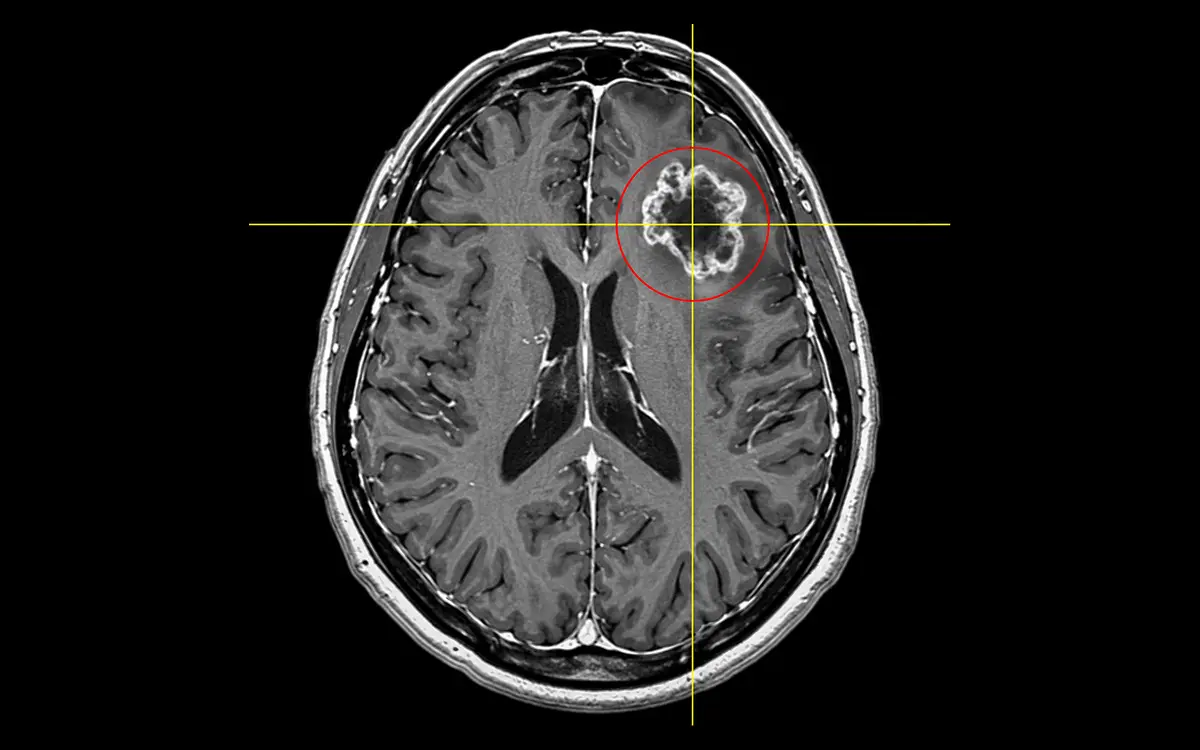
Re-irradiating a recurrent malignant brain tumor is constrained by the radiation dose the surrounding normal brain can tolerate. Boron neutron capture therapy (BNCT) exploits the tumor selectivity of boron-containing drugs to offer another option when conventional treatment options are limited; delivering it clinically involves assessing drug uptake, selecting patients and planning dose individually.
In a published series of 34 malignant brain tumor cases, the team recorded an objective response rate (ORR) of 50% and a disease control rate (DCR) of 85.3%. These were patients whose treatment options had been exhausted, making patient selection, dose planning and treatment monitoring central to this clinical experience.
The Department of Heavy Particles and Radiation Oncology at Taipei Veterans General Hospital has been developing BNCT for brain tumors since 2017. Department director Yu-Ming Liu, attending physician Yi-Wei Chen and a cross-disciplinary team work with the neutron irradiation facility at National Tsing Hua University, and have accumulated 322 brain tumor treatment sessions.
The team uses BPA-PET to assess the tumor-to-normal tissue uptake ratio (T/N), setting T/N of 2.5 or above as a selection criterion, and weighs it together with KPS, organ function, laboratory results and infection control.
The main reasons for declining a case are a T/N below 2.5, a KPS below 60, irradiation geometry or dose that is not feasible, and organ function or laboratory values outside the required range. Whether standard treatment is still available, whether the lesion suits BNCT, and whether infection is controlled are also part of the assessment.
Each case is discussed jointly by heavy particle and radiation oncology, neurosurgery, nuclear medicine, radiology, nursing and pharmacy, with a dedicated multidisciplinary meeting for each case to reach a treatment decision. Meeting the uptake threshold is not the end of it; the patient's condition and the practicality of delivering treatment still have to be confirmed.
Treatment plans are simulated with TH-BNCTplan. On the pharmaceutical side, L-BPA injection is prepared to GMP specifications, and ICP-AES equipment measures boron concentration, recording blood boron levels through the course of treatment.
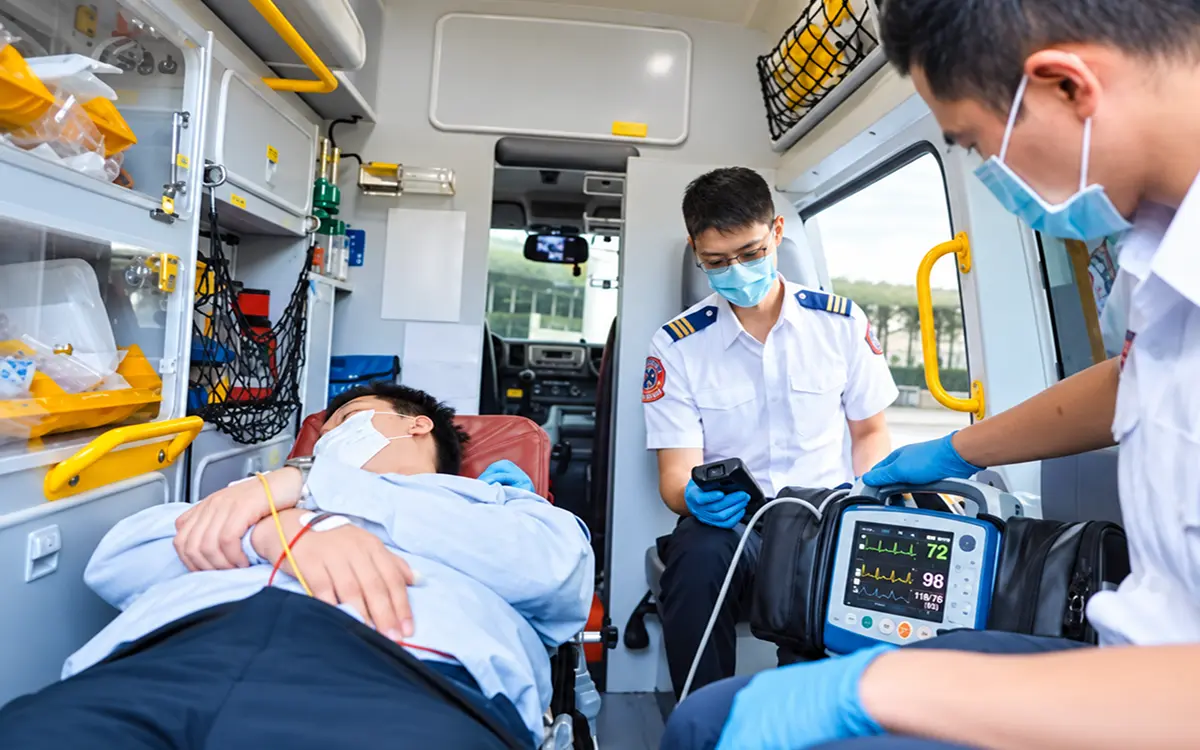
Irradiation is paired with real-time neutron monitoring, bringing the treatment plan, concentration measurement, delivery and record review into quality control. Taipei Veterans General Hospital handles pre-treatment assessment and follow-up care; the Nuclear Science and Technology Development Center at National Tsing Hua University provides the neutron irradiation facility.
The workflow brings together the expertise needed for the boron drug, the dose calculation and the neutron irradiation, and keeps records at each stage for treatment review and later analysis.
The study the team published in Biology in 2021 analysed 34 patients with malignant brain tumors treated with BNCT on an emergency or compassionate use basis.
Complete response 17.6%, partial response 32.4%, stable disease 35.3% - an ORR of 50% and a DCR of 85.3%.
Supporting Literature (https://www.mdpi.com/2079-7737/10/4/334?utm_source=chatgpt.com)
The study offers clinical data on BNCT in patients who had exhausted their options, and the results should be read with that context in mind. The 34 patients in the study and the 322 brain tumor treatment sessions the team has accumulated are different counts; treatment records and subsequent responses continue to be entered into the BNCT record system for quality management and research.