From Raw Materials to Finished Products, Traceable Quality Management Should Be Established
Each batch of incoming raw materials is tested according to internal quality specifications for key marker compounds, heavy metals, plasticizers, microbiological parameters, and other applicable criteria. Supplier Certificates of Analysis (COAs) and raw material source records are fully retained to establish batch traceability.
Throughout red yeast rice fermentation and raw material management, parameters including total aerobic microbial count, yeast and mold, pathogenic microorganisms, and Monacolin K are monitored. Relevant fungal metabolites are also included in periodic testing to strengthen the safety management of red yeast rice ingredients.
An automated warehousing system maintains controlled storage conditions at ≤25°C and 60% relative humidity. First-in, first-out (FIFO) inventory management, storage-condition labeling, and environmental controls are implemented to maintain the stability of raw material quality.
A direct processing method is used to reduce granulation steps and minimize the effects of additional heat and pressure on the stability of key constituents such as Monacolin K and nattokinase.
For every production batch, quality control parameters—including weight, particle size, moisture content, metal detection, and appearance—are recorded, providing complete batch records and a basis for traceability throughout the manufacturing process.
Temperature, humidity, and sanitation conditions within the manufacturing environment are continuously controlled to minimize the impact of environmental factors on product quality and microbiological control.
Each batch of finished product is tested against established specifications for microbiological parameters, plasticizers, heavy metals, aflatoxins, citrinin, and other quality and safety criteria before release. Selected fungal metabolites are also included in periodic monitoring.
The Monacolin K content of every batch is tested. Testing by an independent third-party laboratory reported a value of 4.87 mg per capsule, while the product specification for a two-capsule serving is 7.2–10.0 mg.
Finished products are stored in an automated temperature- and humidity-controlled environment. A retention-sample program is established for every batch, with samples retained for one year beyond the product’s expiration date for subsequent quality monitoring.
Claims Regarding Health Benefits Should Be Supported by Scientific Evidence
HAC|Natolin Q10 Capsules were evaluated in an 8-week human study using the finished product formulation to assess changes in lipid-related parameters.
The study results showed favorable trends in lipid-related parameters, including total cholesterol (TC) and low-density lipoprotein cholesterol (LDL-C), providing human study data for evaluating the health benefits of the finished product.
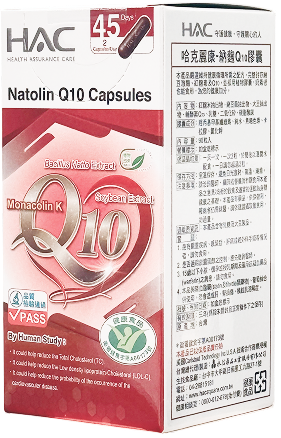
Multi-Ingredient Formulations Should Use Appropriate Dosages and Be Supported by Traceable Research Evidence
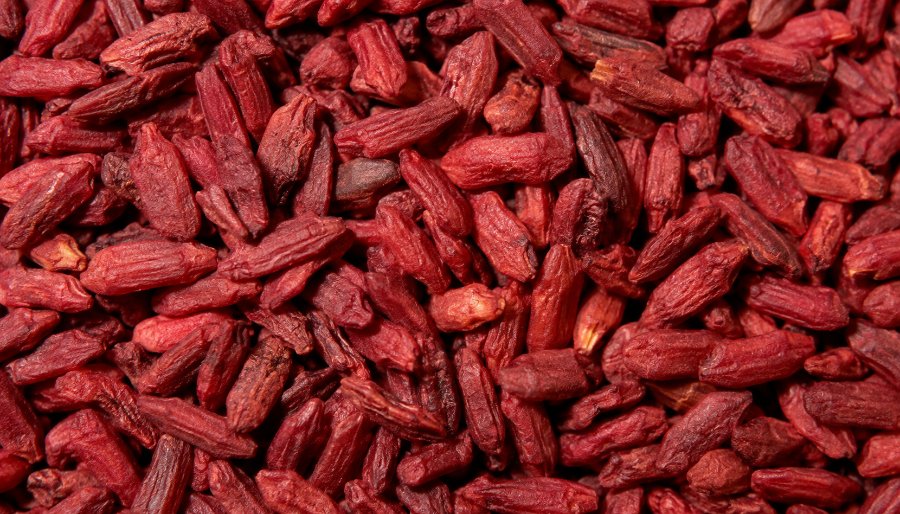
Monacolin K is a key marker compound associated with the product’s lipid-related function. Its specified content is controlled through batch-by-batch testing.
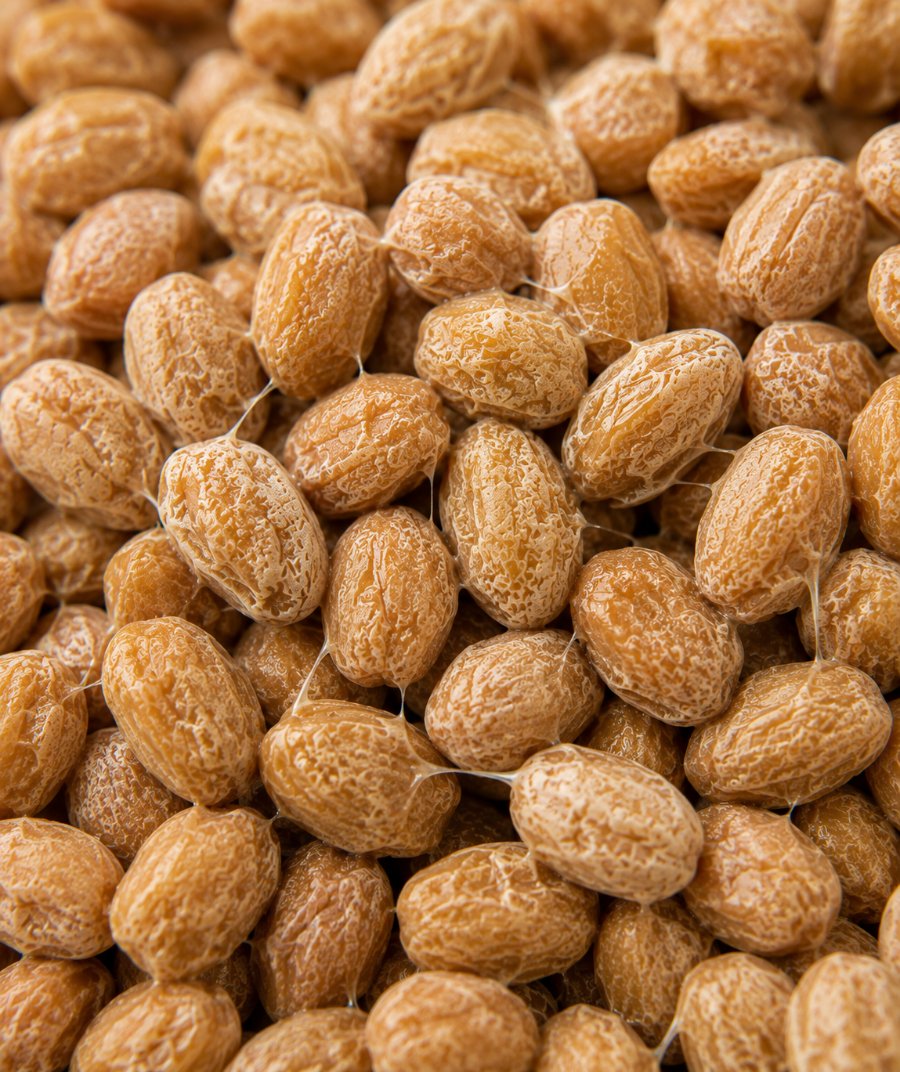
The nattokinase ingredient is supported by relevant patented technology and research data, providing a scientific basis for the multi-ingredient formulation.
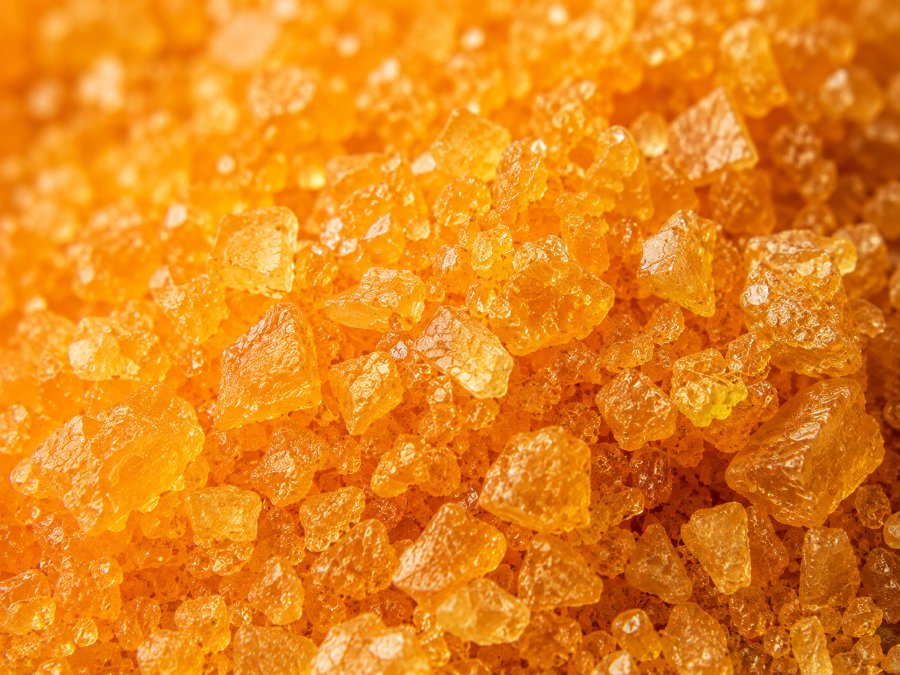
The product provides 30 mg of CoQ10 per serving, with the dosage design informed by relevant randomized controlled trials.
Manufacturing Process Management Should Align with International Regulations and Market-Specific Requirements
Truly Verifiable Quality Is More Than Passing a Single Test
From a professional quality assessment perspective, whether a dietary supplement is trustworthy should not be judged solely by its ingredients, a single test result, or the results of an individual study. More importantly, raw material specifications, process controls, batch-to-batch consistency, finished product verification, human evidence, and the scientific rationale of the formulation should all be integrated into a comprehensive and consistently implemented quality management system.
The quality management of HAC|Natolin Q10 Capsules is not concentrated at any single stage; it extends across raw materials, manufacturing processes, finished products, and human studies. From controlled manufacturing processes and batch-to-batch consistency to human study data supporting the finished product, its quality can be continuously reviewed and verified—from manufacturing through human evidence.