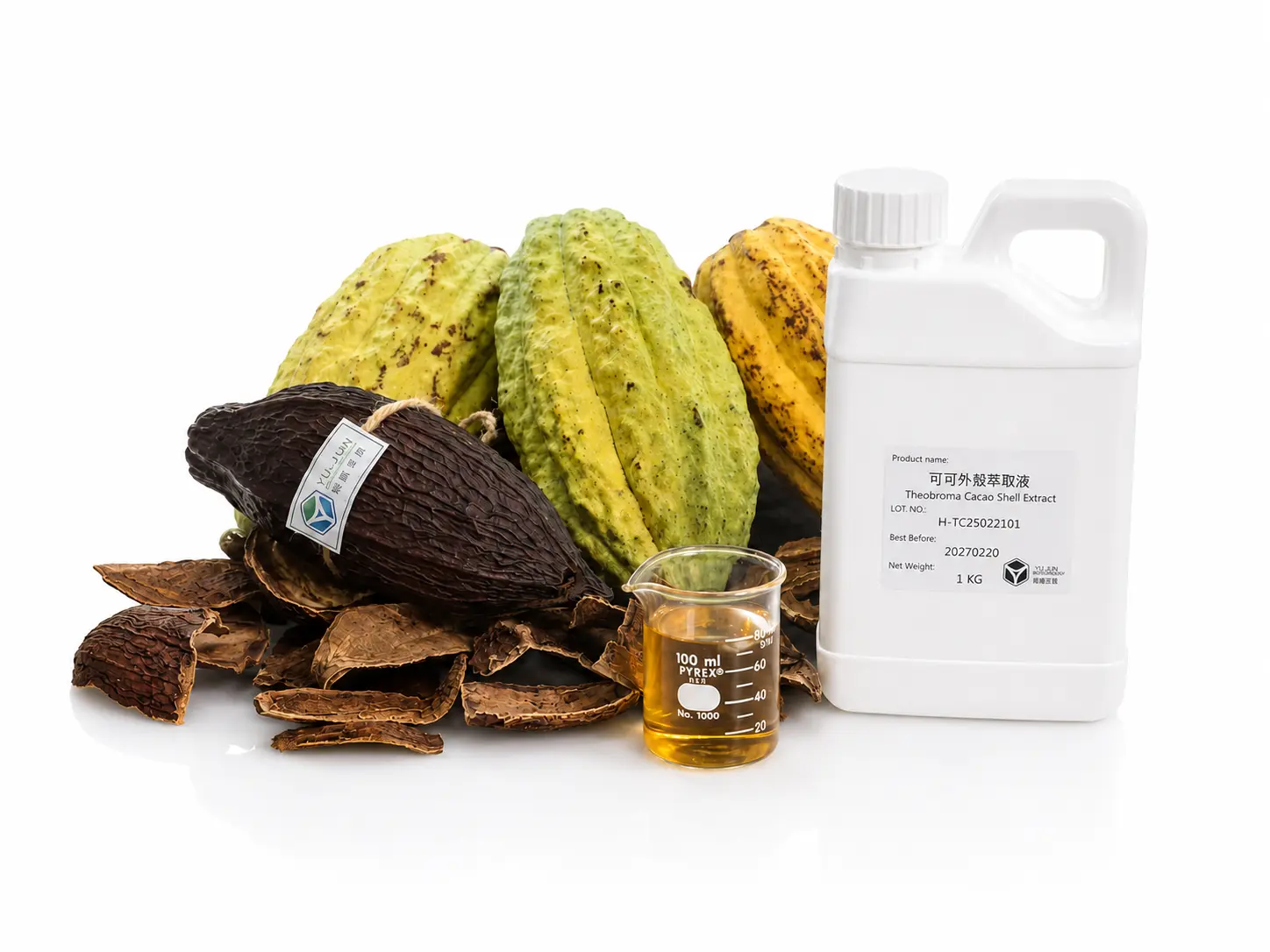
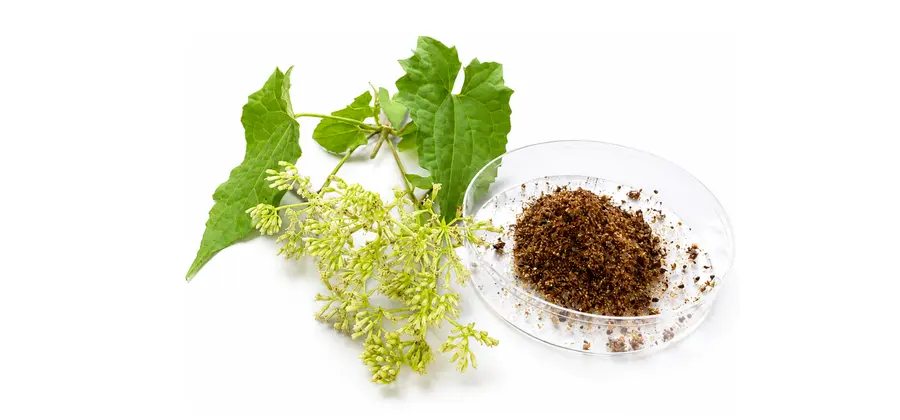
Cocoa Shell Extract is developed from cocoa shells generated during cocoa processing through a patented extraction technology. By transforming an agricultural byproduct into a high-value cosmetic ingredient, the product reflects the principles of sustainability, resource efficiency, and circular economy. The raw material is sourced from traceable origins and processed under controlled conditions to ensure consistent quality and performance. A gentle extraction and purification process is employed to preserve naturally occurring bioactive compounds found in cocoa shells. Comprehensive quality control measures are implemented throughout production to maintain batch-to-batch consistency and product reliability. In vitro studies have demonstrated the potential of Cocoa Shell Extract to support hair follicle cell activity and promote melanin-related responses. These findings suggest its suitability as a functional ingredient for scalp care and hair care formulations. The ingredient can be incorporated into scalp serums, hair tonics, shampoos, and other hair wellness products designed to support a healthy scalp environment and maintain the natural appearance of hair. Combining scientific validation, innovative biotechnology, and sustainable upcycling of agricultural resources, Cocoa Shell Extract offers a distinctive solution for next-generation hair care applications while contributing to environmental sustainability and value-added utilization of natural resources.
ISO22716 GMP.
Gold medal in 2022 International Innovation and Invention Competition.
Gold medal in World Genius Convention 2023.
Aqua\ Propanediol\ Theobroma Cacao (Cocoa) Shell Powder\ Hydroxyacetophenone\ Caprylhydroxamic Acid\ Ethylhexylglycerin\ Disodium EDTA
caffeine
YU-JEN BIOTECHNOLOGY CO., LTD.
A quality management system is implemented throughout raw material inspection, production, intermediate control, and final product release to ensure consistency and stability. Incoming raw materials are verified according to established specifications, including appearance, odor, and basic physicochemical properties. Batch records and traceability systems are maintained for all materials. Manufacturing is performed under standardized operating procedures (SOPs). Key process parameters, including extraction conditions, processing time, and storage conditions, are monitored and documented. Intermediate products are inspected to confirm compliance with process requirements. Before release, finished products are evaluated for appearance, pH, solid content, and microbiological quality. Only qualified batches are approved for shipment. Quality indicators such as raw material acceptance, process compliance, release approval, and customer feedback are reviewed regularly to support continuous quality improvement and product consistency.
To ensure product safety and quality, testing is conducted by SGS, an independent third-party laboratory. Microbiological testing includes total microbial count, Staphylococcus aureus, Escherichia coli, and Pseudomonas aeruginosa. All specified microorganisms were not detected and met applicable requirements. Heavy metal testing includes lead (Pb), arsenic (As), cadmium (Cd), and mercury (Hg). Test results showed non-detectable levels or values below analytical detection limits. These third-party evaluations provide objective verification of product safety and support quality assurance requirements for cosmetic ingredient applications.
A risk management system is established for raw materials, manufacturing, finished products, and post-market monitoring. Incoming materials are controlled through supplier evaluation and inspection procedures to ensure quality consistency. During production, critical process parameters are monitored and recorded according to SOP requirements to minimize operational risks. Finished products are released only after quality approval. Batch traceability and retention sample programs are maintained to support product tracking and investigation if needed. Internal quality audits and employee training are conducted regularly to strengthen quality awareness and compliance. After product launch, customer feedback and market information are continuously reviewed. Any quality concerns are investigated through documented procedures, and corrective and preventive actions (CAPA) are implemented when necessary. This system supports continuous improvement and effective risk control throughout the product lifecycle.
Taiwan Patent:Invention I640326