For elderly, comorbid, surgical high-risk patients, or those with renal insufficiency/solitary kidney.
For T1 RCC, AML, oncocytoma, TSC tumors, and small localized renal masses.
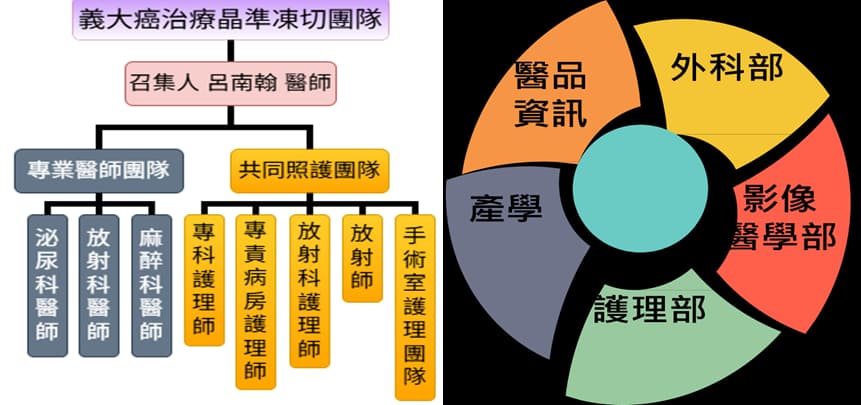
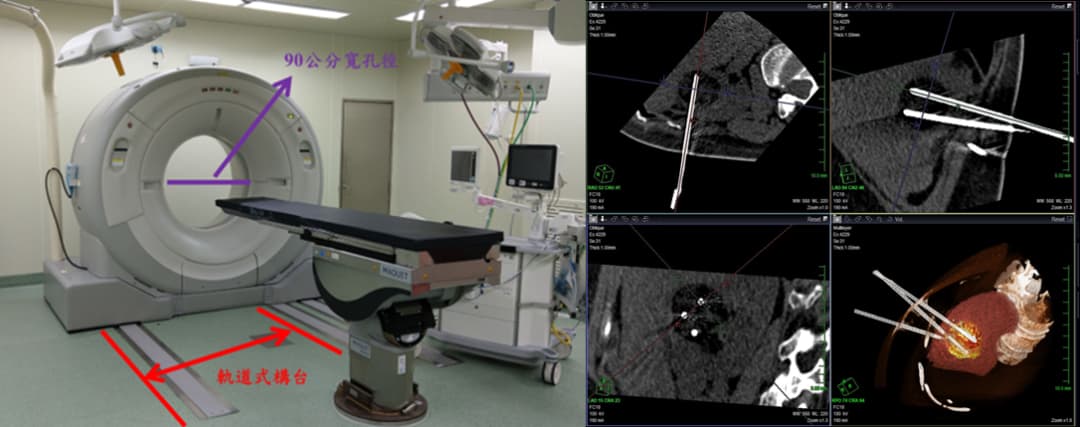
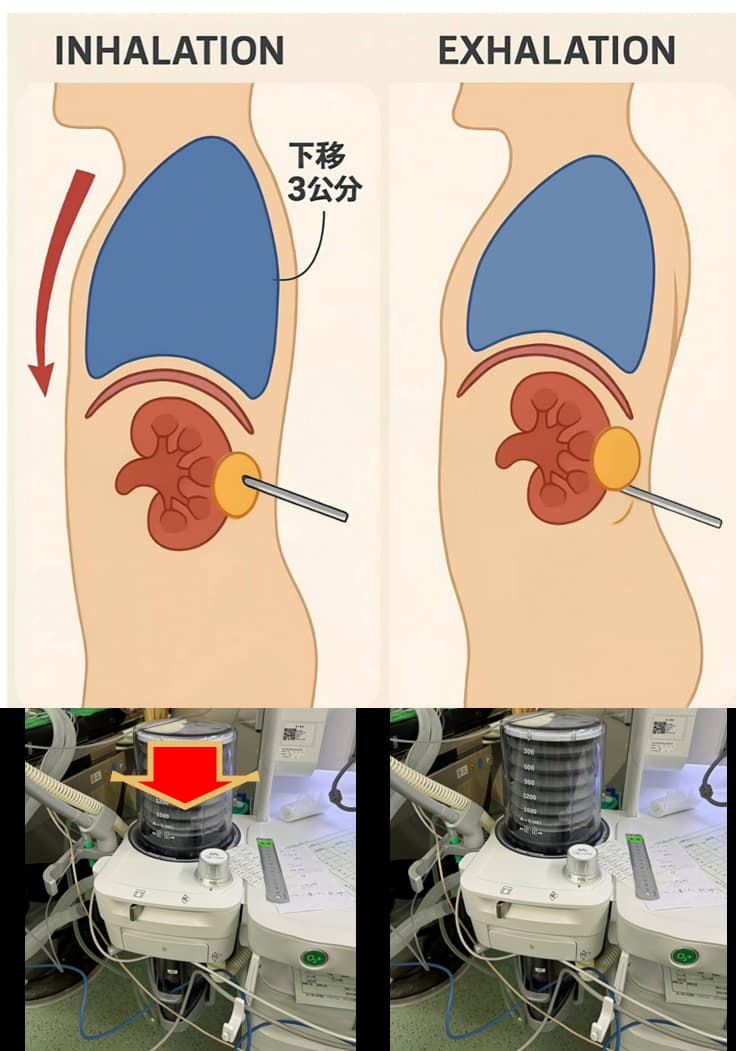
Our team features "Cryoablation Therapy of Renal Tumor" as a core specialized medical service. The primary service targets are patients with early-stage renal tumors, including renal cell carcinoma, renal angiomyolipoma, and oncocytoma, with a particular focus on high-risk groups such as the elderly, those with multiple comorbidities, a single kidney, renal insufficiency, or those unfit for traditional surgery. The treatment utilizes image-guided minimally invasive cryoablation technology, combined with intraoperative CT, ultrasound 3D localization and precise anesthesia control to ensure the ice ball completely covers the tumor while maximizing the preservation of normal kidney tissue. Compared to traditional surgery, cryotherapy offers advantages such as lower complication rates, reduced risk of bleeding, shorter hospital stays, and better preservation of renal function, which helps enhance patient safety and quality of life. Through interdisciplinary collaboration among a multi-professional team, our hospital has established standardized protocols and a comprehensive follow-up mechanism to provide a safe, precise, and personalized treatment model for renal tumors.
Intraoperative 3D CT-guided cryoablation for precise control of the treatment area.
Minimally invasive treatment to preserve renal function and reduce complications and hospital stays.
Interdisciplinary integrated team and standardized protocols to enhance patient safety and clinical efficacy.
Near total 60 cases received this procedure.
Patient Distribution, 30-90 years-old ,Elderly patients over the age of 70 account for 28.3% of those receiving cryotherapy.
Technical successful rate: 100%
Postoperative Care: The average hospital stay for cryotherapy patients is 3.02 days.
Probe Accuracy: The accuracy rate of intraoperative probe placement is greater than 95%.
Total Complication Rate: The postoperative total complication rate is only approximately 4%.
Imaging Interpretation Consistency: Preoperative imaging interpretation consistency is greater than 90%.
Major Complication Rate: The incidence of post operation major complications is 0%.
Post operation infection rate: The incidence of post operation infection rate is 0%.
Environmental Control Satisfaction: The average patient satisfaction for environmental control is 4.8 points (out of 5).
Respect and Care Satisfaction: The average satisfaction for respect and care towards patients reaches 4.8 points (out of 5).
Recommendation Willingness Index: More than 90% of patients stated they would recommend this treatment.
Inclusion in AUA Renal Tumor Treatment Guidelines
Cryotherapy listed as a first-line international option
Presentation of results at the ISQua 2023 International Conference
Enhancing Medical Quality: Utilizing CT-guided 3D positioning to precise cryoablation of renal tumor,small wound, lower infection rate, fast recover.
Establishing Treatment Standards: Developing standardized patient screening checklists and intraoperative dual-cycle cryoablation protocols to ensure treatment precision.
Significant Patient Benefits: Achieving an average hospital stay of only 3.02 days without blood flow occlusion, maximizing renal function preservation and improving quality of life.