Specific drug-resistant TB (MDR/RR-TB, 3-drug resistant, injectables), refractory TB cases, and MDR-TB LTBI contacts.
Professional and customized medical care, along with tailored drug regimens, are provided to the patients. Patients are required to attend follow-up clinics at least once a month, with diagnostic investigations and laboratory monitoring scheduled based on their therapeutic progress.
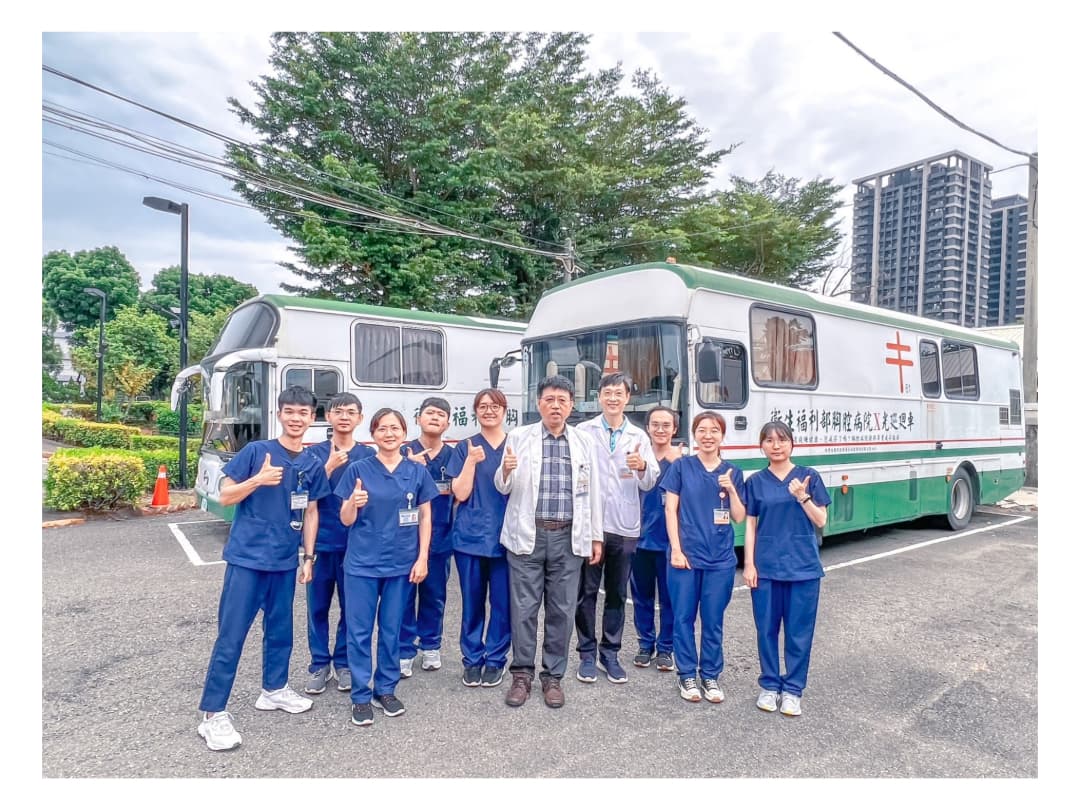
Designated DOT (Directly Observed Therapy) workers are assigned to conduct DOT services—either via in-person visits or through the dedicated video APP established by the CDC—at a frequency of at least 5 days per week and 1 to 2 times daily. This service strictly implements the core protocol: "handing over the medication, observing its ingestion, and leaving only after completion." Concurrently, workers continuously monitor the patients' psychosocial and physical well-being. Any identified clinical abnormalities or adverse changes must be reported immediately to the case managers and attending physicians for prompt evaluation and management.
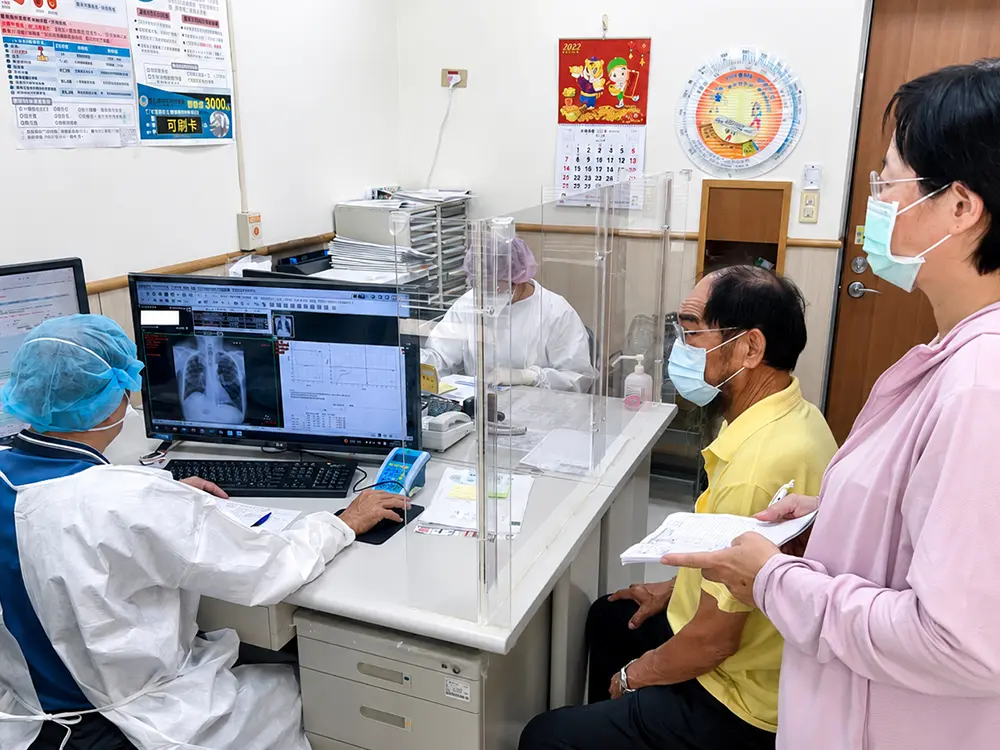
Tailored individual regimens are designed for the care recipients, with treatment efficacy and adverse drug reactions (ADRs) continuously assessed to promptly adjust prescriptions and mitigate side effects. Sputum examinations, chest X-rays, audiometric testing, electrocardiograms (ECGs), and multiple biochemical blood panels are routinely monitored on a monthly basis. When clinically indicated, chest computed tomography (CT) scans are performed to evaluate the feasibility of pulmonary surgical interventions, thereby enhancing treatment efficacy and success rates.
Dedicated DOT (Directly Observed Therapy) is conducted at least 5 days per week to ensure medication adherence. DOT workers observe the patients' status, side effects, and mental health, providing timely solutions and alleviating anxiety throughout the therapeutic course to assist patients in successfully completing their treatment.
Since July 2007 through 2024, we has admitted and managed a total of 854 cases. This cohort comprises 757 cases of drug-resistant tuberculosis, 48 cases of refractory/complicated tuberculosis, and 49 cases of latent tuberculosis infection (LTBI) secondary to multidrug-resistant tuberculosis (MDR-TB).
As of 2024, a total of 811 patients have successfully completed their treatment, while 43 patients remain under active treatment in 2024. The overall treatment success (completion) rate stands at 78.9%, with a mortality rate of 16.9%, a loss-to-follow-up rate of 1.7%, and a treatment failure rate of 1.5%.
N/A
There is no requirement for service recipients to provide satisfaction feedback or related data.
N/A
Establish medical care quality indicators to monitor and manage budget execution, patient enrollment rates, processing timelines for enrollment workflows, adherence to scheduled patient follow-up visits and diagnostic tracking, the care-worker-to-patient ratio, meeting organization, and continuing education and training for team members.
Unscheduled audits of the DOT (Directly Observed Therapy) workers' field performance every month.
Convene clinical case conferences on a monthly basis to discuss patient management.
Host quarterly alliance hospital meetings to facilitate and assist with cross-institutional case management and administrative execution.
Organize quarterly DOT worker seminars to assess their field execution, understand individual case dynamics, and provide collaborative solutions for difficulties encountered during directly observed therapy.