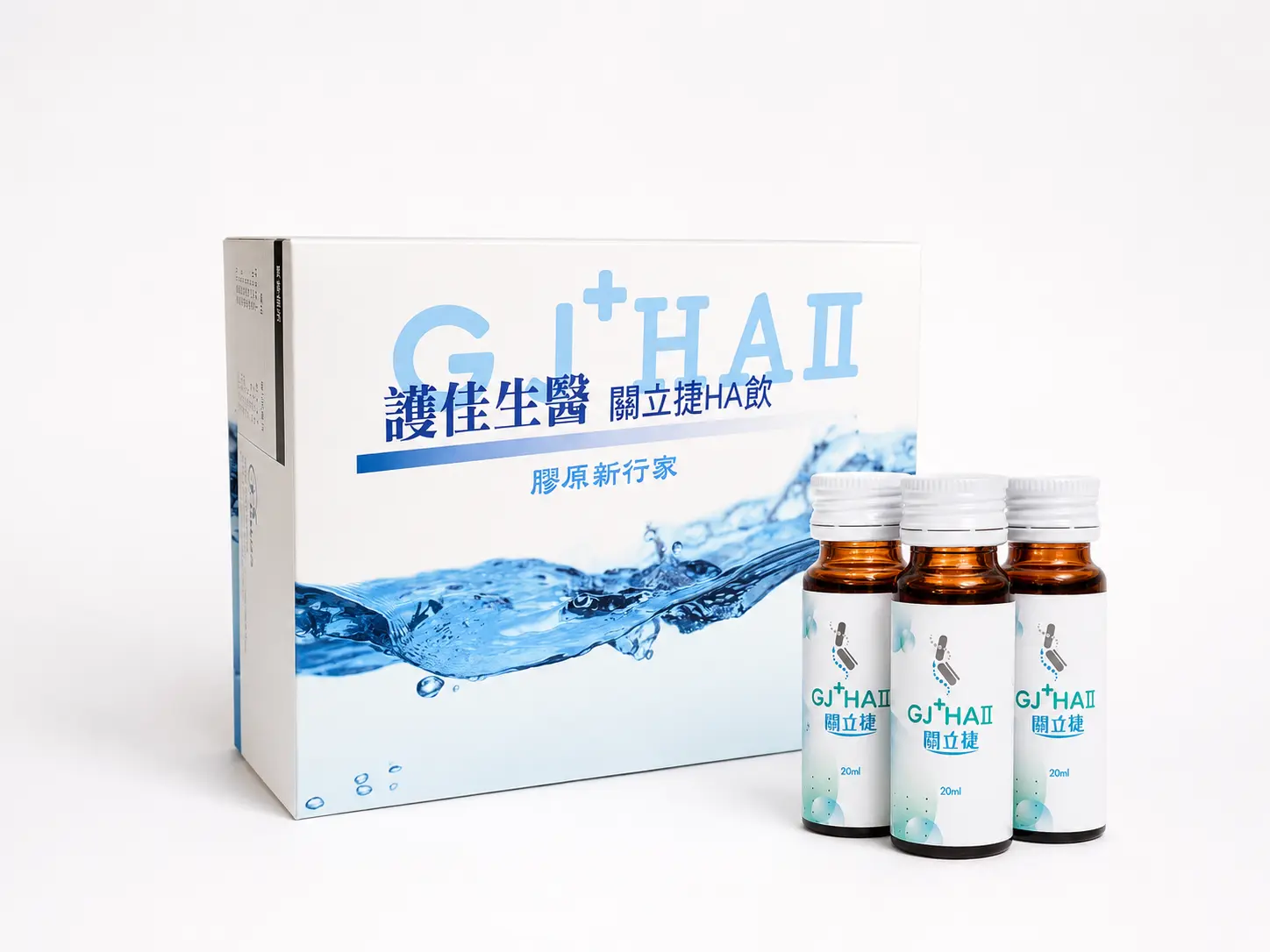
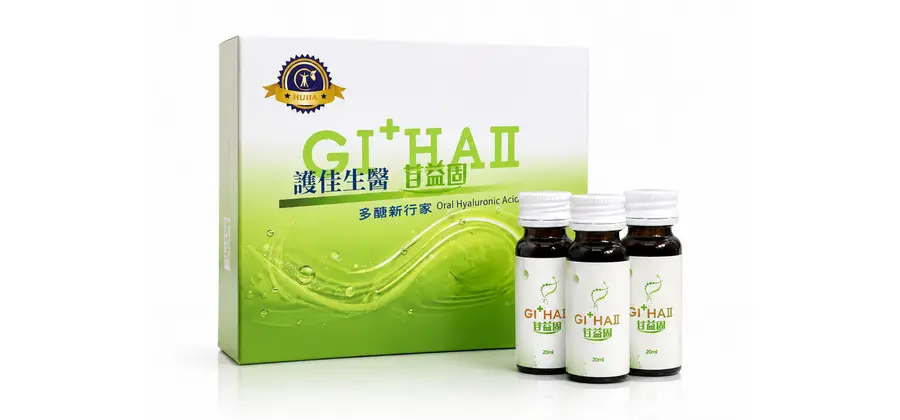
From its inception, GJ+HAII products have been designed with "professional medical nutrition" as their core concept. Addressing the rapid aging population and the resulting strain on healthcare resources, the product features a nutritional formula suitable for long-term supplementation. The product development process rigorously reviews raw material sourcing, quality management, and formula balance. Through scientific nutritional design combined with human trials at medical centers, it provides physicians with rigorous reference data, offering a two-pronged approach of treatment and nutritional support to provide better care solutions for the elderly.
Unique Manufacturing Process and Quality Management: Raw material quality and manufacturing process management includes: using raw materials sourced from approved equipment and undergoing quality inspection; implementing standardized manufacturing processes and quality control procedures; emphasizing ingredient stability and storage conditions; and complying with food safety regulations for testing and management. Key raw materials also utilize low-molecular-weight, patented extraction, or compound formulation technologies to enhance the unique professionalism of the overall product formula design.
Currently, the product is being adopted by more than 5 medical centers and continues to grow in smaller hospitals and clinics, aiming to comprehensively cover the medical channel and serve more elderly people!
Cock comb extract (containing sodium hyaluronate),N-acetylglucosamine,Methylthiomethylmethane,Shark cartilage,Collagen peptides,Vitamin C,Natural blackcurrant concentrate
Cock comb extract (containing sodium hyaluronate)/80mg/bot
HUJIA Biomedical Co., Ltd.
I. Incoming Quality Control (IQC)
Key Control Items:
Raw material source and supplier documentation confirmation; Raw material batch number and traceability data filing; Sensory inspection (appearance, taste, aroma, etc.); Basic physicochemical testing (moisture content, specifications, etc.); Microbiological and food safety testing; Packaging material and labeling confirmation.
II. In-Process Quality Control (IPQC)
Key Control Items:
Confirmation of feed ratio; Uniformity management; Monitoring of production process temperature and time; Inspection of semi-finished product weight and appearance; Water activity and moisture content testing; Process hygiene and environmental monitoring.
III. Finished Product Quality Control (FQC)
Key Control Items:
Appearance and packaging inspection; Content quantity and specifications confirmation; Component testing; Microbiological testing; Labeling and batch number confirmation; Storage stability monitoring.
IV. Data-Driven Management of Quality Stability
Batch Trend Analysis: Long-term trend comparison of key quality data for different batches of products.
Process Capability Analysis Targeting key capability indicators:
Deviation Management: Establish a system for recording and analyzing deviation events.
Customer Feedback and Market Response Analysis: Regularly compile statistics on: Types of customer requests, customer complaints, and trends in repurchase and usage feedback.
400 Western medicine ingredients
Pesticide residues
Germ count
Preservatives
Plasticizers
Heavy metals
I. Self-Inspection Organization
Implementation Method: Regularly sample market products; batch sample testing; stability tracking; packaging defect inspection; self-submission for food safety testing.
Main Inspection Items: Microbial testing; moisture and water activity; appearance and sensory characteristics; content and specification confirmation; packaging sealing.
II. Quality Assurance Inspection System
Inspection Focus: Whether temperature and humidity management meets specifications; whether there are any abnormalities on the bottom of the packaging; whether the batch number and expiration date are clearly marked; whether the storage method of the accessories meets the recommended conditions. Management Measures: Form-based inspection records; timely response to abnormal events; establishment of a corrective and improvement tracking process; regular quality review meetings.
III. Customer Complaint and Abnormal Event Management
Handling Process: Customer complaints and records; batch number and flow review; investigation of abnormal causes; risk level assessment; improvement measures; follow-up tracking and case closure management. Management Focus: Establishing a customer complaint classification system; establishing an abnormality reporting timeliness; maintaining complete investigation records; strengthening review capabilities.