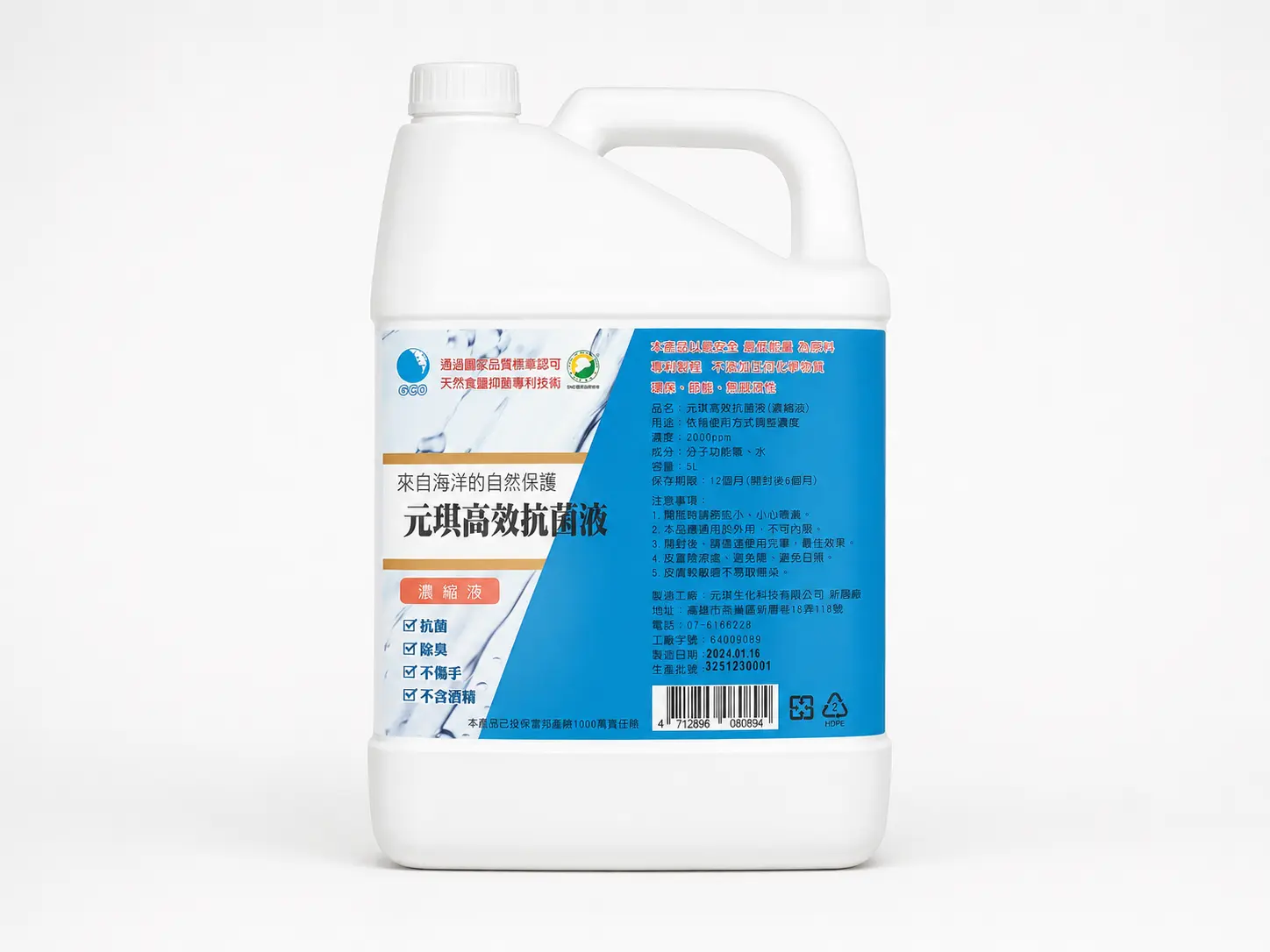
Environmental disinfection, antibacterial properties of items, and deodorization of spaces.
Chlorine dioxide、water
Chlorine dioxide
Raw Material Control: The purity, pH value, and appearance of main raw materials are inspected. Each batch of raw materials must be accompanied by a supplier's Certificate of Analysis (COA).
Water Quality Monitoring: Water used for production and blending must pass through a pure water system. Conductivity and microbial levels are regularly tested to ensure no impurities interfere with the stability of chlorine dioxide.
Packaging Material Inspection: Bottles, caps, and light-proof outer boxes are inspected for dimensions, fit, and light-blocking properties.
Microorganisms, heavy metals
Post-Market Stage: Market Safety Net. Key Risks: Improper consumer use (e.g., accidental ingestion or spraying into eyes), bottle expansion due to high-temperature exposure during logistics, and regulatory penalties arising from false advertising. Preventative Measures [Non-compliance Response and Monitoring]: Secure Digital Footprint (UDI / One Item One Code): Establish a batch number traceability system for the product. A single phone call or barcode can trace the raw material batch, the person responsible for dispensing, and the distribution channel of the product within 30 minutes. Regular Market Sampling Inspection (PMS): Proactively dispatch personnel to conduct blind purchase inspections in market channels to monitor the product's concentration maintenance rate under actual shelf conditions and assess temperature control risks in the logistics supply chain.