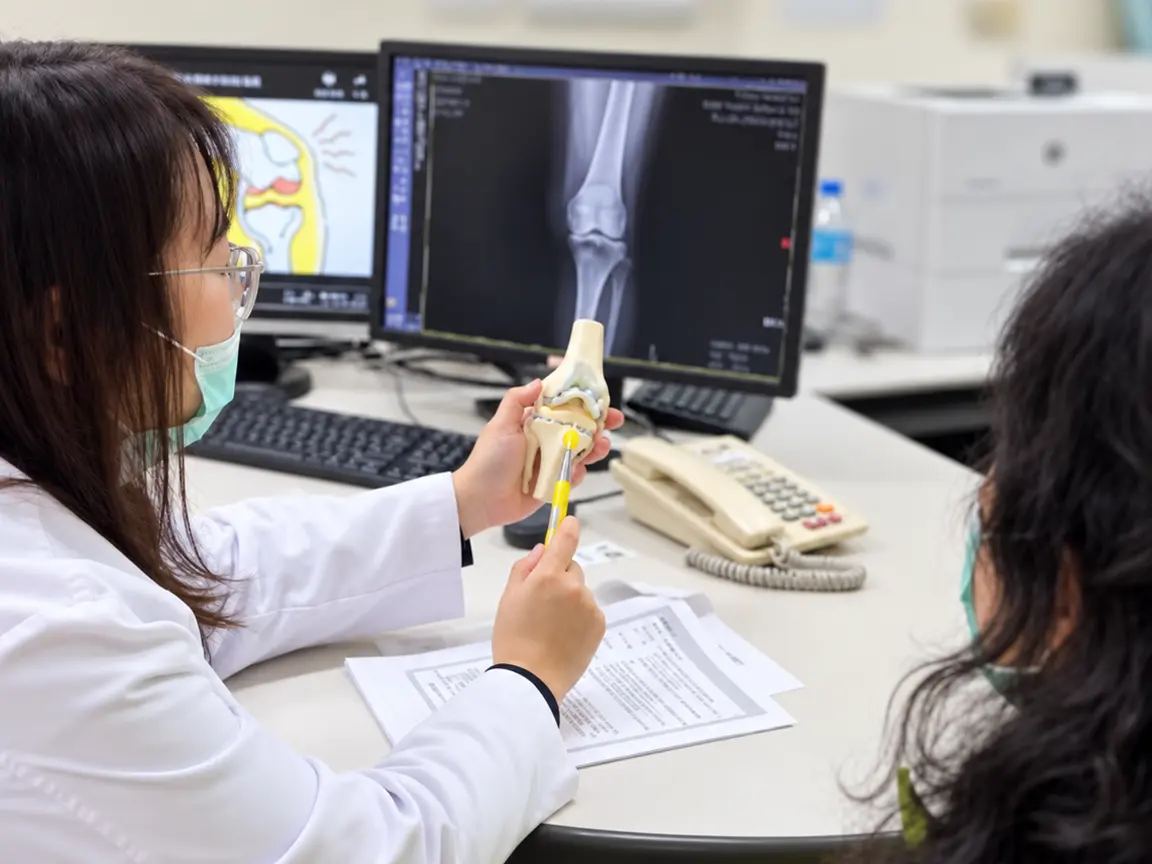
Patients with degenerative joint diseases, fractures, or other musculoskeletal disorders.
Patients undergoing hip or knee joint replacement surgery, with the goal of restoring function and improving quality of life.
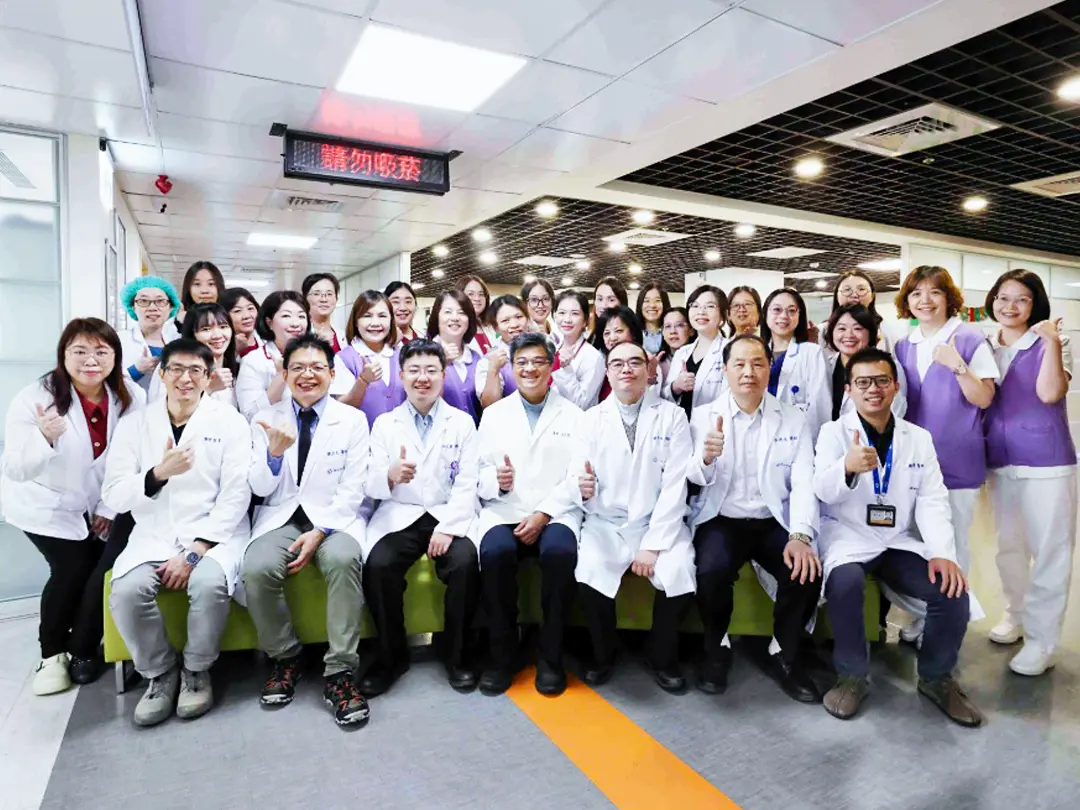
Our team is positioned as a benchmark joint reconstruction center in the Lanyang region, providing comprehensive and integrated joint care services that encompass joint replacement surgery, minimally invasive procedures, postoperative rehabilitation, and long-term follow-up.
The team continuously adopts advanced minimally invasive surgical techniques, computer-assisted navigation systems, and the Enhanced Recovery After Surgery (ERAS) care model. Through comprehensive preoperative assessment, precise intraoperative anesthesia management, and effective postoperative pain control and nutritional support, we aim to enhance surgical quality and optimize patient outcomes.
By integrating multidisciplinary expertise, we deliver patient-centered, holistic care to improve surgical precision, reduce postoperative complications, and shorten length of hospital stay, thereby further enhancing postoperative quality of life.
Postoperative rehabilitation is guided by a multidisciplinary team that develops individualized training programs to support safe restoration of mobility and prolong the longevity of joint prostheses.
In alignment with the hospital’s mission of advancing medical excellence, promoting health, and caring for the community, our team is committed to becoming a leading benchmark institution for joint replacement care in Eastern Taiwan.
Redesign of inpatient wards to establish an innovative care model in which postoperative functional recovery begins immediately, the ward serves as a rehabilitation environment, and daily care becomes an opportunity for functional training.
Implementation of comprehensive, continuous patient-centered care through the integration of the Enhanced Recovery After Surgery (ERAS) pathway, providing coordinated and integrated services across the perioperative period.
Initiation of immediate postoperative rehabilitation and ambulation within 24 hours, enabling patients to rapidly regain daily functional abilities, effectively reducing postoperative complications, shortening length of hospital stay, and ultimately improving postoperative quality of life and overall care outcomes.
A 59.4% increase in joint replacement surgery volume, reflecting strong public trust and service demand.
Full implementation of standardized care protocols, including Enhanced Recovery After Surgery (ERAS) and the Surgical Site Infection (SSI) Bundle.
A stable interdisciplinary communication framework, enabling simultaneous growth in case volume and quality of care.
The average length of hospital stay was reduced to 4.2 days for total knee arthroplasty (TKA) and 5.2 days for total hip arthroplasty (THA).
The WOMAC functional improvement rate was consistently maintained at 60.5%.
The mean WOMAC score improvement ranged from 27 to 33 points.
Postoperative day 1 pain scores (VAS) were significantly reduced by 42%.
The rate of ambulation within 24 hours after surgery reached 100%.
The completion rate of the SSI Bundle preventive checklist reached 93.3%.
The deep and superficial infection rates following revision joint arthroplasty remained at 0% for four consecutive years.
The unplanned revision rate within one year after surgery remained at 0%.
The 30-day unplanned readmission rate was significantly reduced from 2.3% to 0.7%.
The overall patient satisfaction score during hospitalization was over 90%.
Postoperative outpatient follow-up satisfaction remained at 92.9%.
Satisfaction with ERAS medical care reached 4.6 out of 5.
The outcomes of joint replacement ERAS were invited for presentation at an international forum.
Poster presentation at the Asia-Pacific ERAS International Annual Meeting.
Delivered a keynote lecture at the International ERAS Annual Meeting.
The first ERAS-based joint care program in Yilan, significantly optimizing length of hospital stay and pain management.
Established a localized integrated care process, enhancing postoperative safety and outcomes for elderly and rural patients.
Demonstrated evidence-based improvements in postoperative pain control and hospital stay duration.
Outcomes were invited for presentation at an international forum, showcasing the international exemplary value of interdisciplinary care.