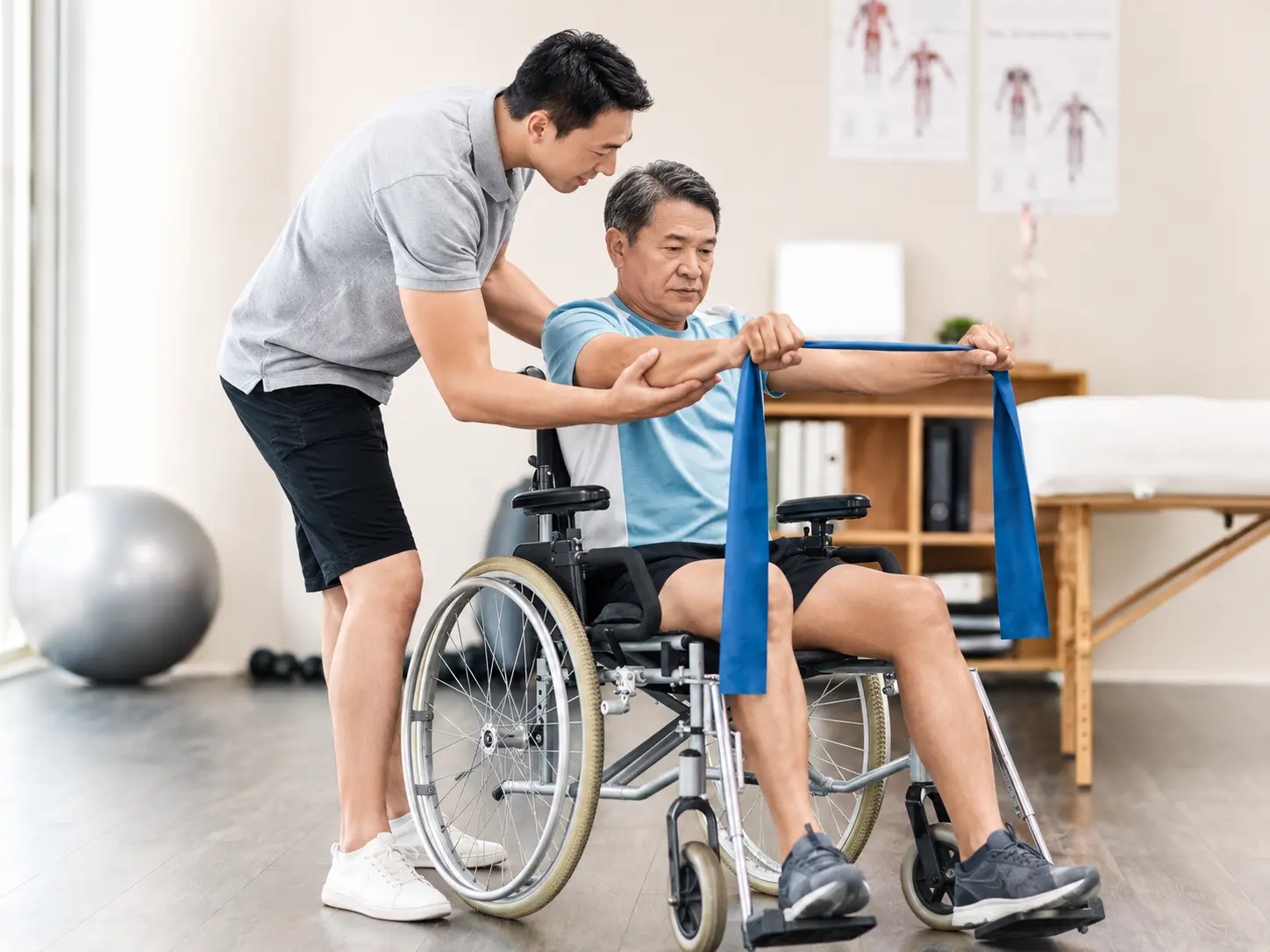
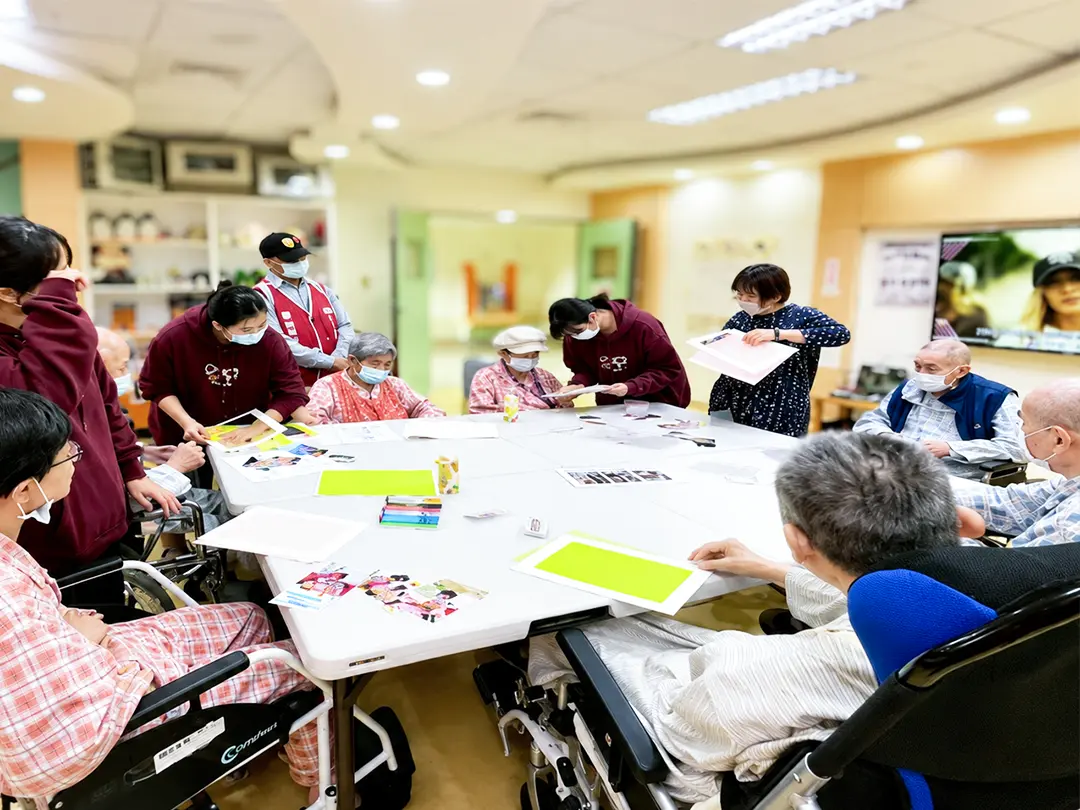
Institutional residents (older adults) and elderly individuals with care needs.
In December 2019, the COVID-19 pandemic outbreak posed a significant threat to residents of long-term care institutions, who were considered a high-risk population for infection. To prevent disease transmission, group recreational and rehabilitation activities were suspended. Prolonged confinement and reduced social interaction often led to anxiety, insecurity, and subsequent physical or psychological health problems among residents. Frailty does not wait. Faced with these challenges, we sought innovative approaches to continue providing diversified and life-oriented services for older adults. Through a variety of educational programs and activity-based interventions, we aimed to enhance cognitive function and functional skills while maintaining muscle strength, endurance, balance, and flexibility. Ultimately, these efforts helped older adults preserve their independence and improve their quality of life.
Multi-dimensional intervention approach: Utilizing multidisciplinary and multifaceted strategies, such as exercise programs, cognitive training, and nutritional interventions, to address and improve frailty.
Structured daily activity planning: Incorporating low-intensity, non-sweat-inducing “static” activities in the morning and more active “dynamic” exercise sessions in the afternoon.
Program design based on key principles: Ensuring safety, enjoyment, feasibility, gradual progression, and consideration of individual differences.
“Less-is-More Care” and “Reablement” approaches: Promoting independence and maximizing residents’ functional abilities through supportive rather than excessive caregiving.
Interdisciplinary teamwork and community resource integration: Strengthening collaboration among healthcare professionals and effectively utilizing community resources to support older adults.
•A total of 42 institutionalized older adults participated in the multi-dimensional intervention program.
•Participation rate: 30%
•Program duration: January 2020 – Present
•Upper and lower limb resistance training (3 sessions/week)
2020: 154 sessions (n=4,595 attendances)
2021: 154 sessions (n=4,602 attendances)
2022: 75 sessions (n=2,241 attendances)(Jan–Jun)
•Individualized training (1 session/week):
2020: 51 sessions / 746 participant-attendances
2021: 51 sessions / 755 participant-attendances
2022: 24 sessions / 235 participant-attendances(Jan–Jun)
•Low-intensity (“non-sweat”) exercise (5 sessions/week):
2020: 51 sessions / 522 participant-attendances
2021: 51 sessions / 518 participant-attendances
2022: 24 sessions / 238 participant-attendances(Jan–Jun)
•Joint mobility exercises (1 session/week):
2020: 51 sessions / 482 participant-attendances
2021: 51 sessions / 497 participant-attendances
2022: 24 sessions / 220 participant-attendances(Jan–Jun)
•Independent living training (1 session/week):
2020: 51 sessions / 497 participant-attendances
2021: 51 sessions / 501 participant-attendances
2022: 24 sessions / 222 participant-attendances(Jan–Jun)
•Horticultural activities (1 session/week):
2020: 51 sessions / 508 participant-attendances
2021: 51 sessions / 495 participant-attendances
2022: 24 sessions / 215 participant-attendances(Jan–Jun)
Self-care ability (Barthel Index): Pre-test: 50 ± 8.2; Post-test: 65 ± 13.6; Improvement rate: 30%
Handgrip strength (Grip Strength Test): Pre-test: 22 ± 5.6; Post-test: 23.2 ± 5.8; Improvement rate: 24.2%
Frailty status (SOF Frailty Assessment): Pre-test: 1 ± 0.4; Post-test: 0 ± 0.4; Improvement rate: 50%
Emotional distress level (Emotional Behavior Observation Scale): Pre-test: 5.3 ± 2.5; Post-test: 2.0 ± 1.4; Improvement rate: 62.3%
Caregiver and family satisfaction are continuously monitored and evaluated.
ISO 9001