Mental illness patients
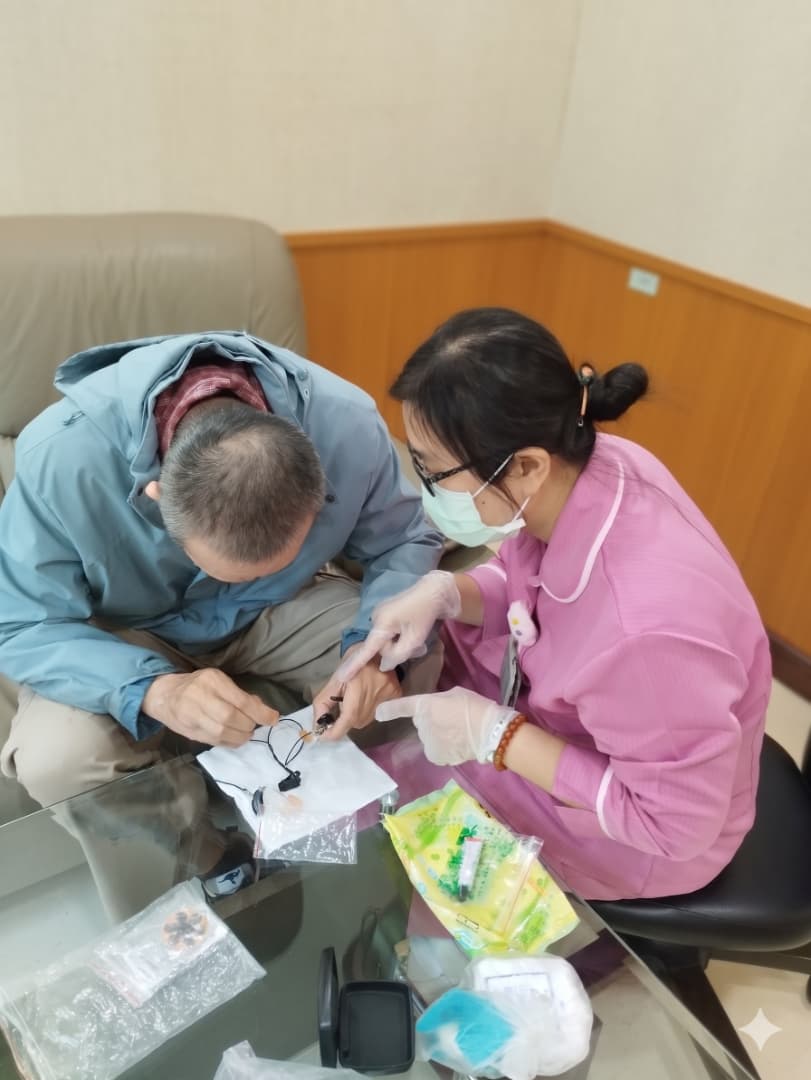
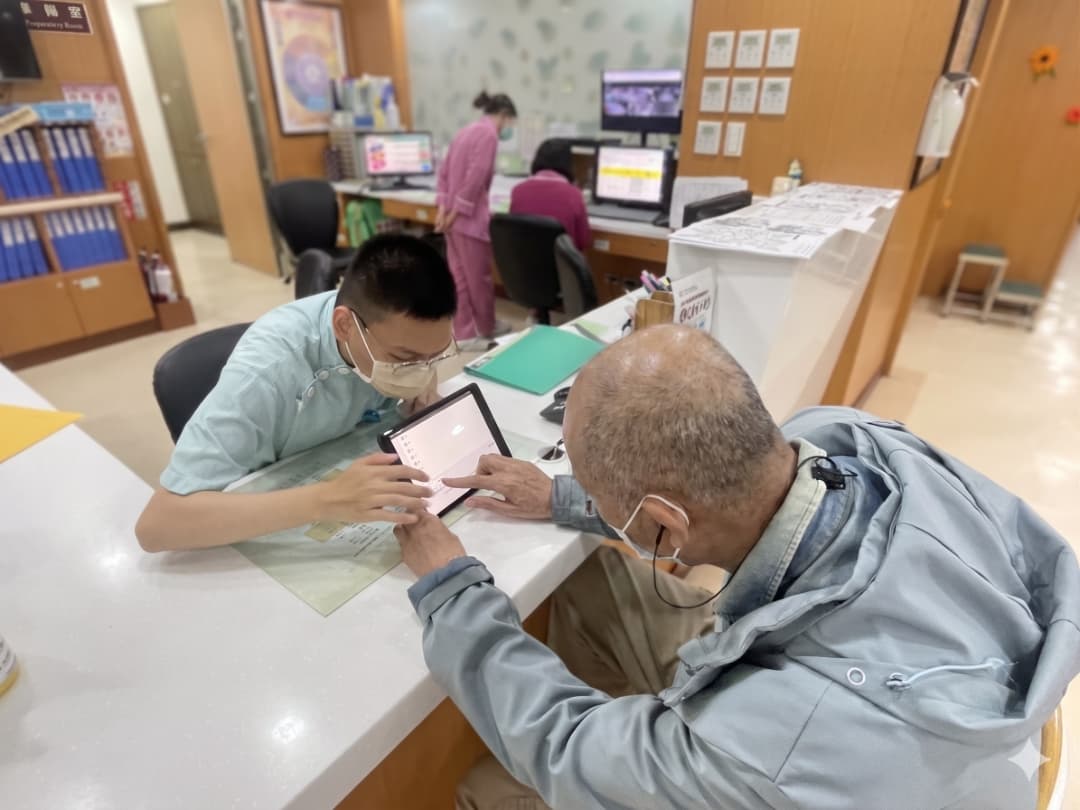
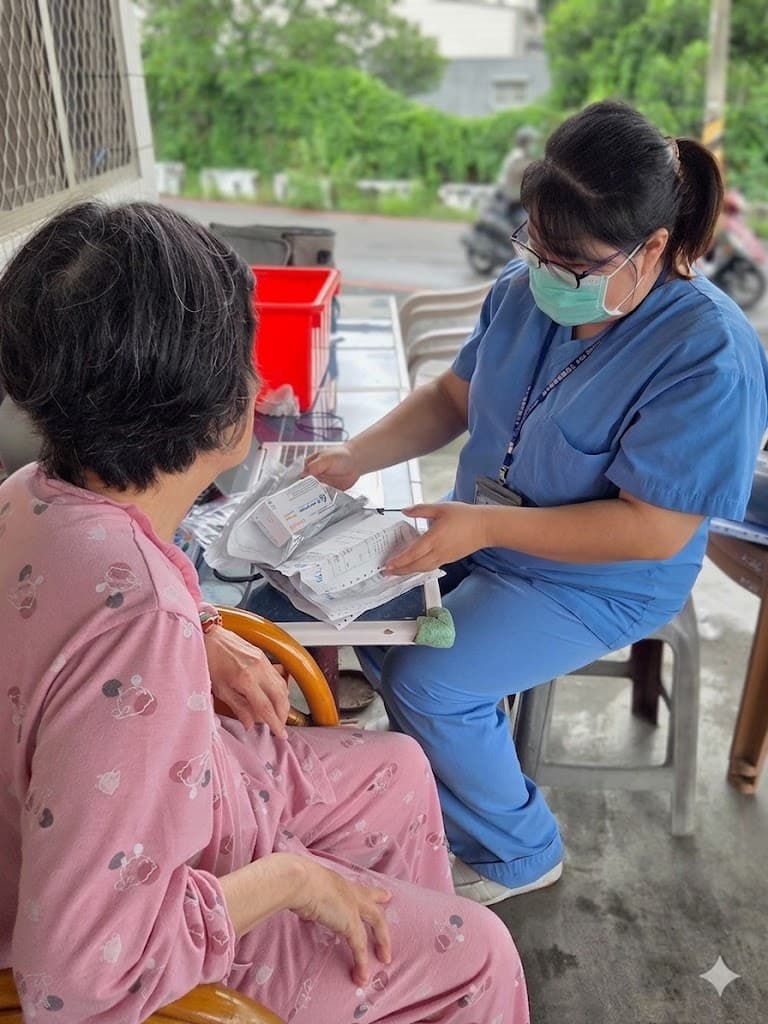
Addressing the existing challenges of gaps in care and weak support systems in the psychiatric healthcare sector, our hospital has launched the "Safeguarding Care Network" project. This project aims to establish a continuous support system centered on holistic care and seamless transitions. It integrates four major areas: acute care wards, day care wards, outpatient services, and home-based treatment. By implementing electronic whiteboards, TDQ intelligent screening, and a case management platform, it strengthens risk identification and eliminates information gaps.
The team has developed standardized nursing procedures and cross-departmental care guidelines to ensure consistent care and continuous support for patients from admission to community reintegration. This initiative utilizes information systems to connect assessment and tracking data, optimizes cross-team collaboration mechanisms, effectively enhances patients' social adaptability and self-management abilities, and implements patient-centered, seamless care.
Promote "holistic continuous care," connecting acute hospitalization, day wards, outpatient services, and home treatment.
Implement "Clinical Care Guidelines for Depression" and comprehensive suicide risk screening (TDQ scale).
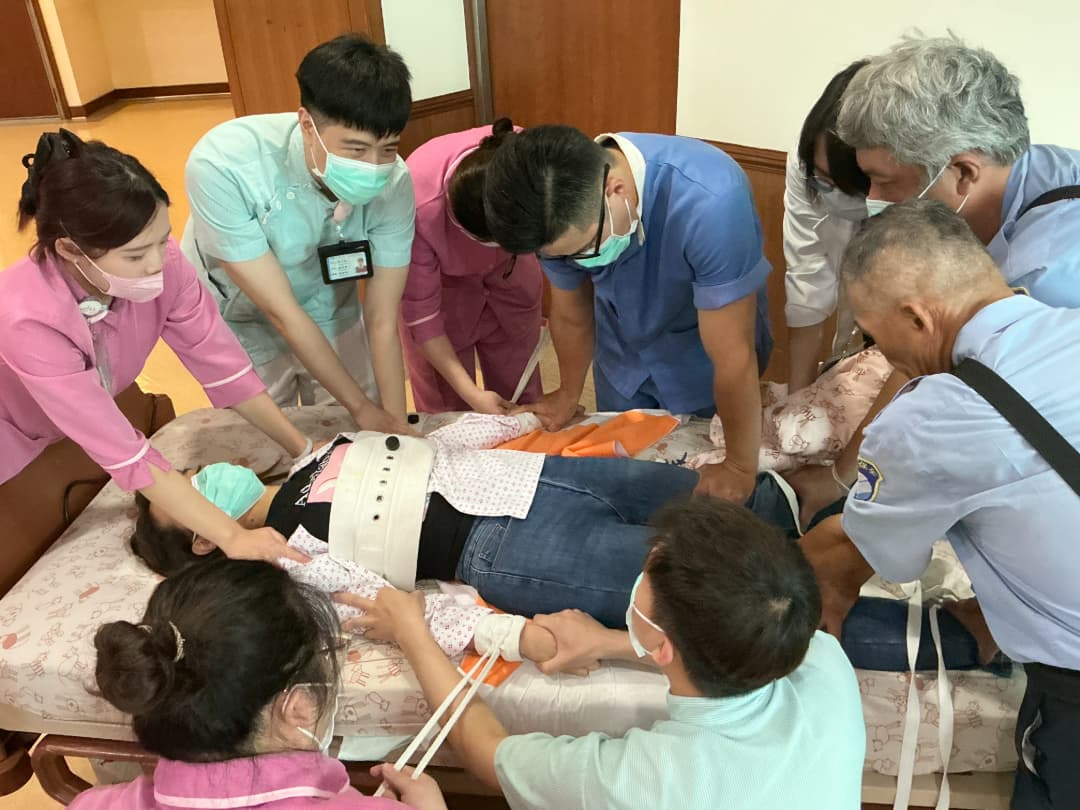
Seamless discharge preparation and follow-up, strengthening cross-team (medical, nursing, social, psychological, and occupational) collaboration.
Annual Service Volume Indicators (Average over the Past Five Years)
The occupancy rate of acute care wards has remained stable at over 90%.
The occupancy rate of day care wards has reached over 93%, and is expected to reach 100% occupancy by 2026.
The number of outpatient visits has remained stable at over 2,300 per year.
Nmber of home-based psychiatric treatment visits: 1,142 visits.
The rate of clinical pathway planning reached 100%.
The proportion of mandatory hospitalization services in Kaohsiung City remained the highest, at 42.7% to 46.0%.
The average length of hospital stay for patients with depression was 31.8 days in 2021, 27.9 days in 2022, 27.2 days in 2023, and 27 days in 2024, a decrease of 4.6 days overall.
Readmission rates for high-risk diagnosed cases were tracked. Through individual management mechanisms and crisis early warning systems, the readmission rate within 14 days was reduced to 0‰.
Psychiatric nursing quality and effectiveness indicators: 90%
Hospital director's mailbox satisfaction rate: 95%
Post-discharge community resource participation rate increased from 41% to 65%
International Achievements in the Past 4 Years:
Published 3 SCI international journal papers
Published 2 non-SCI international journal papers
Published findings with the International Council of Nursing (ICN)
Readmission rate better than the OECD international average
Implemented the WHO integrated care model
Improved Medical Quality: The 14-day readmission rate dropped to 0‰, surpassing OECD and domestic medical center standards.
Established Care Standards: A digital "Nursing Network" and "Clinical Care Guidelines for Depression" were established, implementing standardized crisis management and hospital-wide depression screening.
Patient Care Benefits: Patient cognition and depression indices significantly improved; community resource participation increased to 65%; and satisfaction exceeded 90%.