Patients with chronic kidney disease
Patients undergoing long-term dialysis (including patients undergoing peritoneal and hemodialysis)
We investigates the effects of environmental pollutants and toxins on hematopoietic responses, aiming to determine the optimal dosage and testing frequency for hematopoietic hormone administration. It also analyzes the impact of water and air pollution on patients and develops corresponding treatment methods.
Introduce high-permeability artificial kidney technology to dialysis patients and combine it with water quality testing and clinical serum sample analysis to assess the impact of permanent pollutants (perfluorocarbons, PFAS) on kidney health.
Develop an activated carbon adsorbent that can effectively remove environmental pollutants (such as acrolein) while simultaneously enhancing its benefits in improving anemia and protecting kidney function.
During the COVID-19 pandemic, propose a traffic flow control model for dialysis facilities without mobile reverse osmosis (RO) water production to learn from.
From 2022 to 2025, 90% of patients had a hematocrit of 26% or higher (higher than the society's standard of 85%).
From 2022 to 2025, an average of 95% of hemodialysis patients had a clearance rate >65% (higher than the society's standard of 90%), and 100% had a peritoneal Kt/V >1.7 (higher than the society's standard of 70%).
From 2022 to 2025, 90% of dialysis patients had serum albumin >3.5 g/dL (higher than the society's standard of 70%).
95% of the artificial kidneys used are high-permeability (compared to only about 59% nationwide).
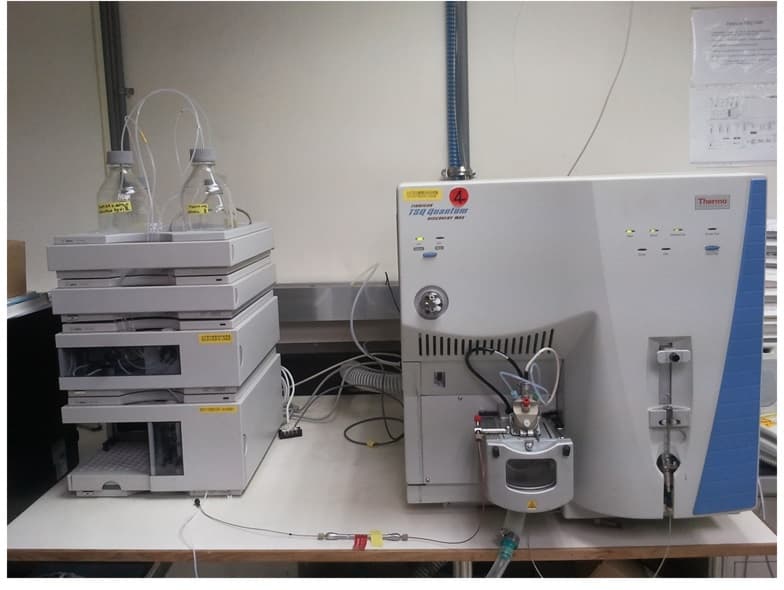
The first hospital in Taiwan to use high-performance liquid chromatography combined with mass spectrometry to detect permanent pollutants (PFAS) in water and patient serum.
The only CKD health promotion institution in Datong District (2025 Bronze Medal Award).
Significant improvements were achieved in patient safety issues (such as reducing re-puncture rates, reducing needle slippage, and conducting QCC (Quality Control Circle) discussions).
Successfully passed the 2023 dialysis facility accreditation and the 2025 teaching hospital accreditation.
During the COVID-19 pandemic, as the designated hospital responsible for dialysis of positive cases, there were no in-hospital cross-infections between patients and medical staff in the first year (2022), and no medical staff resigned.
Patient satisfaction rate: 99% over 110-114 years (average).
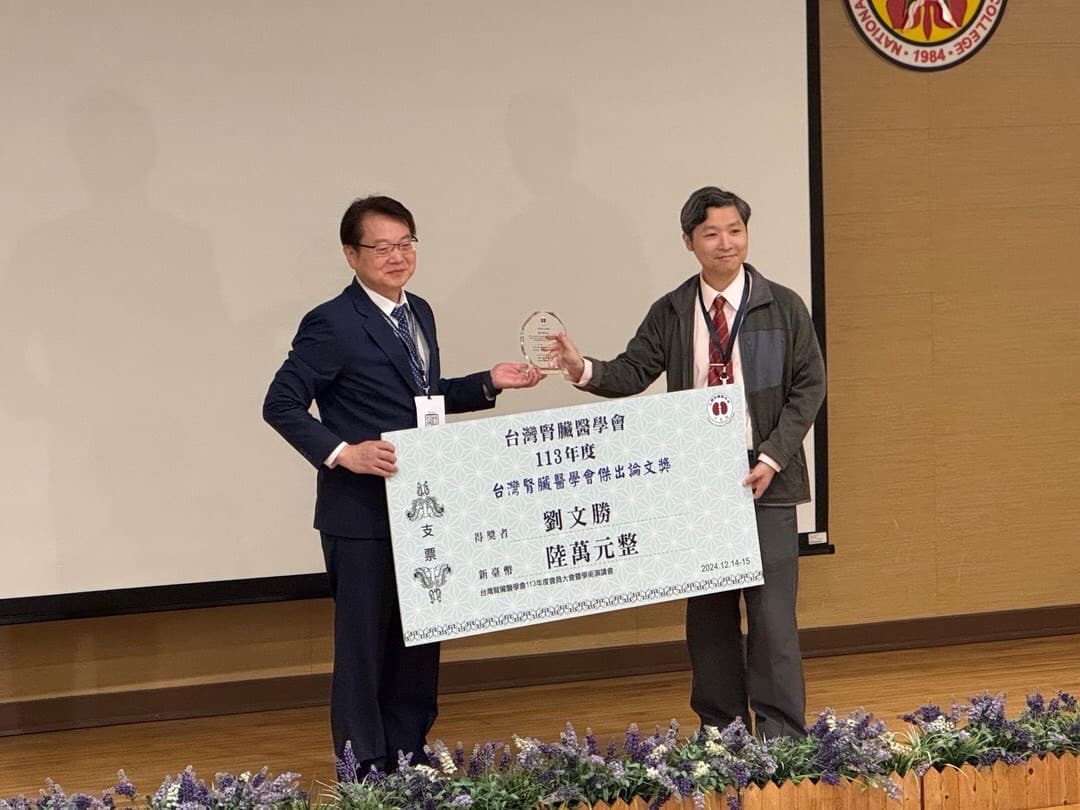
Published over ten SCI papers, receiving recognition as an outstanding paper from the 2024 Taiwan Society of Nephrology.
Applied for patents in Taiwan and the United States for the detection of acrolein, a toxin.
Promoted university-industry collaboration (with collaborations with Yangming University and National Taiwan University) and is in talks with INUSpheresis®, a US company, for further cooperation.
We established a multi-level risk assessment model for kidney disease patients by integrating clinical, toxicological, and environmental perspectives.
We also established an integrated care model based on a dual strategy of "blood circulation improvement × detoxification" to improve the overall metabolic status of CKD patients.
We will integrate a vertical research chain encompassing "clinical evidence—basic mechanisms—public health."