Active military aircrew across all branches
Military flight students and candidates
Corneal refractive surgery project subjects
Personnel requiring aeromedical assessment
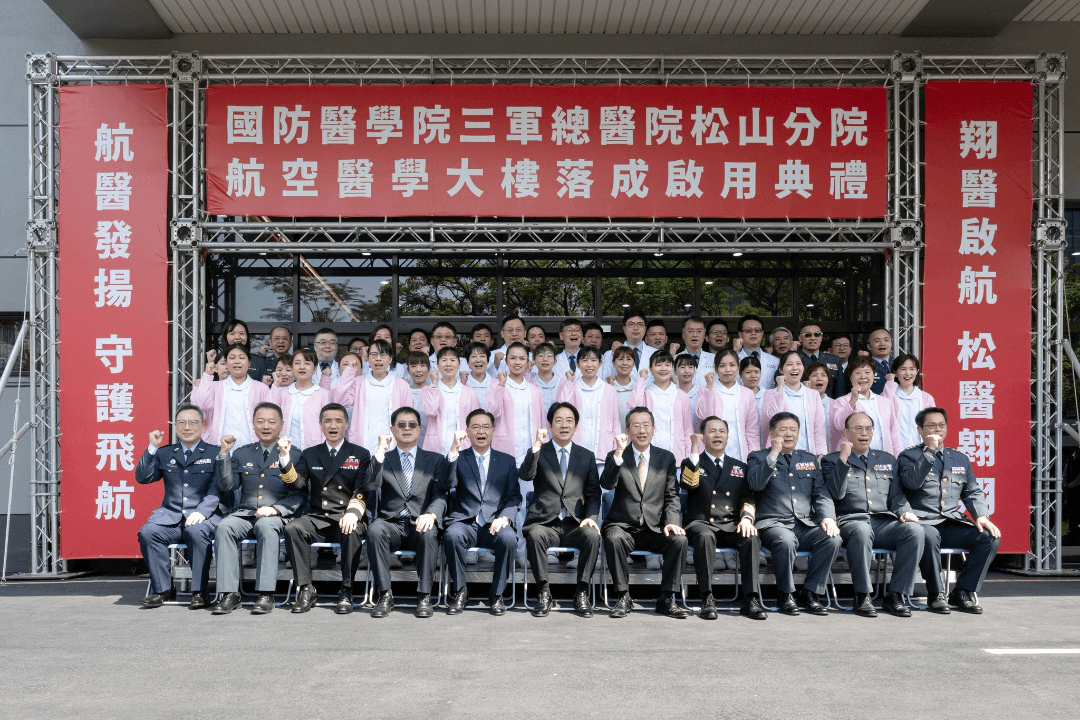
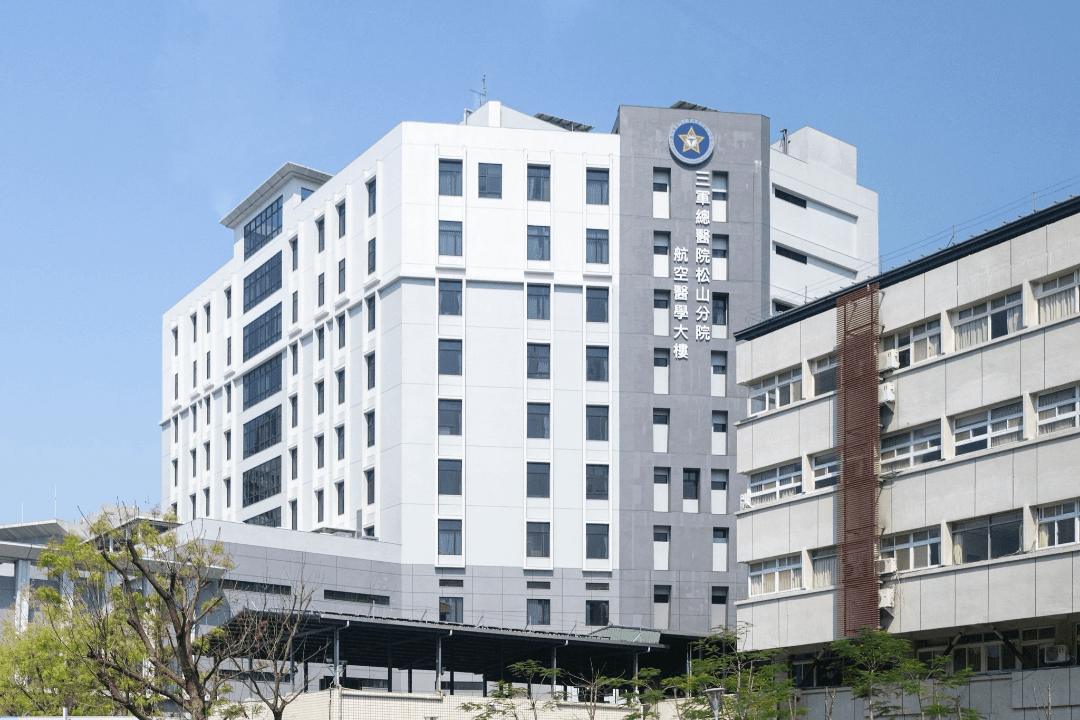
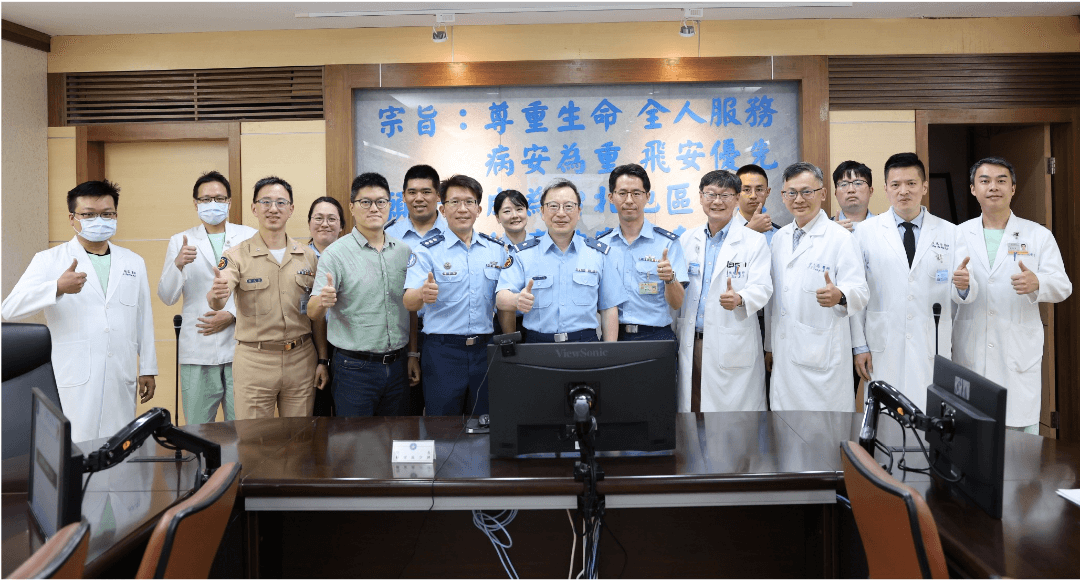
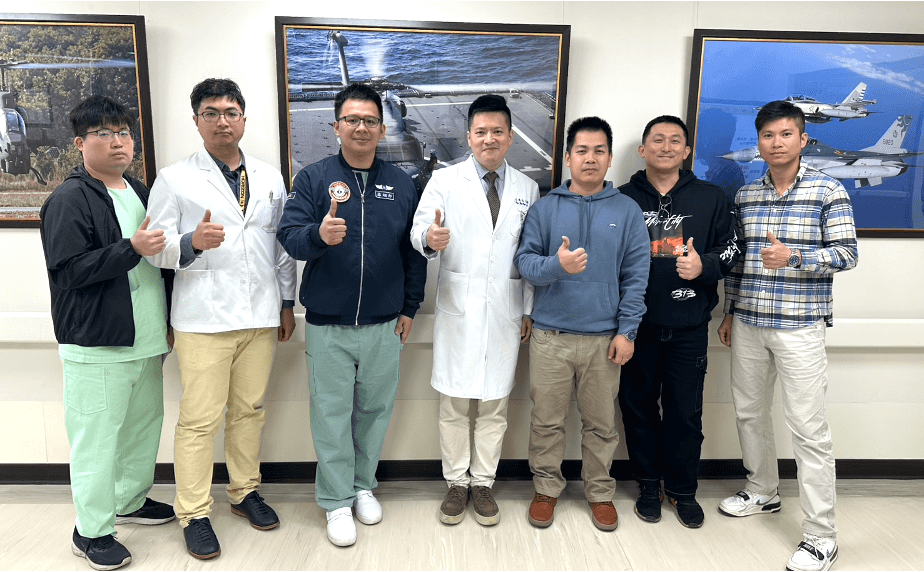
The Aeromedical Team of TSGH Songshan Branch, tracing its roots back to the "4th Air Force Hospital" in 1945, is the only military unit dedicated to aeromedical certification and research. Our modern Aeromedical Building integrates AI-driven healthcare and equipment worth TWD 200 million to provide standardized, one-stop services. Entrusted with physical exams and fitness-for-duty evaluations for all military aircrew, our mission is "Flight Safety First, Patient Safety Priority." Through the "Multi-disciplinary Aeromedical Assessment Committee" and a robust Return-to-Fly (RTF) tracking program, we facilitate pilots' return to their posts while maintaining combat readiness. By aligning with USAF and ICAO standards, we establish an evidence-based health management system, serving as the critical first line of defense for national airpower.
Sole unit for military aeromedical exams.
One-stop service with integrated high-end equipment.
Multi-disciplinary committee for expert Return-to-Fly (RTF) decisions.
Comprehensive post-illness follow-up mechanisms.
AI-assisted precision diagnostics in medicine.
Alignment with USAF and ICAO global standards
Over 300 aircrew exams annually
Over 200 aeromedical certifications yearly
100% annual execution rate for exams
30% improvement in exam workflow efficiency
Certification pass rate maintained over 90%
99% achieved 1.0 vision post-surgery
Reduced average case processing time
Steady increase in pilot Return-to-Fly (RTF) success rate
Zero major medical errors in 3 years
100% equipment calibration/QC pass rate
0% patient identification error rate
Zero flight accidents due to misdiagnosis
Overall service satisfaction reached 95%
98% satisfaction with medical expertise
97% satisfaction with workflow and facility
100% recommendation from aircrew units
Alignment with USAF and ICAO standards
Regular participation in AsMA conferences
Personnel trained in US advanced programs
Built a defense line against human factors.
Helped pilots overcome trauma to return to fly.
Led the digitization of aeromedical exams.
Created a risk database for aircrew health.
Enhanced regional aeromedical assessment skills.
Solidified the health foundation of airpower.