Patients with active tuberculosis and LTBI
Populations at high risk for tuberculosis (including correctional facilities, Indigenous communities, and residents of long-term care institutions)
This project aims to enhance early detection and treatment completion of tuberculosis (TB) in the Pingtung region by integrating the expertise of the Pulmonary Medicine Department, Radiology, case managers, and advanced health information systems. A comprehensive TB prevention and control network has been established, encompassing community settings, Indigenous areas, correctional facilities, and long-term care institutions. Through mobile chest X-ray screening, latent tuberculosis infection (LTBI) testing, and preventive therapy, high-risk populations are proactively identified to reduce the risk of cluster outbreaks and community transmission. In parallel, intelligent notification and automated follow-up systems ensure timely reporting and uninterrupted management of suspected and confirmed cases. By strengthening cross-sector collaboration and implementing localized, patient-centered care models, this program improves treatment adherence and completion rates, effectively achieving the public health goals of early detection, early intervention, and continuous care, while serving as a model for comprehensive TB control.
Establishment of a comprehensive tuberculosis prevention and control network, expanding TB control services through on-site involvement of pulmonary specialists to ensure timely diagnosis and continuous care.
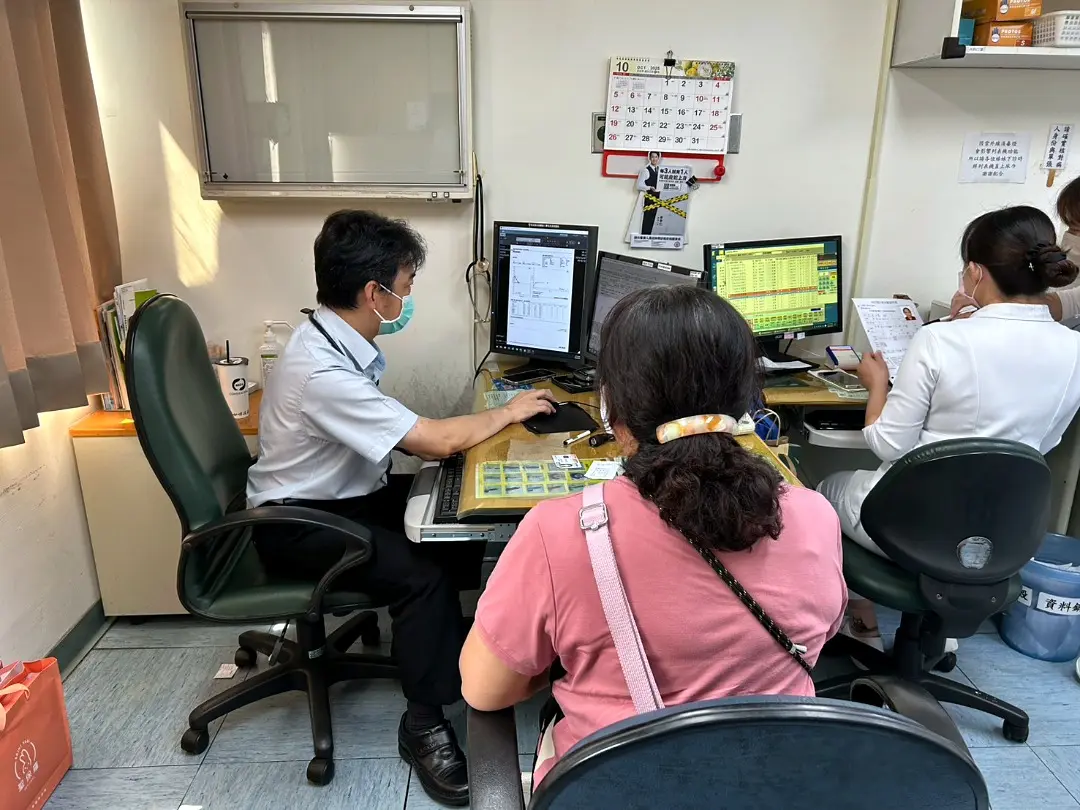
Implementation of precision screening and notification systems, in collaboration with professional radiology teams, to enhance the accuracy of TB imaging reports and ensure that no TB case information is missed.
Collaboration with governmental agencies to provide preventive treatment for latent tuberculosis infection among high-risk populations, enabling early detection and early intervention.
Development of intelligent, integrated management systems, including automated X-ray screening reminders and order placement for Indigenous populations, automatic Xpert testing triggered by abnormal chest radiographs, case management platforms, and medication safety alerts for hepatic and renal function, thereby strengthening patient follow-up and improving the overall quality of tuberculosis care.
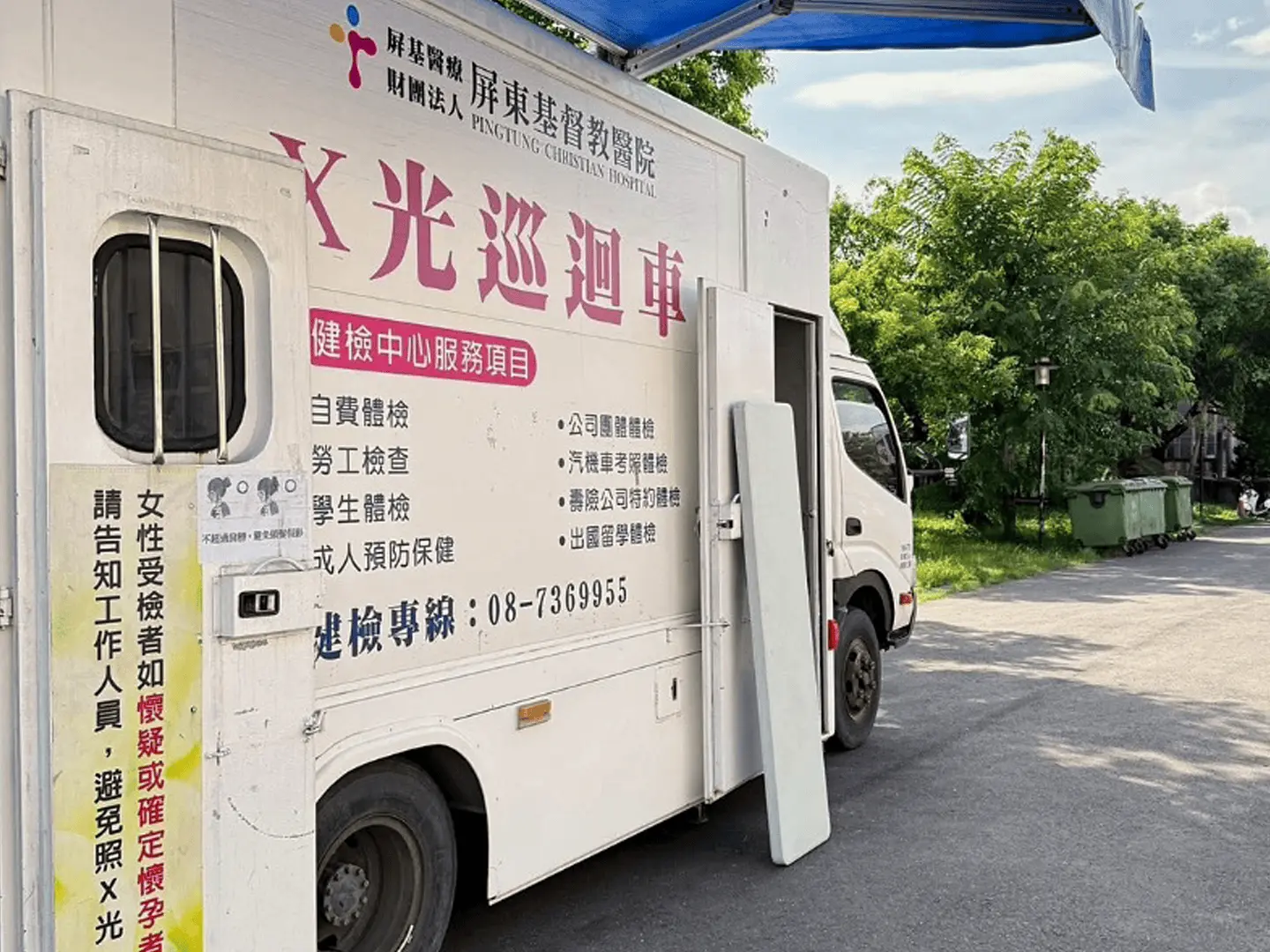
Volume of chest X-ray screening in Indigenous communities: From 2023 to 2025, a total of 6,163 individuals were screened, with annual outreach to 22–24 Indigenous health stations and community sites.
Number of chest X-ray screenings among registered Indigenous residents: Over the past three years, the numbers were 906, 1,075, and 1,716 individuals, respectively.
Number of reported tuberculosis cases: Over the past three years, 88, 102, and 126 cases were reported, respectively, making our hospital the institution with the highest TB case notifications in Pingtung County.
Execution rate of the tuberculosis screening network: 100% over the past three years.
Execution rate of the precision screening and notification system: 100% over the past three years.
Execution rate of preventive treatment for latent tuberculosis infection (LTBI): 100% over the past three years.
Execution rate of the Indigenous chest X-ray intelligent reminder and automated order entry system: 100% over the past three years.
Execution rate of the automatic Xpert testing system triggered by abnormal chest X-ray findings: 100% over the past three years.
Execution rate of the intelligent TB medication dosing and adjustment system based on hepatic and renal function: 100% over the past three years.
TB case enrollment and care coverage rates: Both maintained at 100% over the past three years.
TB treatment success (cure) rates: 82%, 69%, and 81% over the past three years, respectively.
LTBI treatment completion rate at Pingtung Correctional Prison: 77% and 76% over the past two years, respectively.
LTBI treatment completion rate at the Pingtung Detention Center: 85% and 91% over the past two years, respectively.
TB medication assessment rate: 100% over the past three years.
Clinical follow-up rate for TB cases: 100% over the past three years.
Notification rate of confirmed TB cases: 100% over the past three years.
Accuracy rate of chest X-ray report interpretation for TB: 100% over the past three years.
Accuracy rate of the Indigenous chest X-ray screening reminder system: 100% over the past three years.
Accuracy rate of automatic Xpert test ordering triggered by abnormal chest X-ray findings: 100% over the past three years.
AFS smear examination rate: 94%, 94%, and 92% over the past three years, respectively.
Three-specimen sputum examination rate: 84%, 84%, and 86% over the past three years, respectively.
Three-specimen sputum examination completion rate among confirmed TB cases: 87%, 88%, and 91% over the past three years, respectively.
AFS smear positivity rate among confirmed TB cases: 37%, 41%, and 42% over the past three years, respectively.
Inpatient care satisfaction: Overall satisfaction rates over the past three years were 85.4%, 91.9%, and 88.4%, respectively.
Satisfaction with tuberculosis case management services: The satisfaction rate among TB case-managed patients reached 100%. The primary reason TB patients chose to receive care at our hospital was the high quality of service attitude.
The tuberculosis treatment success rate at our institution exceeds the national average in Taiwan.
The completion rate of preventive treatment for latent tuberculosis infection in correctional facilities is higher than that of other correctional institutions nationwide.
Our tuberculosis screening and notification practice mandates reporting of all Xpert-positive cases, a policy implemented earlier than the official announcement by the Taiwan Centers for Disease Control.
Establishment of a cross-departmental tuberculosis prevention and control network, integrating resources to improve care efficiency and ensure the sustainable use of medical resources.
Implementation of innovative automated systems to enhance early detection and optimize the accuracy and timeliness of anti-tuberculosis pharmacotherapy.
Improvement of screening coverage among Indigenous populations and other high-risk groups, shortening the average response time for abnormal cases and achieving seamless continuity of care.
Development of scalable systems and integrated workflows that can be extended to the inter-institutional management of other chronic infectious diseases, thereby strengthening public health system resilience.