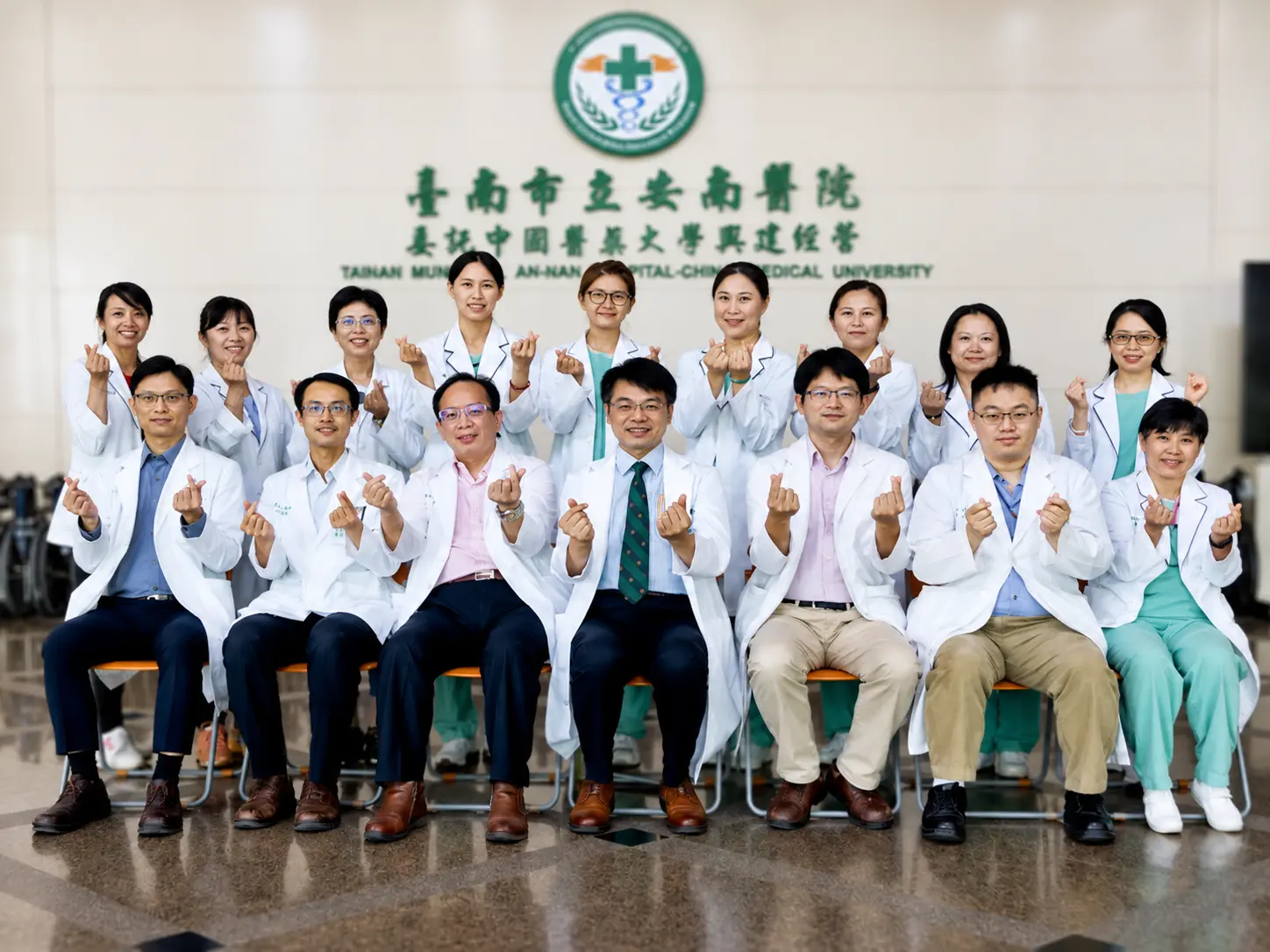
We treat H. pylori (including resistant/failed cases), peptic ulcers, high gastric cancer risk, and complex domestic/international referrals requiring tailored therapy.
Helicobacter pylori (H. pylori) infection is a major pathogenic factor for peptic ulcers, gastric cancer, and gastric lymphoma. With the rising prevalence of bacterial resistance, the eradication rate of traditional standard triple therapy has significantly declined. The Division of Gastroenterology at Tainan Municipal An-Nan Hospital has a long-standing commitment to the clinical care and research of H. pylori. By establishing an interdisciplinary team and collaborating with the Taiwan Acid-Related Disease and Microbiota Consortium (TARD-M), the department continuously develops innovative treatment strategies. Our center has pioneered the development of: Hybrid Therapy Reverse Hybrid Therapy Tetracycline-Levofloxacin Quadruple Therapy Resistance-Guided Customized Therapy BAP (Bismuth-Amoxicillin-PCAB) Single-Antibiotic Therapy Notably, the BAP mini-pack regimen utilizes only a single antibiotic (Amoxicillin) yet achieves an eradication rate of nearly 98%. By balancing high efficacy, low side effects, antibiotic stewardship, and environmental sustainability, it is now regarded as a crucial new direction for global H. pylori treatment.
World-Leading Single-Antibiotic Therapy Innovative development of the BAP (Bismuth-Amoxicillin-PCAB) regimen: Utilizes only a single antibiotic Achieves an eradication rate of up to 98% Presents fewer side effects compared to traditional therapies Reduces the risk of developing antibiotic-resistant bacteria Aligns with ESG (Environmental, Social, and Governance) principles and sustainable healthcare
Leading the Development of International Treatment Guidelines The strategies developed by our team have been cited and recommended by prestigious international journals (including NEJM and The Lancet) and multinational consensus reports. These include: Hybrid Therapy Reverse Hybrid Therapy BAP Single-Antibiotic Mini-Pack Regimen
Personalized Precision Medicine We formulate tailored eradication prescriptions to improve the success rate for refractory infections through: Bacterial culture Antibiotic resistance analysis CYP2C19 genetic testing
"Eradication Angel" Care Model We assign dedicated case managers to provide comprehensive patient support: Medication education Side-effect tracking Telephone consultation services Enhancement of patient compliance
National Referral Center We serve as a crucial referral and treatment hub in Taiwan for: Refractory H. pylori infections Antibiotic-resistant H. pylori infections
>1,369 patients treated
Bismuth quadruple: 154 cases 94%
Concomitant therapy: 124 cases 94%
Medication completion 97.2%
503 patients chose hybrid across 3 hospitals
TARD-M Consortium across 4 medical centers
BAP single-antibiotic therapy: Approx. 98% Hybrid therapy: Approx. 93% Reverse hybrid therapy: Approx. 94% Tetracycline-levofloxacin quadruple therapy: Approx. 93%
Lower adverse events than triple therapy
97.2% medication completion
Hotline for adverse event management
Resistance testing for drug selection
CYP2C19 genotyping for dosing
Pathology rapid IHC for tough cases
Satisfaction with health education on eradication: 94% Satisfaction with medication counseling: 96% Satisfaction with service attitude: 95%
Incorporated into treatment guidelines in Taiwan, Korea, the Asia-Pacific region, and the United States.
Recommended therapy in NEJM (Impact Factor: 78.5).
Recommended therapy in The Lancet (Impact Factor: 88.5).
The only regimen from Asia to be recommended by NEJM. Invited to speak at major international conferences, including ACG, APDW, and ESPGHAN. Authored specialized chapters for international medical textbooks.
Patient Benefits Improve eradication success rates Reduce treatment failures Lower the risk of gastric cancer Minimize the occurrence of side effects Healthcare Benefits Establish a precision medicine model Enhance treatment quality Reduce the need for repeated treatments Social Benefits Reduce antibiotic resistance Promote antibiotic stewardship Establish international treatment benchmarks Sustainability Benefits (BAP Single-Antibiotic Therapy) Reduce unnecessary antibiotic use Decrease environmental antibiotic pollution Lower the healthcare carbon footprint Promote the development of ESG and sustainable healthcare