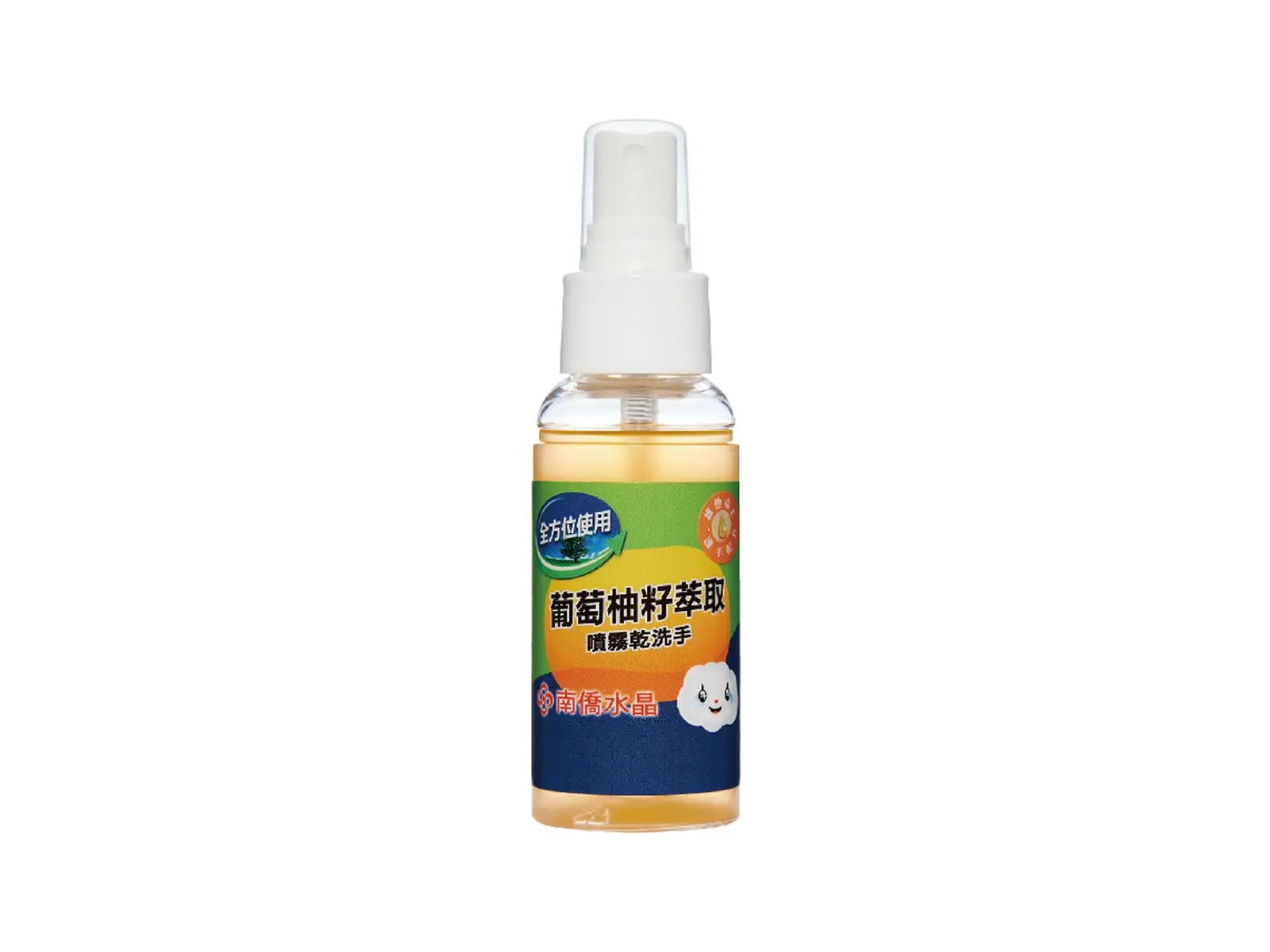
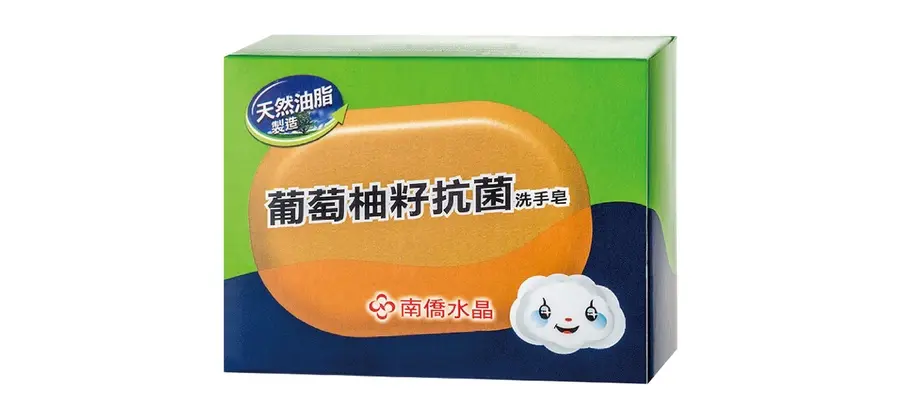
Namchow Crystal Grapefruit Mist Hand Sanitizer is designed for everyday hand cleansing needs. Its spray format makes it easy to use, quick-drying, and convenient, allowing users to clean their hands without rinsing with water. Infused with a refreshing grapefruit scent, it leaves hands with a light fruity fragrance while reducing the sharp odor often associated with hand sanitizers, enhancing the overall user experience. Compact and portable, it is suitable for use during commuting, at work, before and after meals, or after touching public facilities. With a simple spray, it helps maintain hand cleanliness and provides a convenient and reassuring hygiene solution for daily life.
Ethanol, Glycerin, Grapefruit Seed Extract, Grapefruit Fragrance, Vitamin E.
Grapefruit Seed Extract
In accordance with the requirements of ISO 9001:2015 Quality Management Systems and ISO 22716 Cosmetics Good Manufacturing Practices (Cosmetics GMP), a comprehensive quality control system has been established. The system covers Incoming Quality Control (IQC), In-Process Quality Control (IPQC), Final Quality Control (FQC), and Outgoing Quality Control (OQC) to ensure consistent product quality. Through data-driven management, the company continuously enhances product quality and production efficiency.
1. Incoming Quality Control (IQC) Key Performance Indicators (KPIs):
• Incoming Material Acceptance Rate
• Number of Supplier Nonconformities
• Supplier Performance Evaluation Score
2. In-Process Quality Control (IPQC) Key Performance Indicators (KPIs):
• Process Defect Rate
• Number of Process Abnormalities
3. Final Quality Control (FQC) Key Performance Indicators (KPIs):
• Finished Product Acceptance Rate
4. Data-Driven Quality Management and Continuous Improvement In addition, the company adopts the PDCA (Plan–Do–Check–Act) continuous improvement cycle as the foundation for ongoing quality enhancement. Quality performance indicators are reviewed regularly to drive continual improvement in both product quality and operational effectiveness.
taphylococcus aureus、Escherichia coli、Pseudomonas aeruginosa、Candida albicans、Methanol.
1. Incoming Quality Control (IQC): The ERP system and Quality Management System (QMS) are used to record quality inspection results and yield data for each batch of raw materials. These records serve as the basis for supplier management, quality analysis, and continuous improvement.
2. In-Process Quality Control (IPQC) : In the event of any abnormality, an established nonconformance handling procedure is immediately initiated, including production stoppage for inspection, identification and segregation of nonconforming products, root cause investigation, and implementation of corrective actions. All related records are maintained as a basis for future improvement.
3. Final Quality Control (FQC) : Prior to shipment, product batch numbers, quantities, and shipping information are verified through the ERP system.
4. Post-Market Risk Control Mechanism: A product recall management system is established. Appropriate recall procedures are initiated according to the severity and scope of the incident to ensure that affected products can be promptly and effectively recalled from the market and customers. This helps reduce product risks and prevent secondary adverse impacts.